




MUSCAT: Schools and colleges need to pay more attention to STEM (Science, Technology, Engineering and Mathematics) education as more than 95 per cent of the future jobs would be driven by AI, Augmented Reality (AR), Virtual Reality (VR), Robotics and Computer Simulations or else the future generation will be left out, says Dr (Hon) M R K Menon, a pioneer in STEM Education and a celebrated STEM Educator, and an Isro-registered space tutor.
Highlighting global trends, he emphasised the need for schools and colleges to focus on essential 21st-century skills such as Creativity, Collaboration, Critical Thinking, and Communication in a world where the children’s interest for science among students is waning globally.
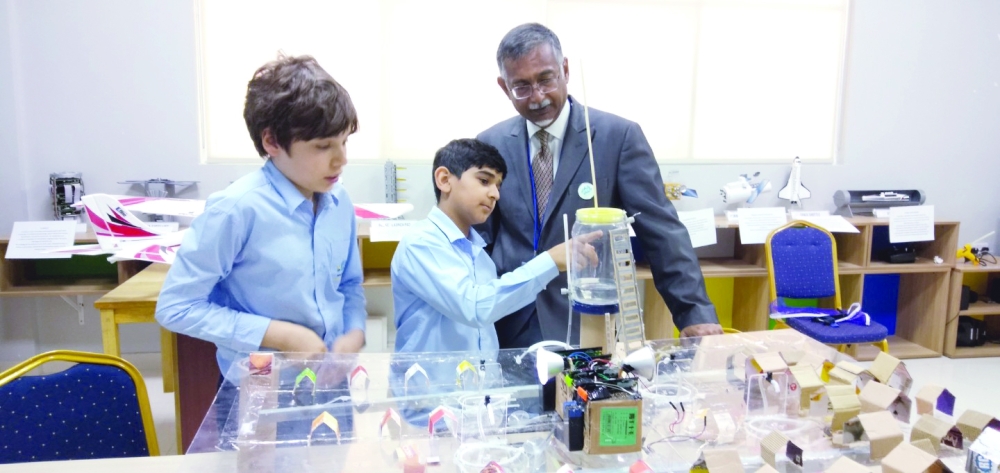
During his brief visit to Oman recently, he stressed the need to transform science education into an engaging experience by improving laboratory facilities, enhancing teacher training, and fostering stronger ties between industry and schools
“We don’t know what the major job roles will be five to ten years from now, or how many current jobs will remain relevant as more than 95 per cent of the future jobs will require AI professionals. The rapid pace of advancements in AI and technology means the job landscape will be vastly different. Preparing students with adaptable skills through STEM Education is not just important; it’s critical," said Dr Menon who underscores his unwavering commitment to Global STEM education and his vision of a future where youth drive meaningful progress through science and technology.
He believes that all the major problems in the world, be it food and water shortages, global warming, natural disasters, and pandemics, require scientific solutions and has reached out to schools in the interior villages of India.
“By encouraging more youth to embrace STEM, we can accelerate the development of answers to humanity’s biggest challenges,” said Dr Menon, who has developed a comprehensive handbook on STEM education and designed a practical training programme tailored for science, math and IT teachers. This initiative equips educators with the tools they need to effectively integrate STEM into their teaching practices.
Reflecting on the growing global demand for STEM professionals, Dr Menon highlighted the advantages STEM graduates enjoy, including better perks and increased job opportunities, especially in an AI-driven world. STEM graduates, for example, receive an additional year of stay in the US to secure suitable employment after completing their studies. However, he issued a warning about the unpredictability of the future job market.
Renowned for his trailblazing contributions to aerospace education and innovation in India, Dr Menon is a beacon of inspiration for aspiring scientists and engineers worldwide and underscores the critical role of global institutions like Unesco and the World Economic Forum in championing STEM initiatives. Notably, he mentioned Nasa’s free programmes, such as Citizen Scientist and Sally Ride KAM, which ignite students' passion for science and technology.
As advancements in AI, Augmented Reality (AR), Virtual Reality (VR), Robotics and Computer Simulations rapidly transform teaching methodologies, Dr Menon emphasised the urgency of integrating these tools into classrooms.
He opines that equipping students with a strong STEM foundation will not only prepare them for the unpredictable future but also position them as problem-solvers in a world that increasingly relies on scientific innovation.
Oman Observer is now on the WhatsApp channel. Click here