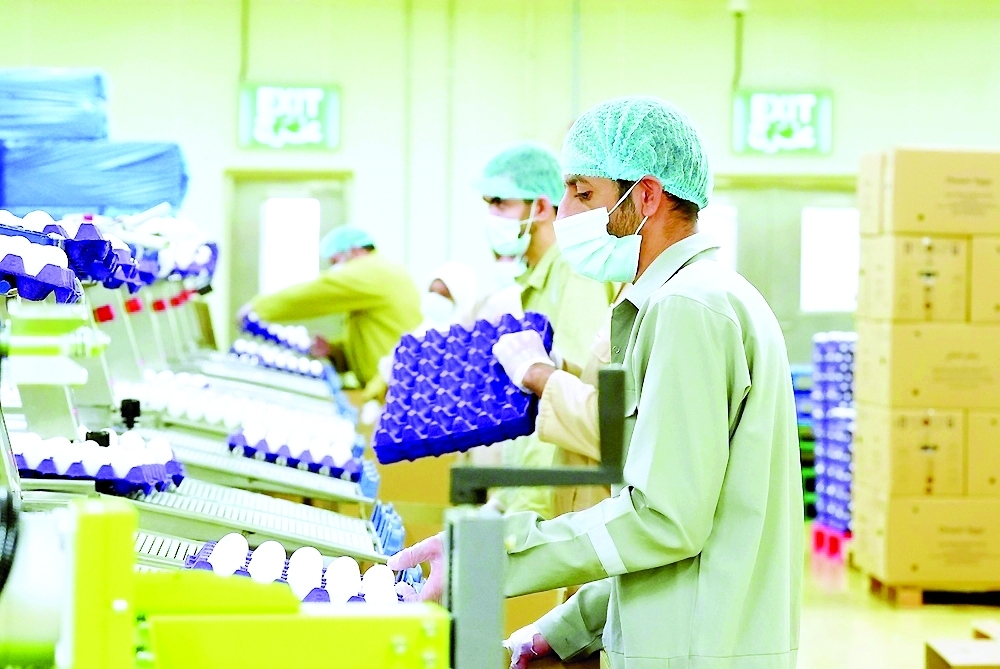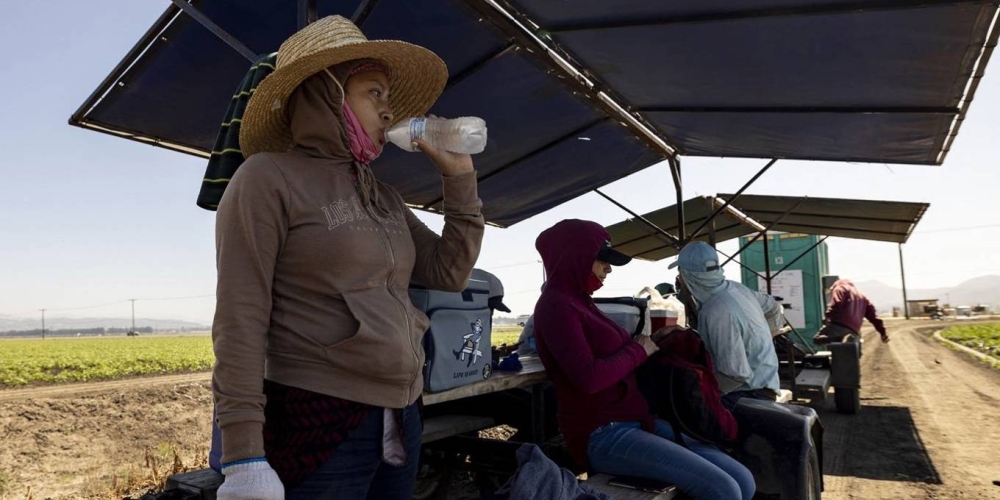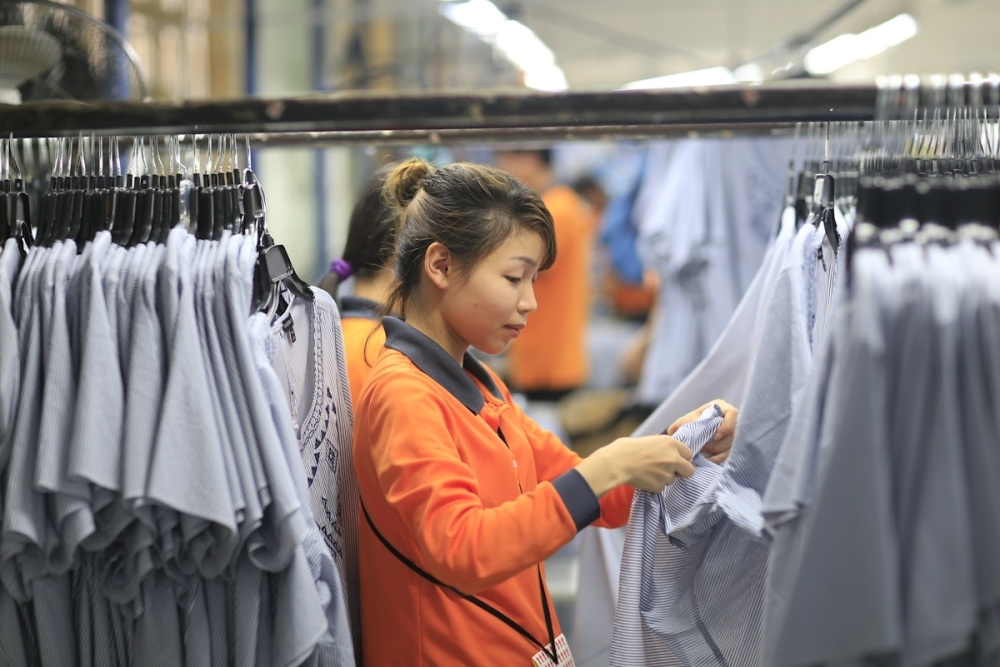





Workers in some of the world's biggest garment manufacturing hubs in Bangladesh, Vietnam, and Pakistan are increasingly exposed to extreme heat as climate change pushes temperatures up, a report found on Sunday, a problem multinational retailers and brands will have to help address.
New European Union regulations make retailers selling in the bloc, like Inditex, H&M and Nike, legally liable for conditions at their suppliers, putting pressure on them to help fund improvements to cool factories they source from.
In Dhaka, Hanoi, Ho Chi Minh City, Phnom Penh and Karachi, the number of days with "wet-bulb" temperatures - a measurement that accounts for air temperature as well as humidity - above 30.5 degrees Celsius jumped by 42% in 2020-2024 compared to 2005-2009, researchers at Cornell University's Global Labor Institute found.
Above that threshold, the International Labour Organisation recommends as much rest as work in any given hour to maintain safe core body temperature levels.
The report identified only three retailers - Nike, Levi's, and VF Corp - which specifically include protocols to protect workers from heat exhaustion in their supplier codes of conduct. COMPANIES WARNED "We've been talking to brands for ages now about this issue, and they're only now starting to turn their attention to it," Jason Judd, executive director at Cornell University's Global Labor Institute, told Reuters.
"If a brand or retailer knows that temperatures in a production area are excessively high or doing damage to worker health, then they're obligated under this new set of rules to do something about it," he added.
The EU Corporate Sustainability Due Diligence Directive came into force in July and will start applying to large companies from mid-2027.
Fixes to cool factories could include better ventilation and water evaporative cooling systems, instead of energy-intensive and expensive air conditioning that would increase manufacturers' carbon emissions.
Some factory owners would likely be willing to make such investments themselves, given how heat stress significantly impacts productivity, Judd said, but the EU rules highlight brands' responsibility to address the issue too.
The report also urged retailers and brands to invest in higher wages and health protections so that workers can manage the risk of missing work days due to heatwaves.
Extreme heat and flooding could erase $65 billion in apparel export earnings from Bangladesh, Cambodia, Pakistan and Vietnam by 2030, research from asset manager Schroders and the Global Labor Institute found last year.
Oman Observer is now on the WhatsApp channel. Click here