Climate change has transitioned from a distant environmental concern to a present-day global crisis that requires immediate attention from policymakers, businesses, and individuals. Rising global temperatures, erratic weather patterns, and the increasing frequency of natural disasters highlight the urgency of addressing its challenges. Despite overwhelming evidence, many regions still grapple with inadequately implemented or poorly designed climate policies, reflecting a critical need for action.
Oman, like many nations, faces pressing challenges posed by climate change. Rising sea levels, extreme weather events, and environmental degradation threaten the country’s biodiversity, water resources, and coastal infrastructure
In 2024, Oman experienced unseasonal and intense rainfall, leading to widespread flash floods. Governorates like Al Sharqiyah North and South bore the brunt of this devastation, with overflowing wadis causing significant damage to property and loss of life. Wadi Bani Khalid recorded the highest rainfall, with other regions such as Ibra, Al Mudhaibi, and Qurayyat also witnessing alarming levels. These events serve as stark reminders of the vulnerabilities induced by climate change.
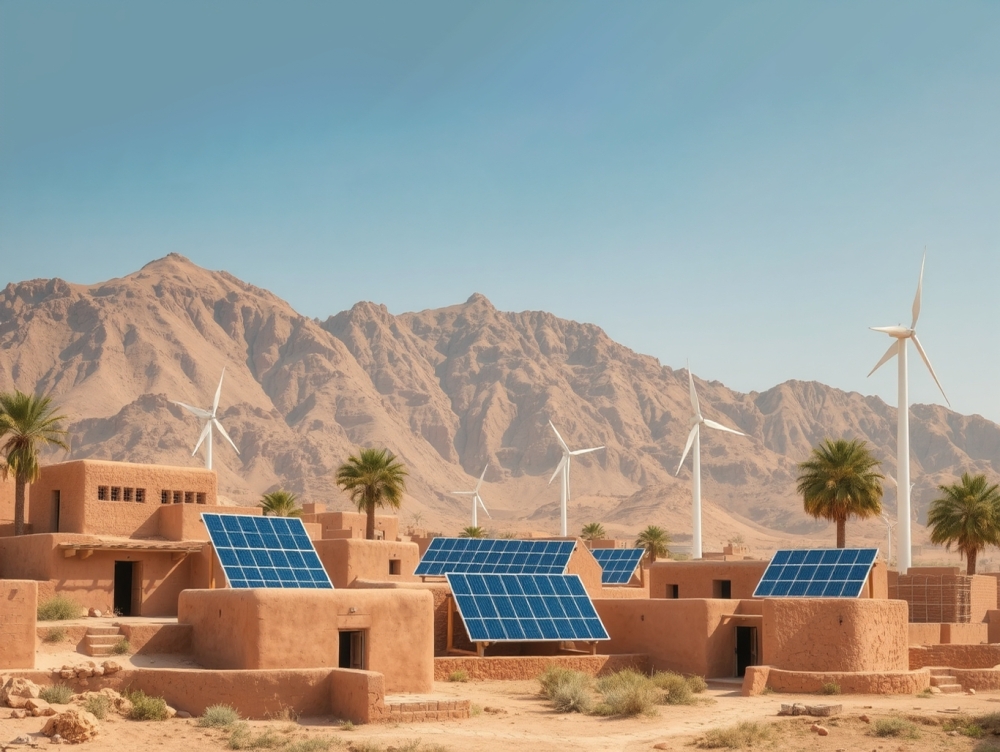
Despite these challenges, Oman has demonstrated commendable foresight in integrating climate action into its national framework. Oman Vision 2040 identifies sustainability as a cornerstone for economic and social development. The country has set ambitious targets, such as achieving 30% of its electricity generation from renewable sources by 2040. Its vast potential for solar and wind energy has spurred innovative projects, including green hydrogen initiatives in Duqm and Al Wusta. These projects aim to position Oman as a global leader in green energy while reducing reliance on fossil fuels.
Efforts to conserve biodiversity further illustrate Oman’s commitment to environmental protection. Initiatives to preserve ecosystems such as mangrove forests and coral reefs align with Vision 2040's emphasis on sustainable tourism and environmental conservation. At the same time, urban planning projects such as Sultan Haitham City and developments in Duqm incorporate renewable energy, green architecture, and sustainable waste management, showcasing a holistic approach to balancing development with environmental priorities.
Yet, the impacts of climate change extend beyond Oman’s borders, demanding a united global response. The extreme weather events that devastated parts of Oman in 2024 exemplify how climate change knows no boundaries.
Such challenges call for enhanced international collaboration, including cross-border research on climate-resilient technologies, equitable financial support for vulnerable nations, and stricter adherence to global climate agreements. Failure to act collectively risks deepening the crisis, leaving future generations to grapple with its consequences.
Oman’s approach reflects a deep respect for its natural heritage and culture. Grounded in a tradition that values harmony with nature, the country’s strides toward sustainability offer a blueprint for others. However, the journey is far from complete. Climate change threatens not only Oman’s environment but also its way of life, underscoring the need for continued and intensified efforts.
While Oman exemplifies how localized solutions can contribute to global climate resilience, the broader challenge requires shared responsibility. As the world contends with this crisis, lessons from Oman’s Vision 2040 and its innovative projects can inspire collective action.
Time remains to mitigate the worst effects of climate change, but the window for meaningful intervention is rapidly closing. The choices made today will determine the future, not just for Oman but for the planet as a whole. The urgency to act is clear, for climate change respects no borders.
Dr Umair Waqas
The author is Assistant Professor in Supply Chain Management, College of Commerce and Business Administration, Dhofar University, Oman.
Oman Observer is now on the WhatsApp channel. Click here