




MUSCAT, NOV 12
The Sultanate of Oman has posted the lowest inflation rate in the Gulf Cooperation Council (GCC) region, with a year-on-year increase of just 0.4% in September 2024, down from 1.1% in August, according to the latest report by Kamco Invest. This modest rise in inflation reflects Oman’s continued stability amid challenging global conditions, as the GCC overall has managed to keep inflation rates low despite regional geopolitical tensions, including conflicts in Gaza, Lebanon, and Ukraine.
GCC countries have maintained low inflation largely due to subsidies and strict price controls on essentials such as energy and food, shielding consumers from volatile global price swings. This stands in stark contrast to the broader Middle East and North Africa (MENA) region, where inflation remains in double digits.
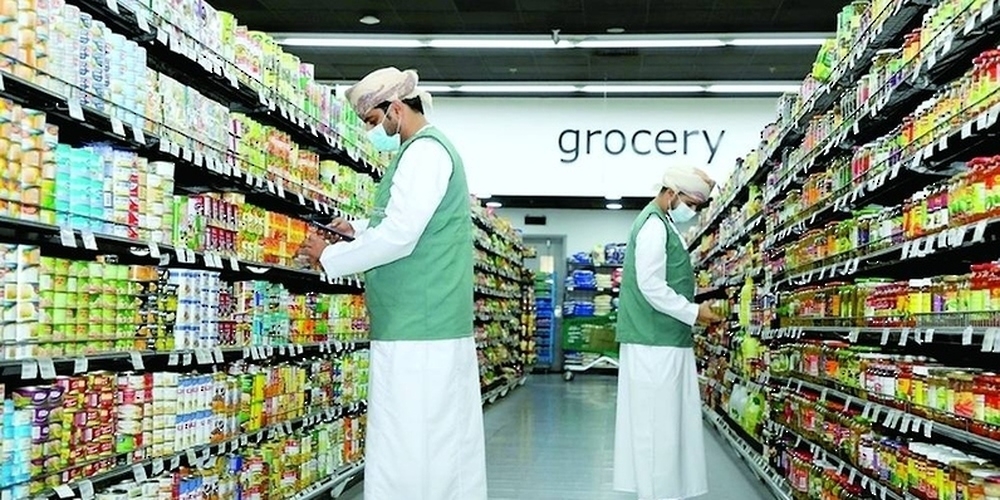
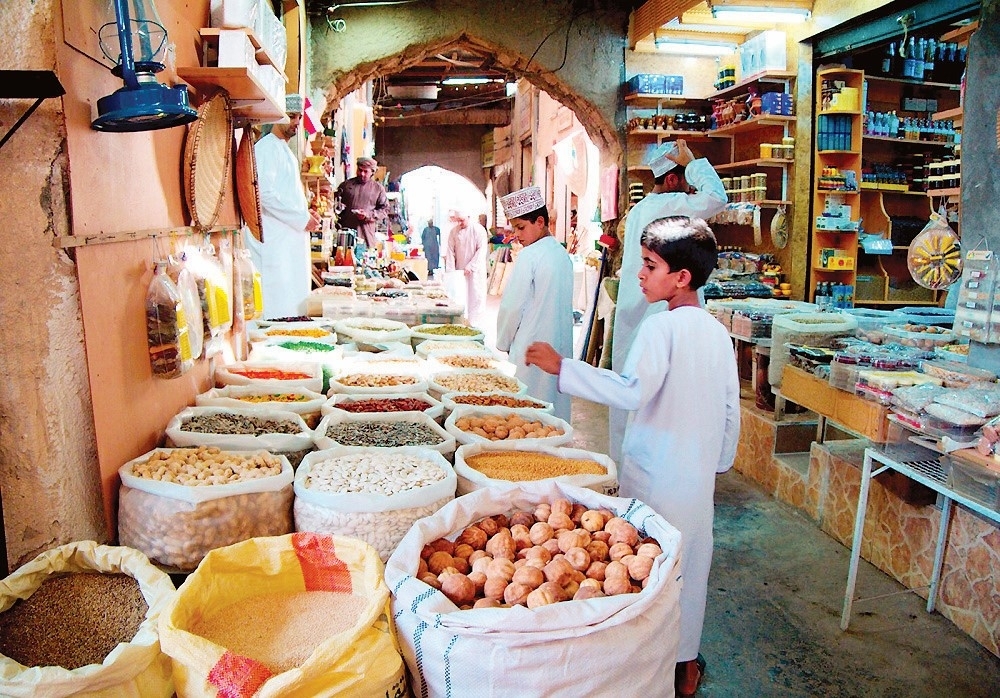
According to Oman’s National Centre for Statistics and Information (NCSI), the 0.4% rise in inflation in September was driven primarily by increases in categories like goods and services (+4.33%), food and non-alcoholic beverages (+2.81%), health (+2.44%), and entertainment (+0.71%). Within the food category, vegetables saw the most significant hike at 8.15%, followed by fruits at 6.15% and dairy products at 5.5%.
However, some categories, such as transportation (-3.41%) and household goods (-0.59%), experienced price declines. Housing, utilities, and communication costs remained steady.
Regionally, Oman’s inflation rate is markedly lower than other GCC countries. Kuwait reported one of the highest rates in the bloc at 2.8%, followed by Dubai at 2.5% and Saudi Arabia at 1.7%. Bahrain and Qatar posted rates of 0.9% and 0.8%, respectively. Across Oman’s governorates, Musandam recorded the highest inflation at 1.5%, while Muscat Governorate saw the lowest rise at 0.19%.
The GCC’s controlled inflation is a stark contrast to global trends. The International Monetary Fund (IMF) has forecast that global headline inflation will ease from 6.7% in 2023 to 5.8% in 2024 and 4.3% in 2025, driven by the delayed impact of monetary tightening policies. Meanwhile, inflation rates in advanced economies are expected to fall, with headline inflation in emerging markets projected to gradually decrease from 8.1% in 2023 to 4.0% by 2025.
Oman’s performance underscores the impact of policy measures in shielding the economy from inflationary pressures, solidifying the Sultanate of Oman’s position as a stable market in a turbulent global landscape.
Oman Observer is now on the WhatsApp channel. Click here