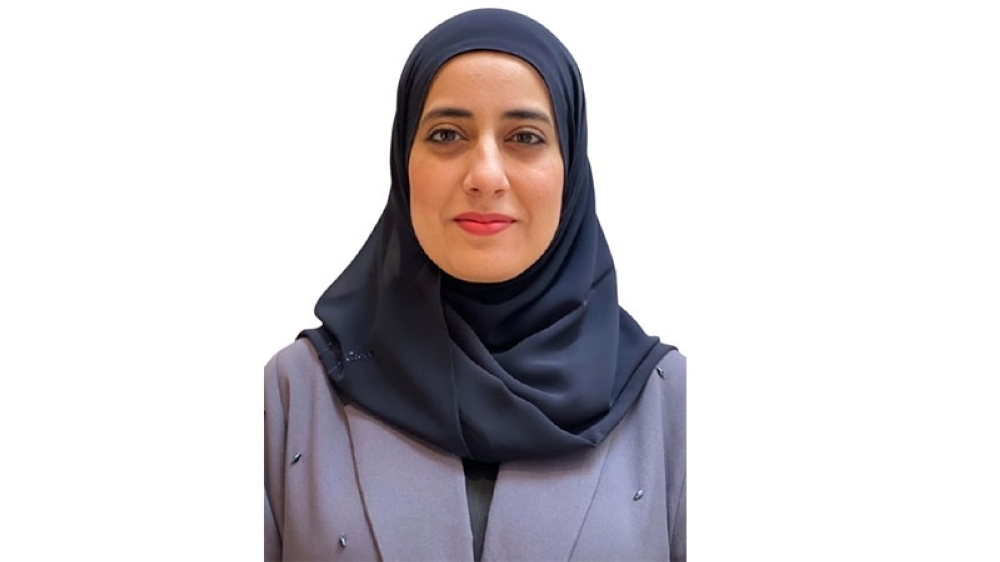





MUSCAT: The research titled ‘Levels of Agreement among Clinical Pharmacists on the Impact of Pharmaceutical Interventions in Oman,’ led by Principal Investigator Clinical Pharmacist Juhaina al Maqbali, Senior Pharmacist Specialist at Sultan Qaboos University Hospital (SQUH), is a pivotal study that examines the consensus among clinical pharmacists on the outcomes and significance of their pharmaceutical interventions.
The study was conducted to address the disagreements between healthcare providers on medication-related interventions and to evaluate the role of clinical pharmacists in improving patient safety and treatment outcomes.
Clin Ph Juhaina al Maqbali and her team aimed to assess the levels of agreement among clinical pharmacists regarding the clinical significance and grading of pharmaceutical interventions.
The research focused on how these interventions contribute to enhancing patient safety, improving treatment efficacy, and reducing toxicity in a tertiary care setting. The retrospective study, carried out over nine months (January 1, 2021, to September 30, 2021), evaluated documented interventions across various categories of admitted patients at SQUH.
The research involved collecting data on the types, outcomes, and clinical significance of interventions made by clinical pharmacists. A peer-review process was employed to validate the clinical significance and grading of the interventions, ensuring consistency in evaluations. Data were also collected on the cost reductions associated with these interventions.
Out of 4,760 documented interventions, 3,006 were included in the final analysis after excluding those with missing information. The results showed that clinical pharmacists intervened primarily to improve treatment efficacy (58 per cent) and reduce toxicity (24 per cent).
Cardiovascular medications and antibiotics were the most commonly involved drug classes, each accounting for 23 per cent of interventions. The study found high acceptance rates by treating physicians, with 76 per cent of interventions accepted as suggested and 19 per cent accepted with modifications.
The study highlighted substantial agreement among clinical pharmacists on the clinical significance of their interventions, indicating a high level of consensus between originators, reviewers, and supervisors.
This agreement underscores the crucial role that clinical pharmacists play in the healthcare team, contributing to patient safety and the overall quality of care.
Clin Ph Juhaina al Maqbali and her team concluded that the involvement of clinical pharmacists is essential in improving patient outcomes. The research advocates for clinical pharmacists to be integral members of the multidisciplinary healthcare team, ensuring their expertise is utilised in medication management.
The study was published in the Journal of Pharmacy Practice and was supported by the Publication Support Programme of the Ministry of Higher Education, Research and Innovation in Oman. This programme is dedicated to promoting the publication of research papers in prestigious peer-reviewed journals and highly-rated specialised databases.
The research team included Clin Ph Juhaina al Maqbali, Dr Aqila Taqi, Ph Buthaina al Hamadani, Clin Ph Sara Gamal, Ph Esra al Lawati, Clin Ph Najwa al Himali, Clin Ph Fatima Bahram, Ph Suad al Jabri, Ph Nashwa al Sharji, Ph Saud Homood, Ph Bushra al Siyabi, Ph Ekram al Siyabi, Clin Ph Samyia al Ajmi, Ph Kifah al Balushi, and Prof Ibrahim al Zakwani.
Oman Observer is now on the WhatsApp channel. Click here