




NIZWA: The University of Nizwa, represented by the Natural and Medical Sciences Research Centre, announced the discovery of a dimorphic medicinal fungus that causes a new fungal infection in.
The new discovery announced by the University of Nizwa was the outcome of research cooperation with the National Institutes of Health (NIH) in the United States of America (USA), Radboud University in the Netherlands, Guizhou Medical University based in Guiyang Province in China and the German National Reference Center for Invasive Fungal Infections in the city of Jena, Germany.

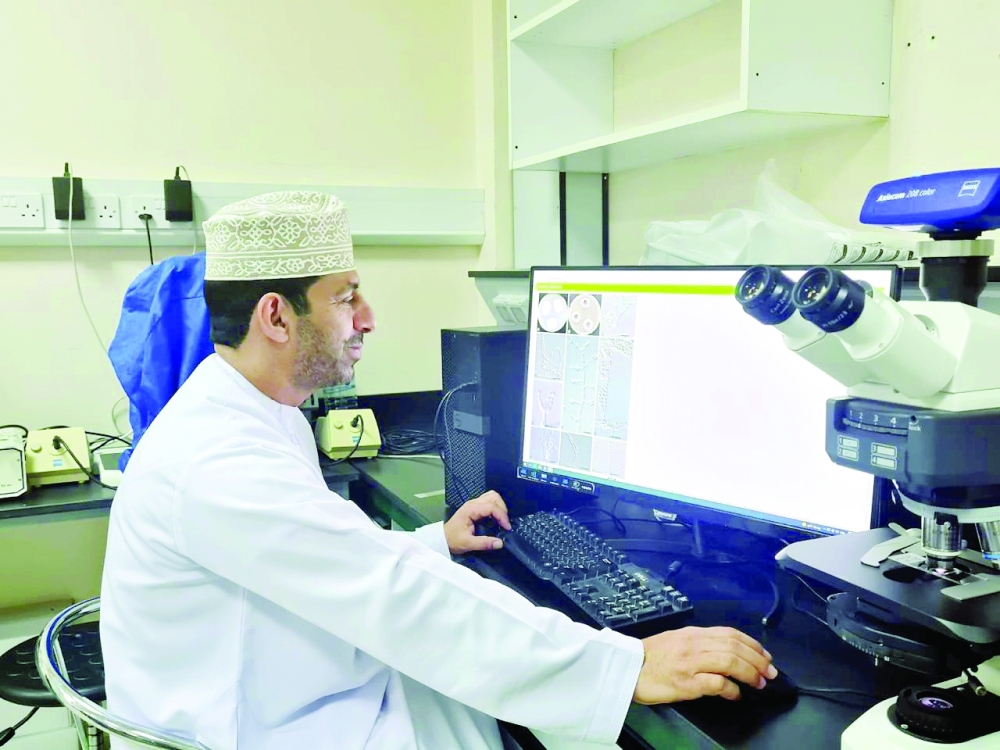
Dr Abdullah bin Mohammed al Hatmi, Assistant Professor at the University of Nizwa and Head of the Microbiology Laboratory at the Natural and Medical Sciences Research Centre at the University of Nizwa and one of the scientists who participated in the scientific discovery, said: “This fungal infection was unknown before and the newly-discovered fungus can infect humans. It has the ability to survive inside the human body in the form of yeast but it can also live outside the human body in the form of mold and becomes more resistant to drugs when exposed to high temperatures.”
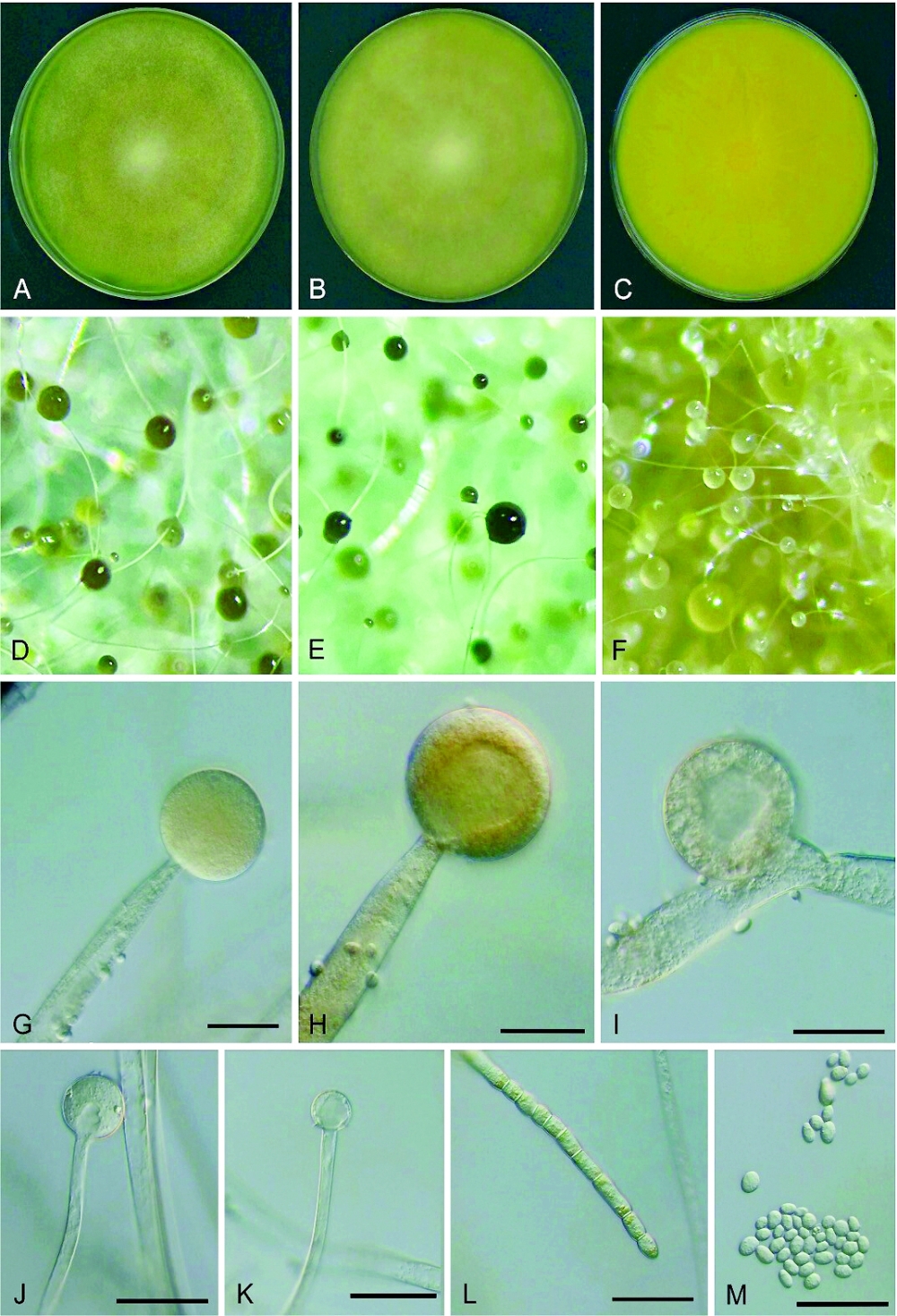
Al Hatmi noted that this discovery was recently published in the magazine (mBio) in cooperation with international scientists and physicians. We received an invitation from scientists and fellow researchers to conduct accurate analyses at the University of Nizwa and the university adopted the research project stemming from its keenness in supporting scientific research.
The results of the accurate analyses did not match any type of previously known fungi. The new fungus belongs to a family known to have the ability to infect humans with a serious fungal disease that affects various parts of the human body, Al Harthi said.
The research was conducted by Dr Abdullah Al Hatmi from the University of Nizwa, Dr Amir Mosmi, from the National Institutes of Health, Professor Sybren de Hoog and Dr Sara Ahmed from Radboud University and Professor Joyce Kang from China.
Oman Observer is now on the WhatsApp channel. Click here