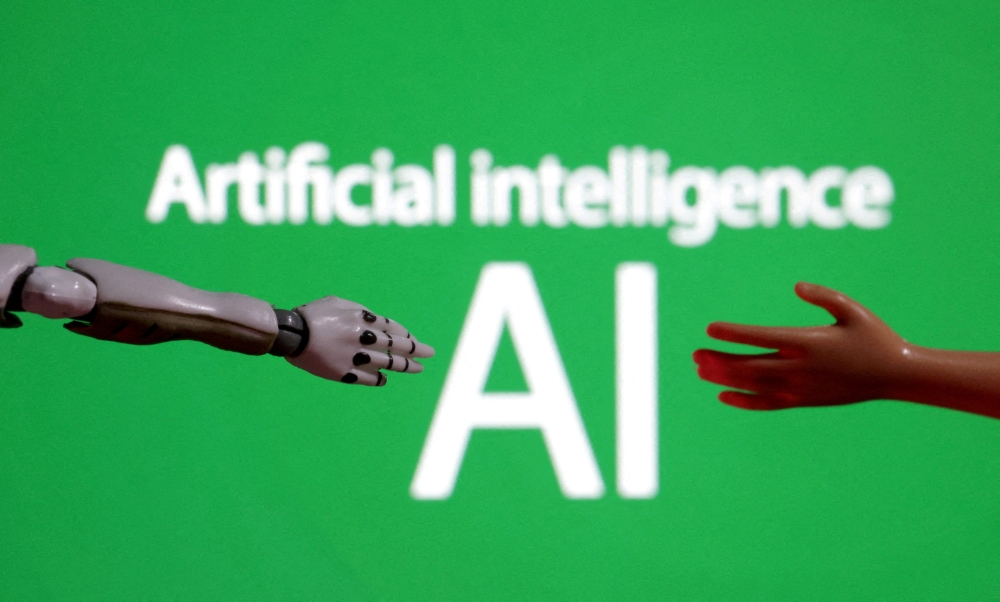





MUSCAT: Media experts from GCC countries emphasised the mindful use of new technologies, including Artificial Intelligence to maintain accountability for the most vital tool in mass communication.
Accuracy and right information, according the experts, are key to the mass media of all kinds and this can be compromised if journalists and other media stakeholders don’t use the AI tools “intelligently and smartly.”
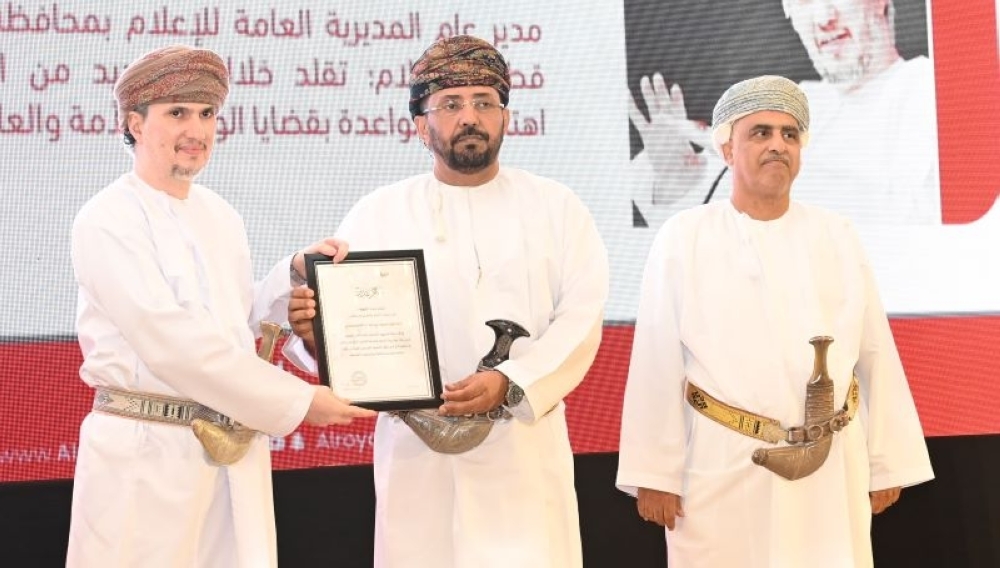
They had gathered in Salalah for the third session of ‘New Media and Digital Age Forum’. The theme for the session was "Omani Media in the Age of Artificial Intelligence".
The event opened under the auspices of Major General (Rtd) Salim bin Muslim Qatan, Vice-Chairman of the State Council, at Millennium Salalah Hotel on Thursday.
In his keynote address Hatem bin Hamad al Tai, Editor-in-Chief of Al Roya newspaper, highlighted the rapid technological advancements in the media sector in recent past. He recounted how media technologies, which started with modest innovations in the 1990s, dramatically evolved into the sophisticated AI-driven systems of today.
“AI has the potential to revolutionise media but it also has associated risks if not used properly. The risk lies in the creation of deepfakes,” he said.
Al Tai outlined the dual nature of AI's impact on journalism and media. On the positive side, AI can enhance journalistic practices and improve the quality of media output, contributing to the creation of an informed public that is aware of current issues. On the negative side, AI technologies, if improperly managed, could lead to significant challenges, including the spread of misinformation.
In his comments to the Observer he said, “We all use artificial intelligence. There is a risk if it is used without certain ethics and also for wrong purposes.”
“We should use advanced but we know the best practices to use them to emit the right information to our audience which is mass, class and everything. We have been given a responsibility of conveying right information to the people and we should deliver by the proper use of human and mechanical skills,” he said.
Dr Muhammad bin Awad al Mashikhi, an academic researcher who specialises in public opinion and Mass Communication, said it has been established that tools such as ‘Chat GPT’ and ‘Google Gemini’ are increasingly used in the media field these days.
“While AI has begun to replace certain human skills, it still lacks qualities unique to humans, such as creativity, flexibility, ethical commitment, and genuine emotions. Despite these limitations, some media outlets have started relying on AI to generate content and news, reducing their need for human journalists.”
“This is a dangerous trend,” he cautioned and said: “AI's rapid integration into various sectors, including media, has sparked fears of its dominance, posing a significant threat to humanity.”
Other experts also had similar line of thinking in their presentations and speeches. They called to strike a right balance for the benefit of the future generations.
Oman Observer is now on the WhatsApp channel. Click here