




SALALAH, AUGUST 13
The Steering Committee overseeing the control of the ‘aarnot’ – a pesky biting midge that thrives during the khareef season – has reported significance success in the trial of new control measures piloted for the first time during the 2023 khareef.
The measures, centring on the use of insecticides and carbon traps, were implemented in four different locations - Wadi Darbat, Ain Arzat, Ain Sahlnoot and Ain Jarziz – in Dhofar Governorate. The results indicated that the campaign was effective in reducing the number of midges in the targeted areas, as a noticeable decrease in the presence of the ‘aarnot’ was observed. This partial success provided the team with clear directives to improve the programme for this year and mitigate any treatments that might have an environmental impact.
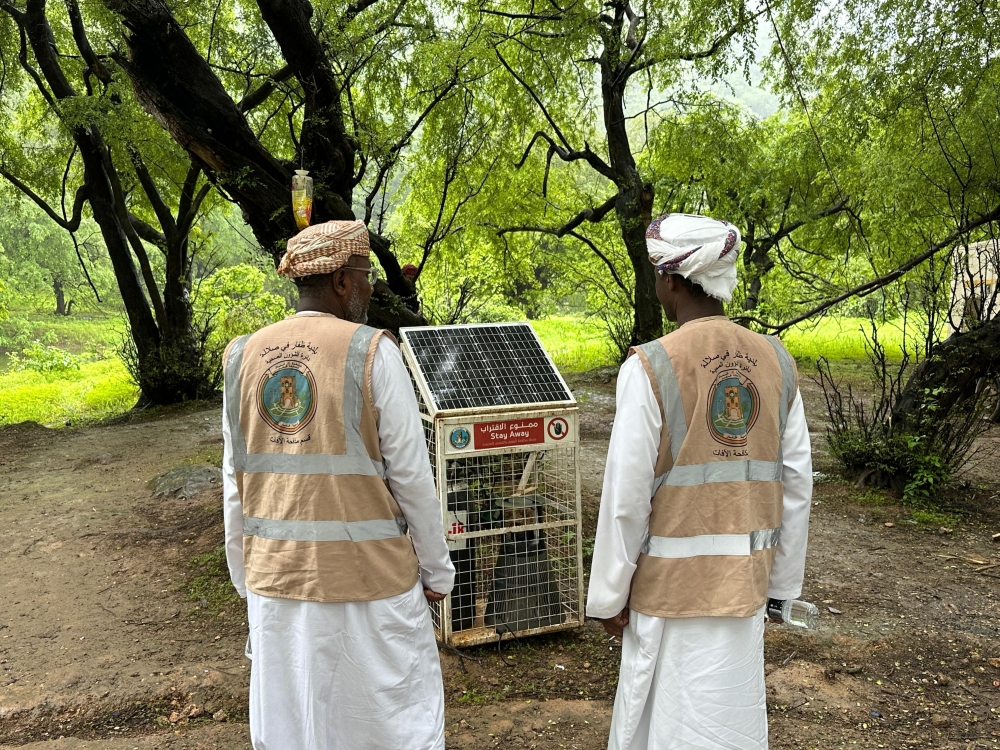
This year, the committee continues its tasks in combating the ‘aarnot’ seasonal fly (scientific name: Forcipomyia), focusing on using fumigant insecticides (smoke) to target adult insects. The smoke quickly dissipates in the air and targets the insects at their peak, achieving the goal of reducing the insect population while minimizing negative environmental impacts. Several tourist sites such as Wadi Darbat, Ain Arzat, Ain Sahlnoot, and Ain Jarziz, among other tourist locations in the plains, will be targeted. Carbon traps will be deployed in various locations to study the effectiveness of the spraying. The results will be compared between sprayed and unsprayed areas, and based on daily reports, the team will take appropriate measures.
The committee clarified that this campaign will focus solely on certain tourist sites to reduce the presence of this insect and will not be randomly directed in forested areas but within a limited scope, similar to mosquito control that may occur in residential and tourist areas. It is known that the ‘aarnot’ is a seasonal insect that appears only in the khareef after the soil is saturated with rain, with the larvae remaining dormant throughout the year until the next Khareef season begins.
The ‘aarnot’ Control Steering Committee is collaborating with relevant authorities to select one of the proposals for a detailed study on the midge’s life cycle, its environmental impact, and ways to mitigate its effects while maintaining the sustainability of ecosystems. Such a study will provide a broad perspective on the ‘aarnot’ and other insects present in the Khareef region.
The control team is keen to use organic pesticides that are less harmful to the environment and that dissipate over time without long-term environmental effects. Although all activities in tourist sites have a negative impact on the environment, restoring and enhancing these ecosystems, contributing effectively to the planting of wild trees, scattering local herb seeds, and raising environmental awareness help compensate for the negative impact of human activities on the environment.
Dhofar Municipality, in cooperation with relevant authorities, is currently implementing extensive campaigns to scatter more than 40 billion grass seeds, over 68 million local tree seeds, and more than 2 million seed balls.
Over 70 per cent of this campaign has been completed so far. Additionally, several projects have been announced, and others will be announced soon, aimed primarily at protecting ecosystems and supporting the spread of local plants.
Oman Observer is now on the WhatsApp channel. Click here