




SALALAH, AUGUST 12
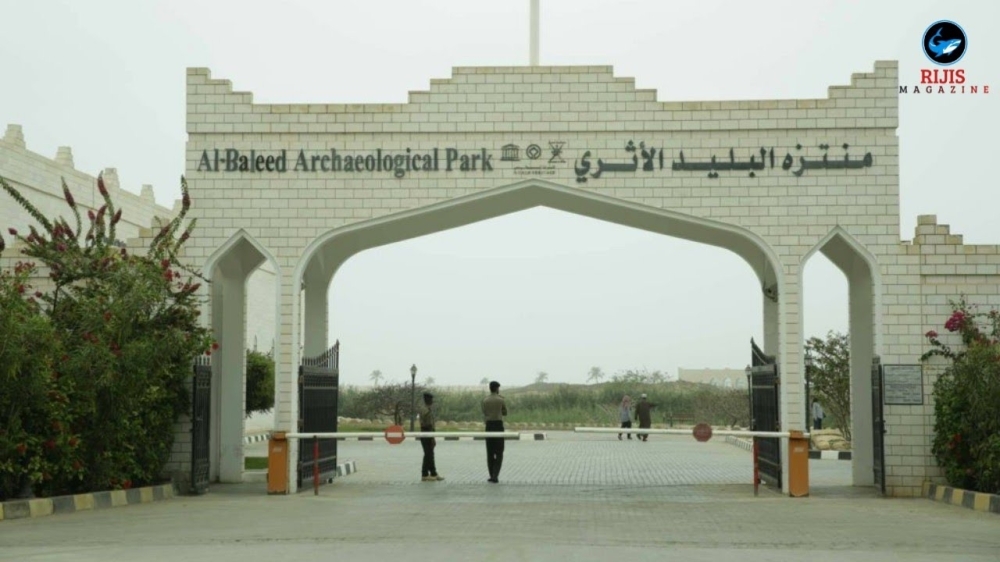
Al Baleed Mosque, a prominent attraction within Al Baleed Archaeological Park in Al Haffa, on the coast of Salalah, is a fascinating historical site that illuminates Oman's architectural and cultural history. The mosque was constructed in the third century AH, corresponding to the ninth century AD. Archaeological findings suggest it was built on top of older structures, potentially dating back to the Iron Age.
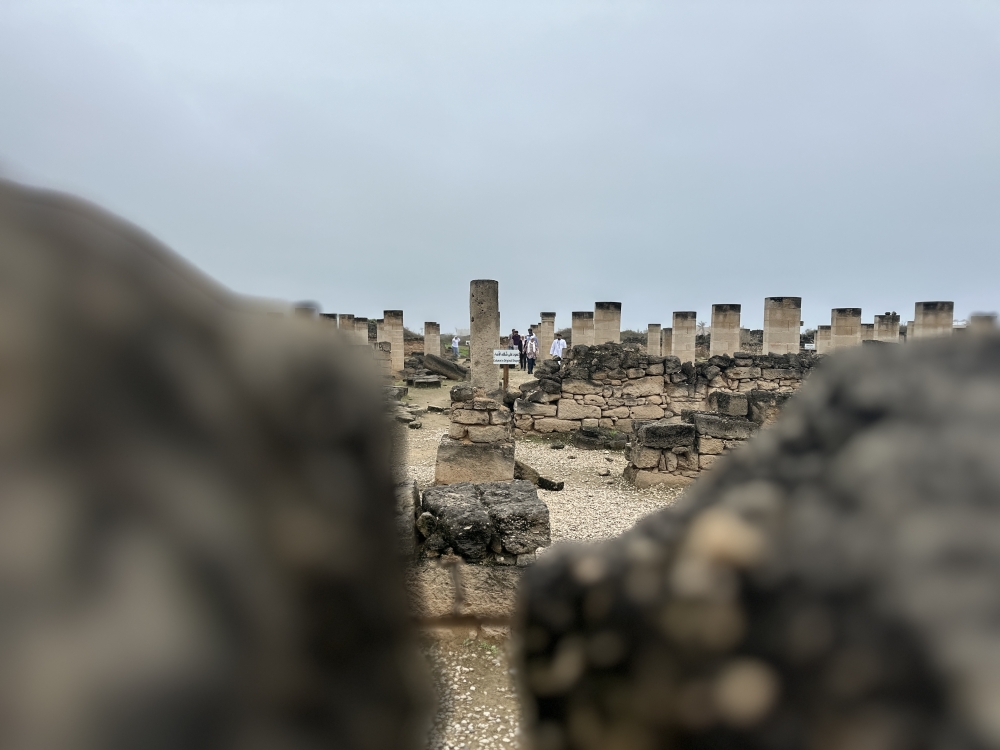
A total of 1,732 square metres, spanning three separate construction periods, have been uncovered during site excavations. The mosque's walls are made of massive stone blocks, still partially intact despite the passage of time. Situated on a raised area about three metres high, the walls were once covered in plaster. The mosque, with its seven entrances and surrounding terrace, plays a significant role in the community.
One of the mosque's most distinctive features is the 144 columns facing the qibla wall in parallel rows. These columns, with square bases and floral-decorated crowns, are mainly octagonal or cylindrical in shape and were crucial in supporting the mosque's ceiling.
The 'shamasiya', or skylight, at the centre of the building is an open rectangular courtyard. This spacious area would have been essential for gatherings and introspection. A five-metre-tall square minaret to the northeast serves as a spiritual and visual focal point. Adjacent to the minaret are the ablution areas, necessary for ceremonial purification before prayers.
A small area on the mosque's southeastern side may have functioned as a women's prayer hall or a school, emphasising the mosque's dual role as a place of worship and a community centre.
Beyond being an ancient structure, Al Baleed Mosque provides a window into Oman's rich Islamic history. It offers visitors a tangible connection to the past, serving as a silent witness to the social, religious and educational activities of people who lived centuries ago.
Oman Observer is now on the WhatsApp channel. Click here