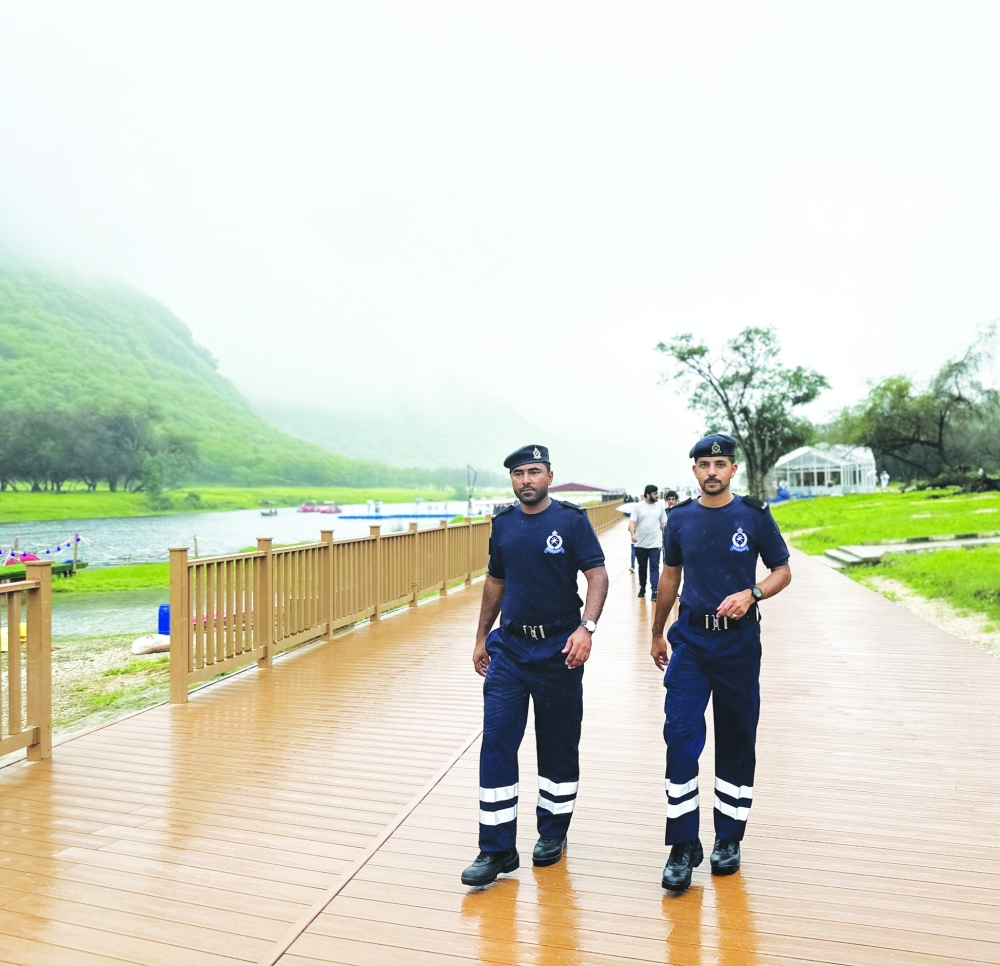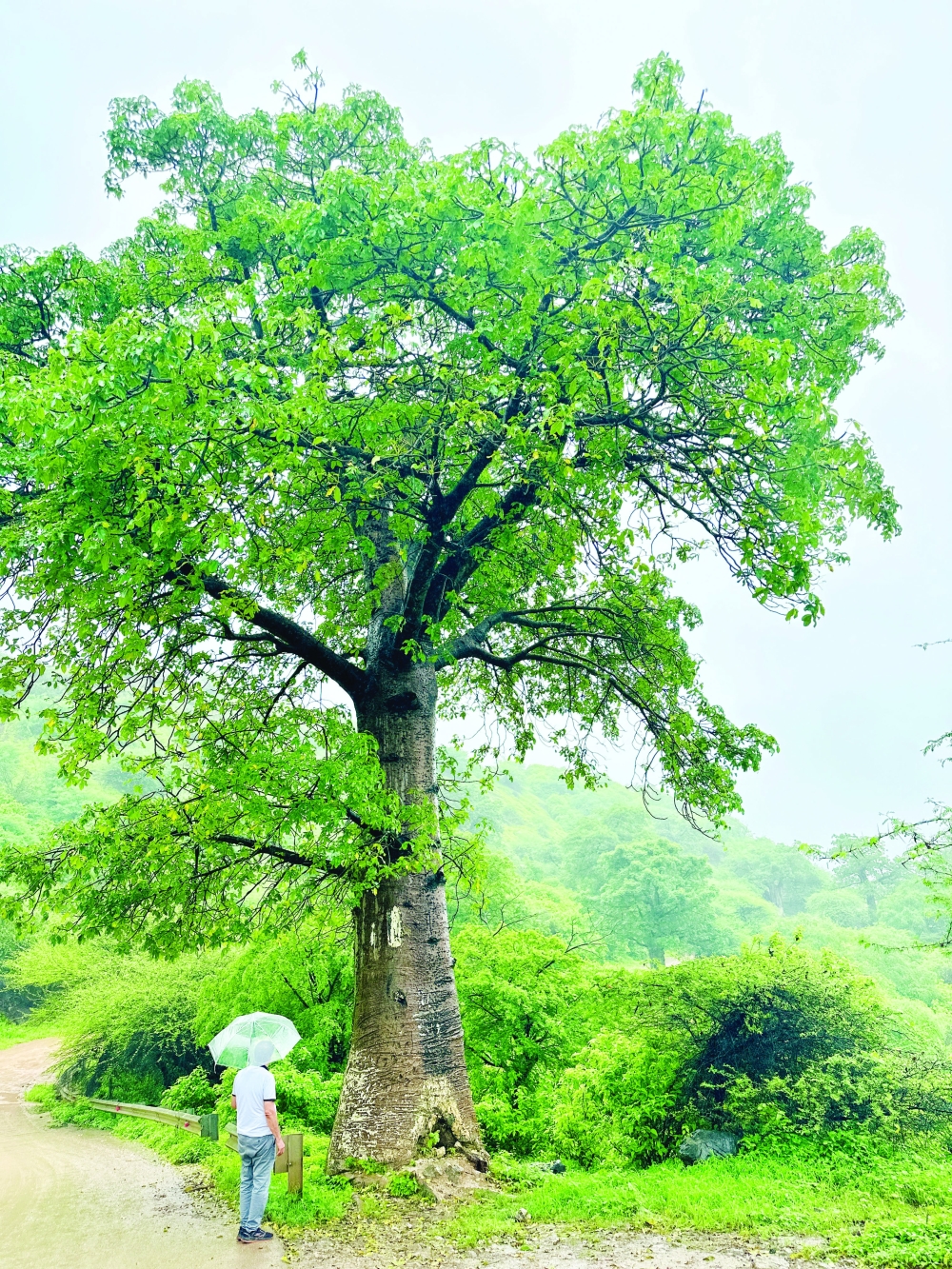





NIZWA: With the Khareef season on, the Governorate of Dhofar have been transformed into a verdant paradise, stretching from Mirbat and Salalah to Dhalkut and Rakhyut. During this season, native plants flourish, and trees become lush, spanning from plains to mountain tops and plateau areas
However, recent human interventions have begun to disrupt this delicate ecosystem.
One of the major threats to Dhofar's natural harmony is the invasive plant species. In 1998, a plant known as Parthenium was first spotted in the region. Within two decades, this invasive species started spreading across different areas of Dhofar, posing a significant threat to the local flora.
The rapid proliferation of Parthenium has prompted a coordinated response from various authorities and institutions in Oman.
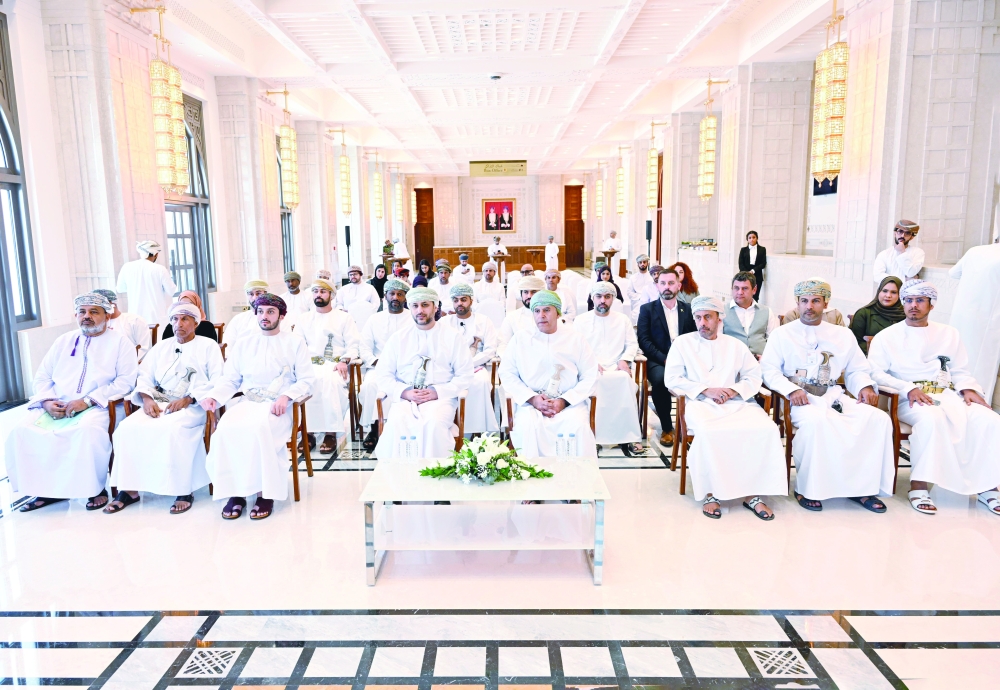
In 2021, the Environment Authority (EA), Dhofar Municipality, and other institutions, including the Academy, collaborated to form a scientific team dedicated to managing the Parthenium invasion.
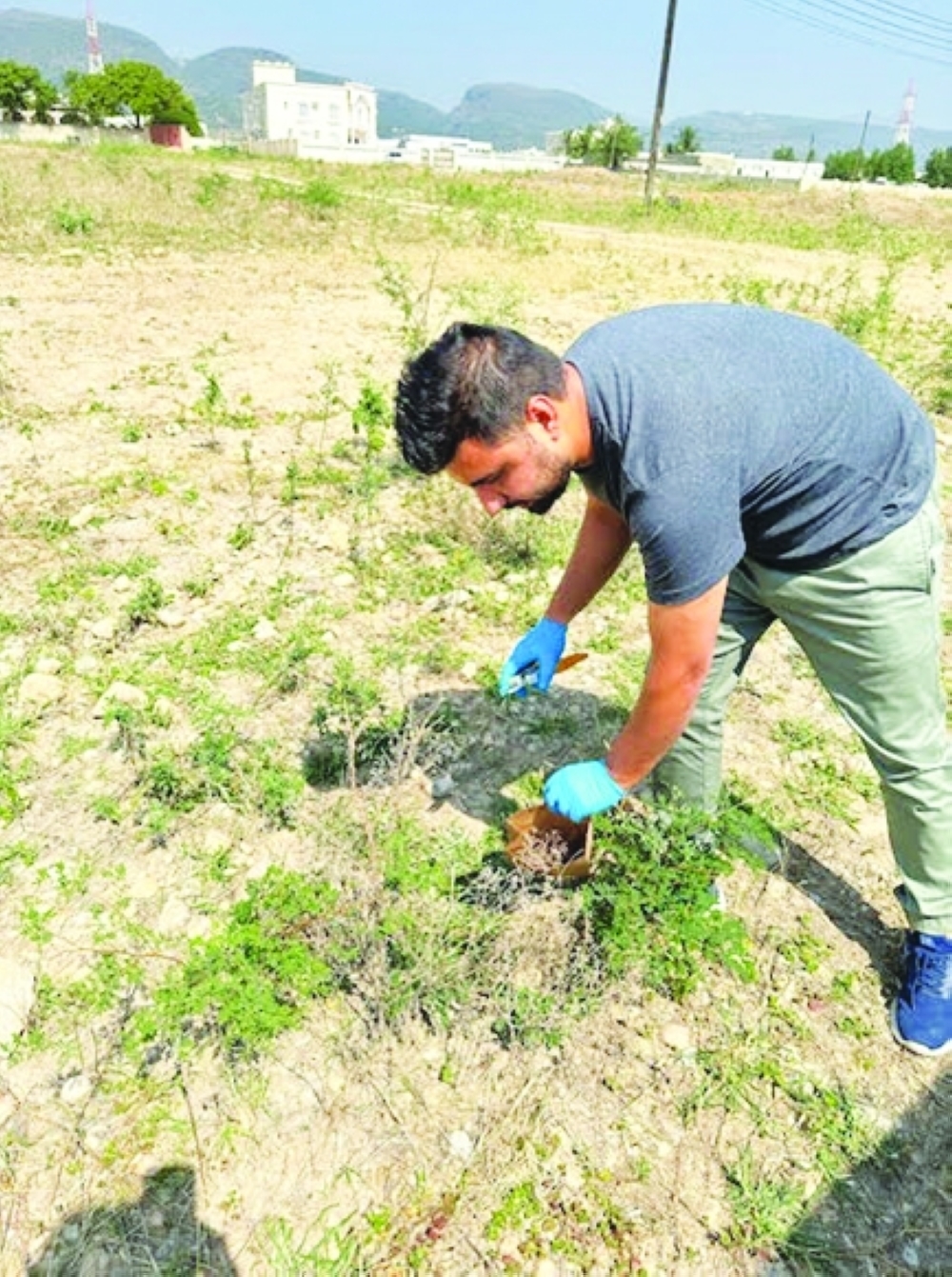
This team, comprised of experts from the University of Nizwa's Natural and Medical Sciences Research Centre, aims to control and manage the spread of Parthenium through a comprehensive study of its genetic, natural, and phytochemical characteristics.
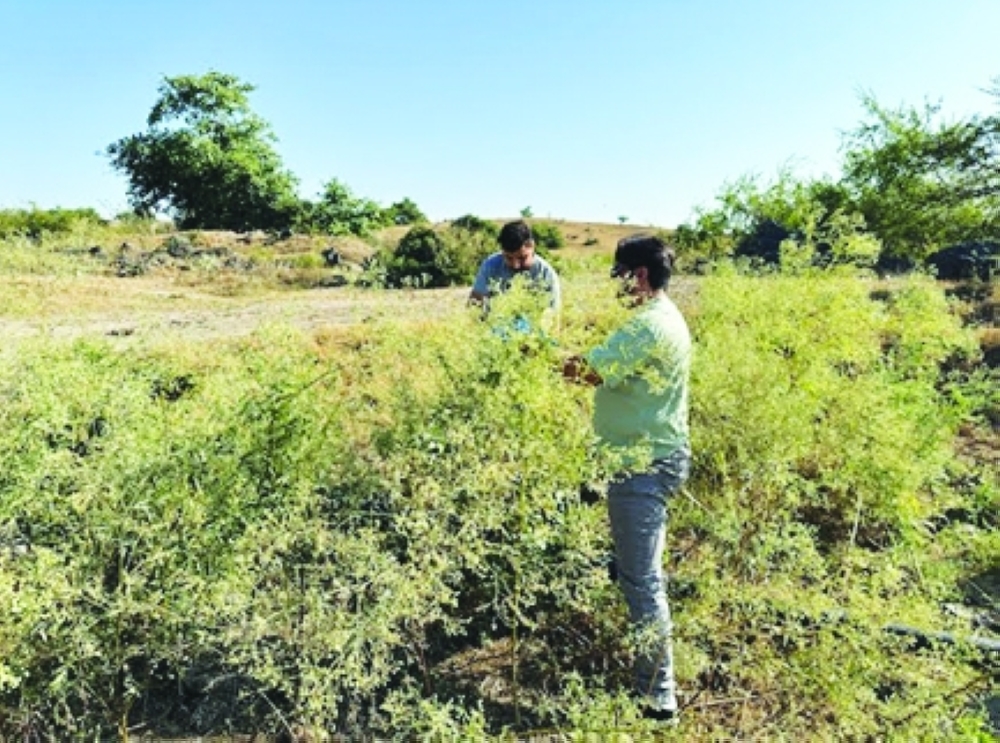
The University of Nizwa's research team collected plant and seed samples from the wilayats of Mirbat, Salalah, Rakhyut, and Dhalkoot during September and October 2023. They conducted a study on the germination physiology of 16 samples and prepared a preliminary report.
The team extracted and isolated chemicals and growth-inhibiting compounds from Parthenium and began exploring local herbal extracts that may inhibit its growth.
The next phase of the study involves physical, biochemical, and molecular analyses of the plants. The researchers plan to conduct transcriptomic analysis of proteins, chemical characterisation, modeling, and computational analysis.
The culmination of this extensive research will be a final report and scientific publications, which will be presented to the scientific team and Dhofar Municipality, the primary funding organisation for the study.
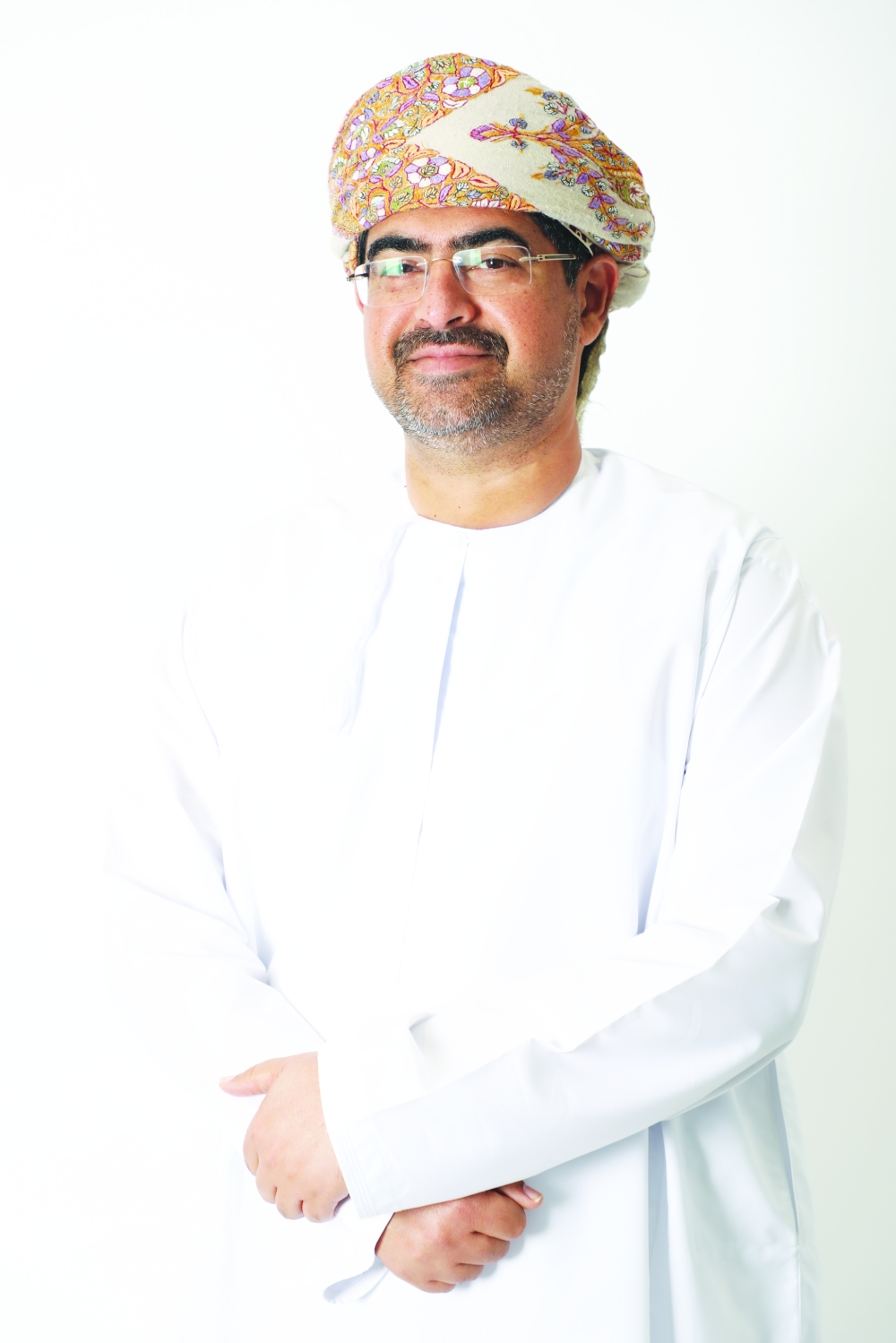
Dr Ali Al Lawati, Project Manager, University of Nizwa, who spoke about the project's significance, said, “These studies will enhance our understanding of the impact of this invasive species on the environment and biodiversity of Dhofar. In addition, it helps us develop sustainable management practices that assist the Municipality of Dhofar and the EA in controlling this invasive species. Management practices from these studies by the University of Nizwa are examples of utilising and converting scientific outputs to outcomes that assist the environment and community.”
Oman Observer is now on the WhatsApp channel. Click here