




IBRA: Last year, the occupancy rate of hotel rooms in North Al Sharqiyah Governorate ranged between 60 and 90 per cent during the tourist season from October to March. This high occupancy was observed across 47 tourist facilities, comprising 1,044 hotel rooms distributed throughout the governorate's wilayats.
Mohammed bin Saif al Riyami, Head of the Tourism Development Department at the Department of Heritage and Tourism in North Al Sharqiyah Governorate, confirmed that preparations are underway for the upcoming winter tourist season to attract both local and international tourists. The governorate boasts a variety of accommodations, including 10 hotels, 10 tourist camps, 9 guest houses, 12 green lodges, two rest houses, and 4 hotel apartment buildings.
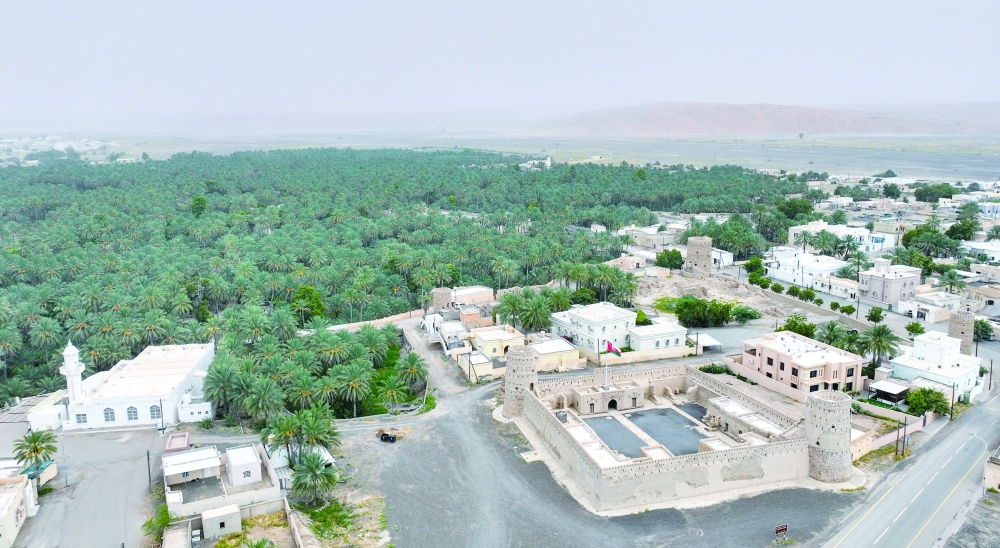
Al Riyami highlighted the region's numerous tourist attractions such as the Al Sharqiyah Sands and valleys, known for their abundant water, as well as the oases and sulfur springs in the Wilayat of Dima and Al-Tayyin, and the waterfalls of "Hawar" in the Wilayat of Wadi Bani Khalid. Additionally, tourists can explore ancient mountain trails, castles, forts, popular markets, and archaeological neighborhoods like the villages of "Al-Manzfah" and "Al-Qanater" in the Wilayat of Ibra, which offer classic car tours.
Al Riyami also noted that the Ministry of Heritage and Tourism is working to transform some of the governorate's 25 registered archaeological sites into tourist attractions. These sites reflect the cultural depth and historical richness of the region. Various initiatives are being implemented to invest in these sites for tourism and trade purposes.
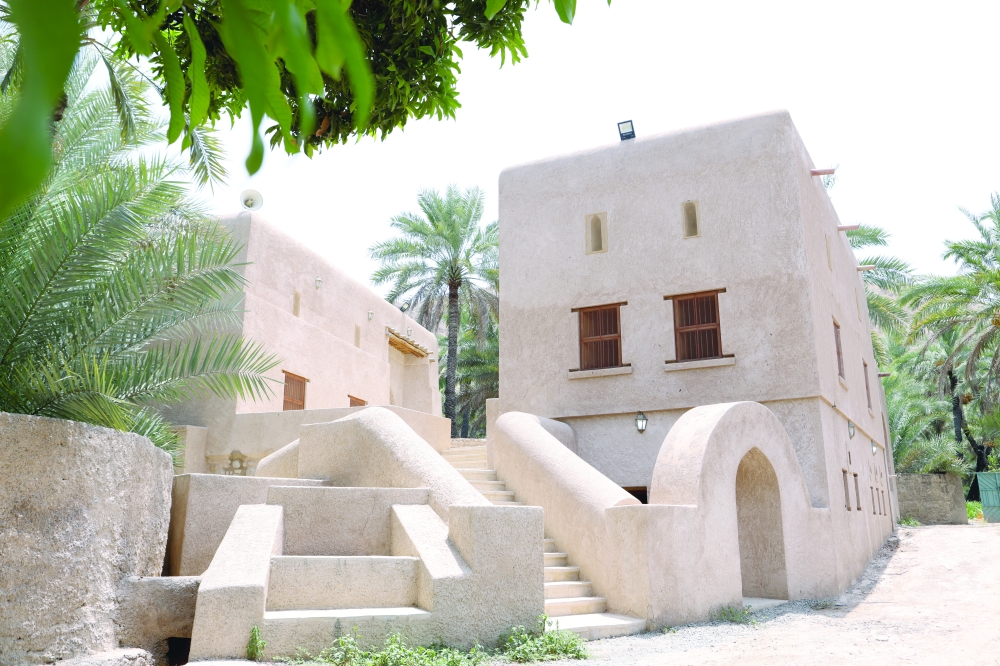
Khamis bin Salem al Maskari, Assistant Director of the Department of Heritage and Tourism in North Al Sharqiyah Governorate, emphasized key archaeological sites like Al Khashaba, Al Ghareen, Al Salili in the Wilayat of Al Mudhaibi, and Shanna in the Wilayat of Al Qabil. He added that Al Maysar and Samad are among the oldest sites where archaeological excavations have been carried out, dating back to the third millennium BC through the Iron Age to the Islamic periods.
Al Maskari explained that the ministry collaborates with other authorities to preserve these archaeological sites and uncover their treasures. International and local universities are conducting surveys and excavations to discover more about these sites.
Regarding preservation steps, Al Maskari detailed the process: post-discovery documentation through scientific reports, publication in the Omani Studies Journal, and the development of warning and alert regulations about the site’s ownership by the Ministry of Heritage and Tourism. Measures are also taken to prevent tampering and encroachment, inventory discoveries, maintain and number artifacts, determine their age and historical value, and preserve them in designated places. Some sites even have programs or applications detailing their content.
Additionally, three-dimensional drawings of sites and their contents are created, and meetings with local communities and officials are held to highlight the importance of these sites. Exhibitions are organized to introduce the community to the historical value of archaeological sites and the artifacts discovered therein.— ONA
Oman Observer is now on the WhatsApp channel. Click here