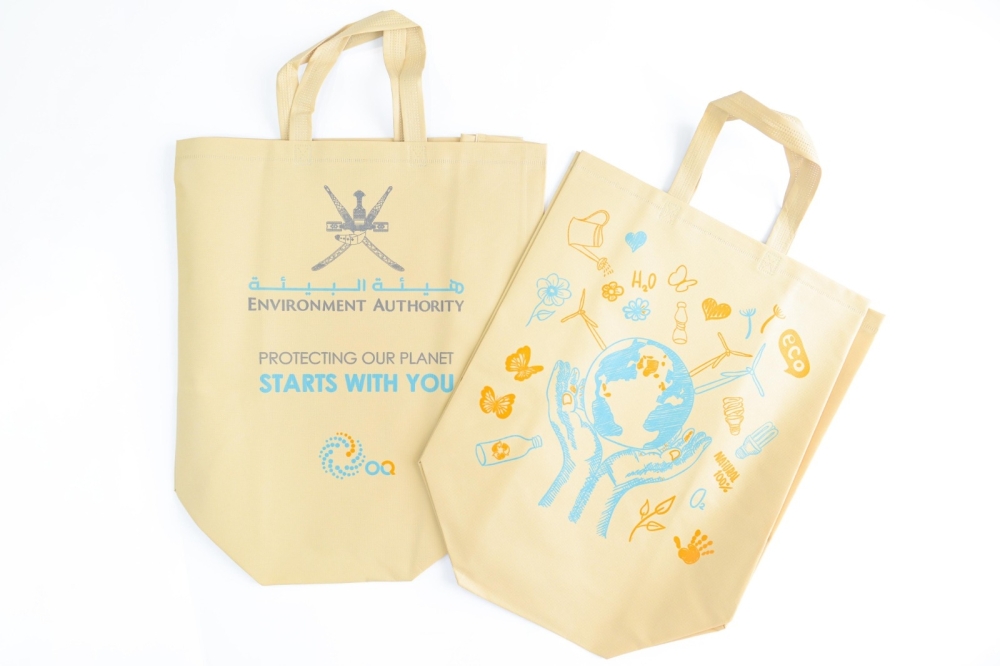






Muscat: Plastic bags are convenient and widely used in our daily lives, but they significantly contribute to environmental pollution, the death of wildlife, and pose serious health risks to humans.
When we shop, it’s typical for sellers to provide plastic bags for our purchases. Often, these bags end up in the trash, leading to environmental harm.
Plastic bags are notorious for their longevity in the environment, taking up to 2,000 years to decompose. The manufacturing process of plastic releases toxic chemicals that can damage the nervous system, disrupt hormone production and cause cancer. These chemicals also pollute our land, water and air.
The World Health Organisation warns that high exposure to BPA and phthalates, common in beauty products, can cause lung problems and increase the risk of asthma in children.
Additionally, exposure to these compounds can lead to insulin resistance, high blood pressure, obesity, diabetes and increased risks of kidney and heart disease.
The production of plastic consumes 60–100 million barrels of oil annually, depleting valuable resources and raising oil prices. When plastic bags accumulate in garbage sites, they release chemicals into the ground, contaminating groundwater, which can then affect the plants we eat and the water we drink. This pollution disrupts the natural food chain, impacting animals and plants, from large mammals to microscopic plankton.
Recognising these dangers, Oman has taken significant steps to reduce the use of plastic materials. In 2022, the Ministry of Commerce and Industry and Investment Promotion issued a decision banning the import of plastic bags. This move aims to encourage environmentally friendly manufacturing, support local industries, boost exports and establish a sustainable plastics manufacturing sector.
Ahmed bin Zahir al Hinai, Director General of Environmental Affairs, stated that the ban on single-use plastic shopping bags is part of a broader plan to protect Oman’s environment and wildlife. This decision aligns with the Environmental Protection and Pollution Control Law No. 114/2001 and integrates sustainable development goals into national action plans.
Al Hinai explained that the decision followed extensive studies and workshops involving governmental and private entities. An adequate transition period was provided to ensure manufacturers and consumers could adapt without significant disruption. The Authority has reviewed the experiences of other countries with similar bans, noting significant reductions in pollution and environmental preservation.
The decision is being implemented in collaboration with the Ministry of Commerce, Industry and Investment Promotion, ensuring compliance by companies and commercial institutions. By taking these measures, Oman is making a substantial effort to reduce plastic pollution and protect both its terrestrial and marine environments.
Oman Observer is now on the WhatsApp channel. Click here