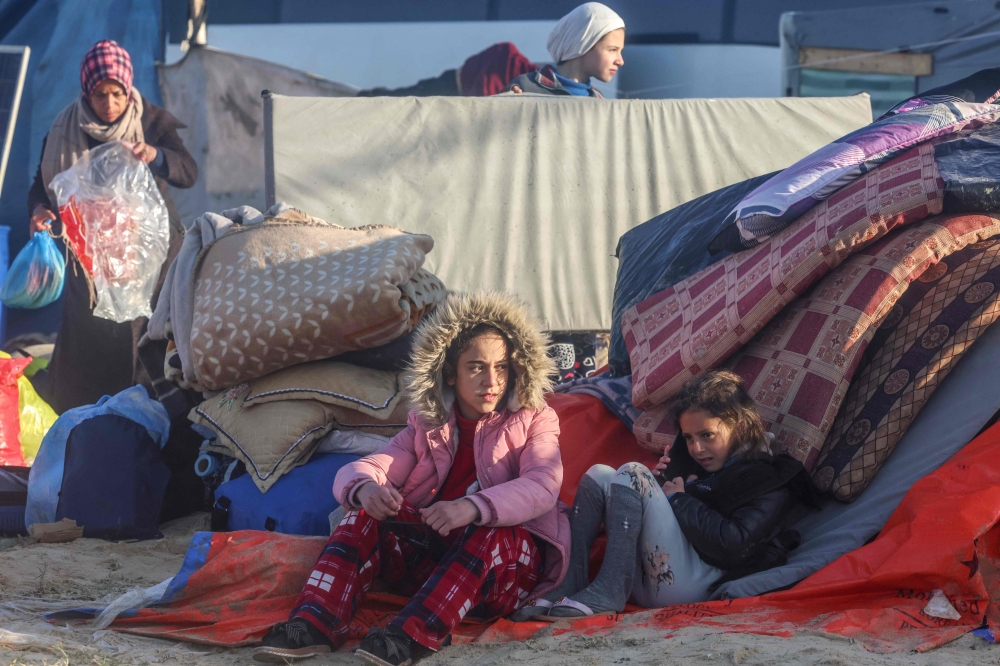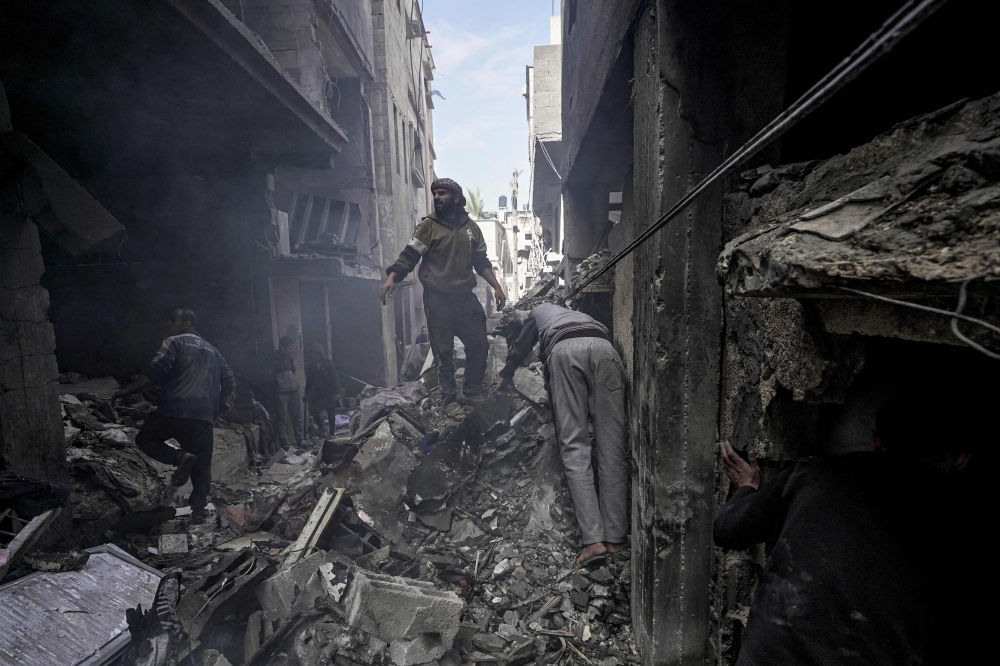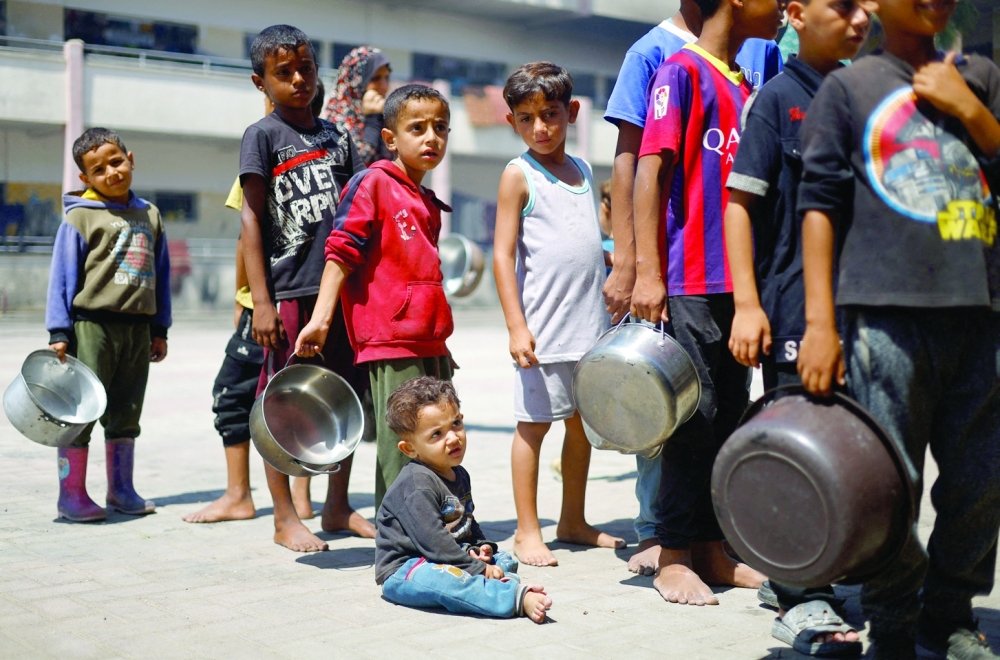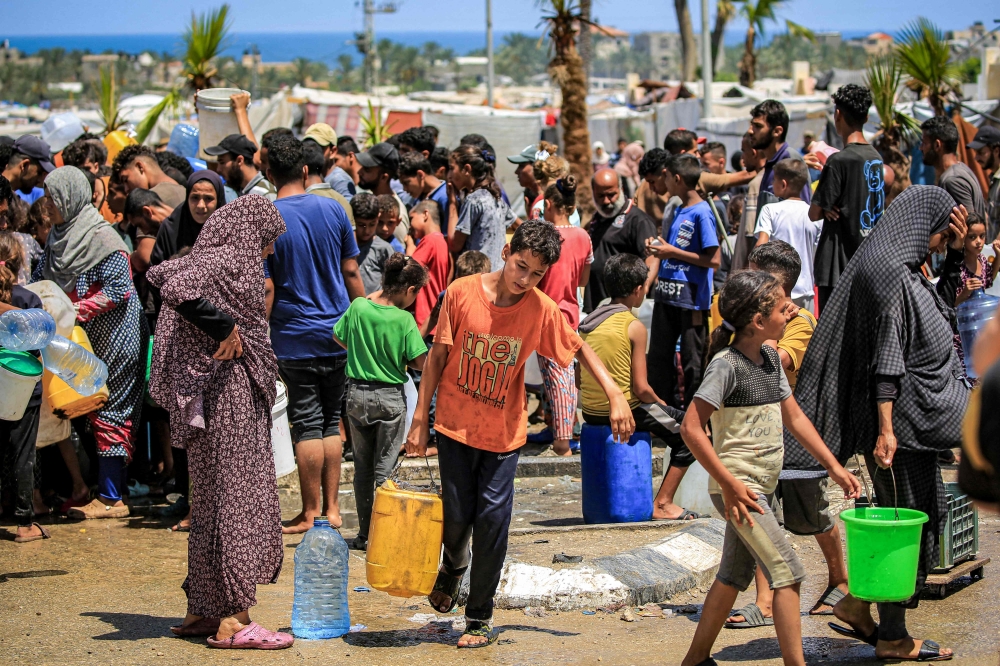





ROME: Almost half a million people are still experiencing "catastrophic" hunger in Gaza, with famine still a high risk, a United Nations-backed assessment found on Tuesday.
The latest Integrated Food Security Phase Classification (IPC) partnership said its March warning of imminent famine in the north of the Palestinian territory had not materialised.
"However, the situation in Gaza remains catastrophic and there is a high and sustained risk of famine across the whole Gaza Strip," the report said, warning against any complacency.
It said around 495,000 people -- around 22 percent of the Gaza population, according to the UN -- are still facing "catastrophic levels of acute food insecurity" known as IPC Phase 5.
Another 745,000 people are classified as in a food security emergency.
The UN's World Food Programme said the new report "paints a stark picture of ongoing hunger".
"The improvement shows the difference that greater access can make. Increased food deliveries to the north and nutrition services have helped to reduce the very worst levels of hunger, leaving a still desperate situation," it said. But it warned that in the south of Gaza, the situation was getting worse.
"Hostilities in Rafah in May displaced more than a million people and severely limited humanitarian access," it said.
"Meanwhile, the security vacuum has fostered lawlessness and disorder which severely hamper humanitarian operations.
"WFP now fears that southern Gaza could soon see the same catastrophic levels of hunger previously recorded in the northern areas." The IPC is an initiative involving over 20 partners, including governments, UN agencies and NGOs.
Meanwhile, ten children per day are losing one or both of their legs in the war in Gaza, the head of the UN agency supporting Palestinian refugees said on Tuesday.
"Basically we have every day 10 children who are losing one leg or two legs on average," UNRWA chief Philippe Lazzarini told reporters in Geneva.
Citing figures from the UN children's agency UNICEF, he said that figure "does not even include the arms and the hands, and we have many more" of these.
"Ten per day, that means around 2,000 children after the more than 260 days of this brutal war," Lazzarini said. Save the Children said on Monday that up to 21,000 children are estimated to be missing in the chaos of the war. — AFP
Oman Observer is now on the WhatsApp channel. Click here