




MUSCAT: Oman's economic outlook for 2024 reflects the guarded optimism of the wider Gulf Cooperation Council (GCC) region, according to a new World Bank report. Titled ‘Spring 2024 Gulf Economic Update (GEU)’, the report urges Oman to press ahead with its economic diversification efforts as a safeguard against potential global challenges.
The GCC witnessed a regional slowdown in 2023 due to factors like production cuts by OPEC+, tightening global monetary conditions, and ongoing geopolitical tensions.
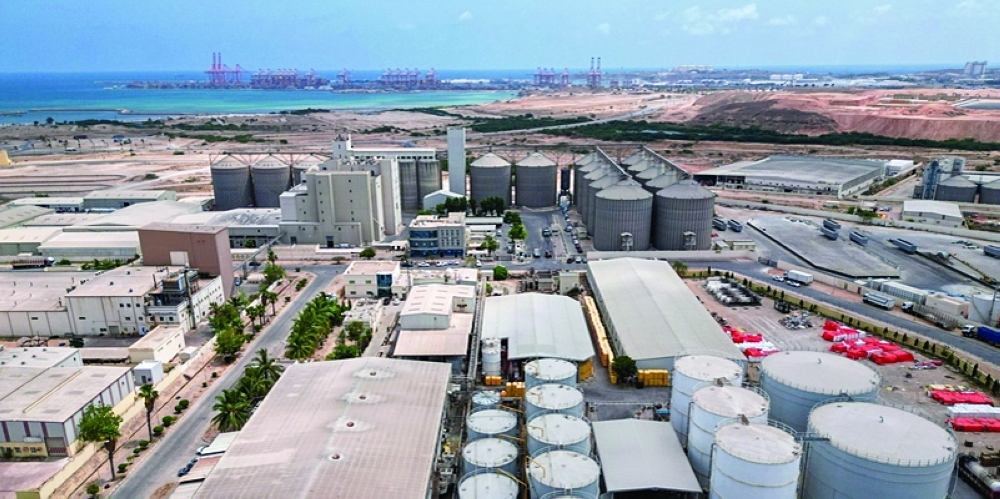
However, Oman's non-oil sector defied the trend, registering a commendable 3.5 per cent expansion on the back of implemented structural reforms and sustained investments.
The report forecasts a modest recovery in regional GDP growth to 2.8% in 2024, accelerating further to 4.7% in 2025. Anticipated gradual increases in OPEC+ quotas during the latter half of 2024 are projected to translate into a measured 1.7% growth in Oman's oil GDP this year, followed by a more pronounced upswing of 6.9% in 2025. Meanwhile, the non-oil sector is expected to maintain its momentum, with a projected expansion of 3.6% in 2024 and a steady 3.5% growth in the medium term, according to the report.
Fitch Ratings recently affirmed Oman's credit rating due to progress on fiscal consolidation. The report highlights a significantly narrowed budget deficit and a projected decline in government debt to 31.9% of GDP by 2025. To lessen reliance on oil revenue, the government is actively pursuing tax reforms, including the potential future implementation of a personal income tax. Spending reforms are also underway to streamline subsidies and allocate resources towards social programs through the Social Investment Fund.
Despite the positive strides, Oman's economy remains heavily influenced by oil revenue. Fiscal and external balance surpluses contracted in 2023 as a result of lower oil income. The World Bank report underscores diversification as crucial to reducing vulnerability to oil price fluctuations and ensuring long-term economic growth.
The report identifies several vulnerabilities impacting the wider GCC region. Escalating regional conflicts threaten to disrupt investor confidence and hinder economic activity. Additionally, a slower-than-expected recovery in China, a major oil importer, could dampen oil prices and demand, impacting both Oman's oil and non-oil sectors.
Oil price volatility, high spending levels, and large public sectors continue to pose fiscal challenges for the GCC. The region also faces the looming threat of climate change, necessitating proactive strategies to mitigate risks and capitalize on opportunities within the green economy.
Furthermore, the report highlights the need for significant improvements in education quality across the GCC to create a skilled workforce that can propel the success of economic diversification strategies and achieve long-term sustainable growth.
Oman Observer is now on the WhatsApp channel. Click here