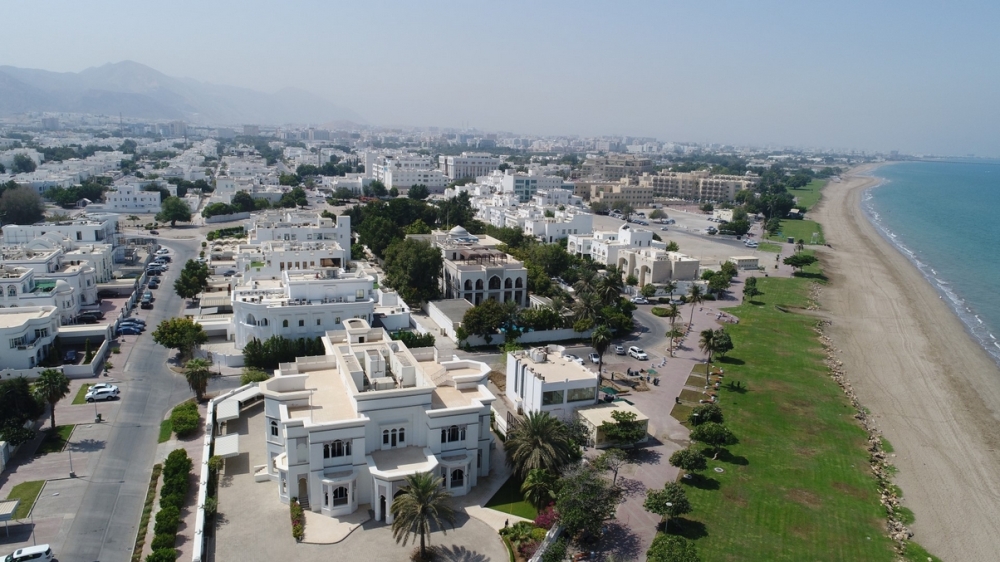
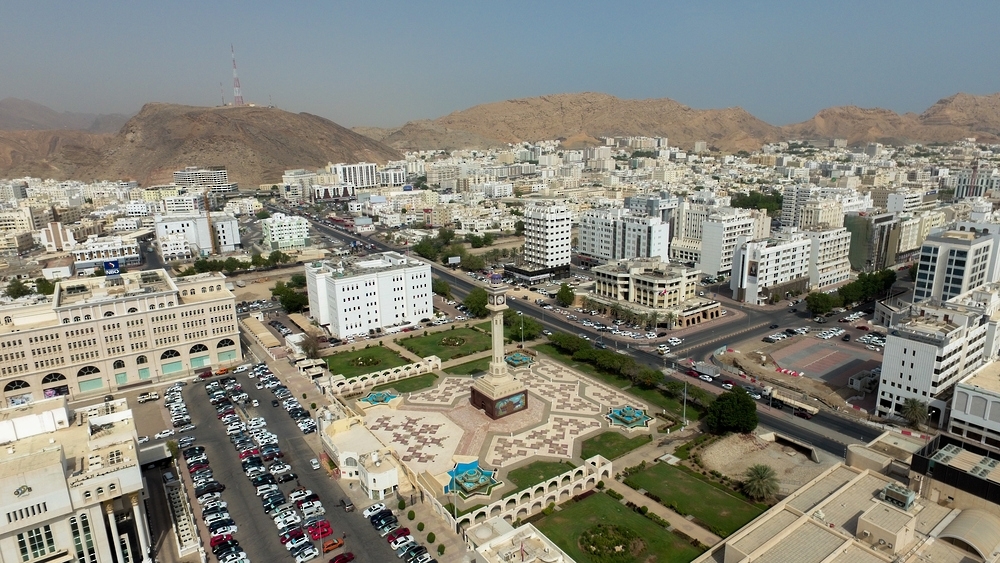
At a recent hospitality event in Oman, one topic greatly stood out for me among many other relevant ones, that of speculative real estate developments.
It made me think, to some extent, aren’t all real estate developments speculative? A speculative development starts without any commitment from anyone interested in buying or renting it. This would be contrasted to a scheme which is incepted with firm commitment to buy or lease most if not all of it by end users or investors.
Some of the most well-known schemes globally were developed as speculative schemes which immediately, or eventually, became successful. A significant portion of London’s central areas was developed through speculative schemes, including Soho, and large parts of Mayfair and Westminster. Closer to Oman, Dubai Downtown in neighbouring UAE was developed speculatively, and yet we cannot imagine those cities now without these developments.
In the absence of a clear definition of speculative development, the concept varies from one developer to another. Most developments will fall between two extremes, 100% commitments for the product of the developer before they commence the project, or 0% commitments – two extremes of the spectrum.
In the event of no commitment, the level of speculation greatly varies. A developer considering a residential development in a midscale city would base the decision of inception on two key numbers: the residential unit absorption rate (demand), and the housing pipeline (supply, which includes housing starts and planned). The bigger the gap between supply and demand, the less speculative the development, as demand is assured. Conversely, the smaller the gap or if supply exceeds demand, then the higher the speculative element. The harder it is to ascertain demand, the higher the level of risk—emerging markets typically fall into this category, especially ones with a high percentage of expatriate workforce who tend to be more transient than the local population. This is, of course, a highly simplified version, which links to many other variables.
So, are there steps that ensure a speculative development is successful? Let’s focus on the three crucial factors of success, looking at a local example developed by Omran.
Bassa Beach Park is a new development located in Musandam, with a lot going for it. While it may not be a mega-development, it is a well-designed, well-proportioned beach park with walkways and children’s play areas. It boasts approximately 800 sq m of retail space, situated on a stunning stretch of coastline close to Khasab, the local capital of the Musandam province.
Not surprisingly, the first and most essential aspect of its success has been the market research, which guided the project design. Omran undertook in-depth research and based the development on the parameters identified in the research, even if that meant making significant changes to the design, especially around the retail element. This pragmatism and business discipline to make tough decisions requires courage but is often the make-or-break factor for a development, and Omran does not shy away from that.
The second variable usually competes for the number one spot, and for good reason: location. Even average projects in an excellent location will perform better than amazing projects in a poor location. One might be able to change the design down the line, even alter use and scale, but not the location.
In the case of Bassa Beach Park, not only was the project well-thought out, but the site was also chosen after careful consideration. It is already a popular destination for both locals and tourists, offering a great beach destination with some food and beverage options. It is also located within five kilometres of all key Khasab attractions, including the port (for tourism excursions), the castle, as well as the longest overwater zipline in the world, which is the biggest new attraction in Musandam.
The third key input is accessibility and connectivity. The closer the site is to an existing transport network, the better its chances of success. Khasab has many stunning locations, with varying degrees of access, but the planners behind Bassa Beach Park chose a location which is adjacent to the main city and situated on the main road from the UAE to Khasab. This drives down development costs and prevents the need for costly infrastructure investment, resulting in a more competitive product, as otherwise, connectivity and infrastructure costs are passed on to end users.
With its natural beauty, rich history, friendly people, and strategic location, Oman has immense potential to attract a global audience and make not just Bassa Beach Park, but its other developments a success. Challenges do remain in ascertaining true demand levels, however, with a greater variety and quantity of varied developments, the answer to this all-important question will become more predictable.
Ihsan Kharouf
The author is the Head of Savills Oman
Oman Observer is now on the WhatsApp channel. Click here