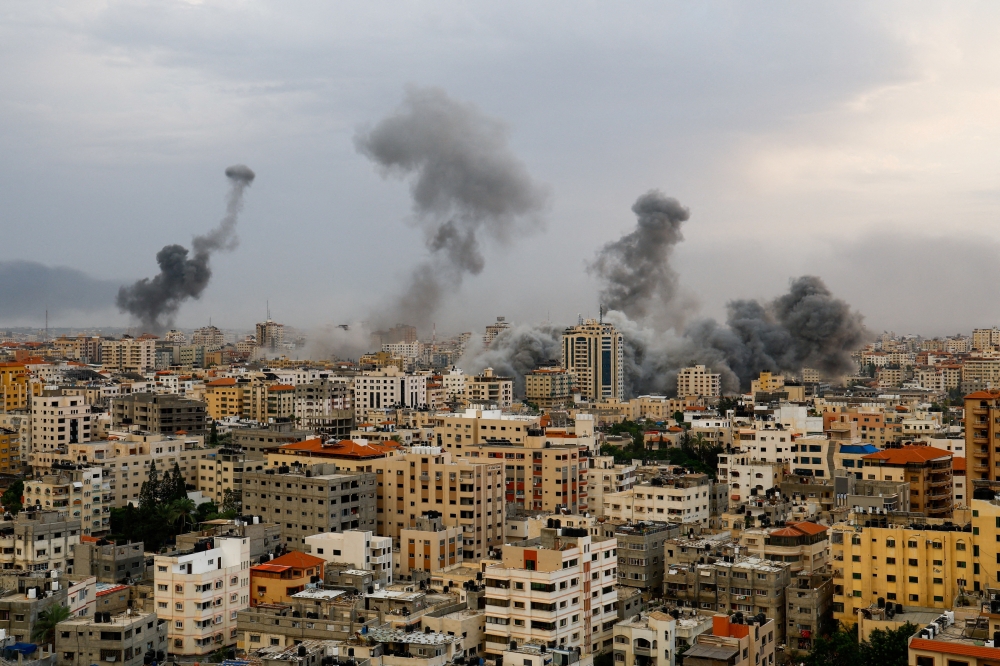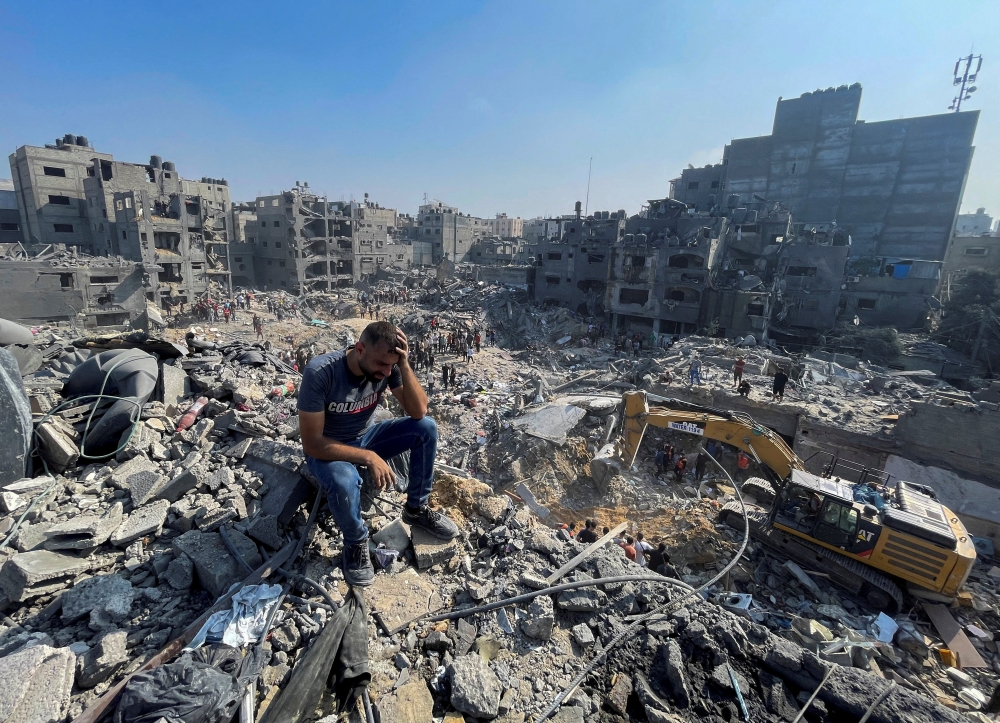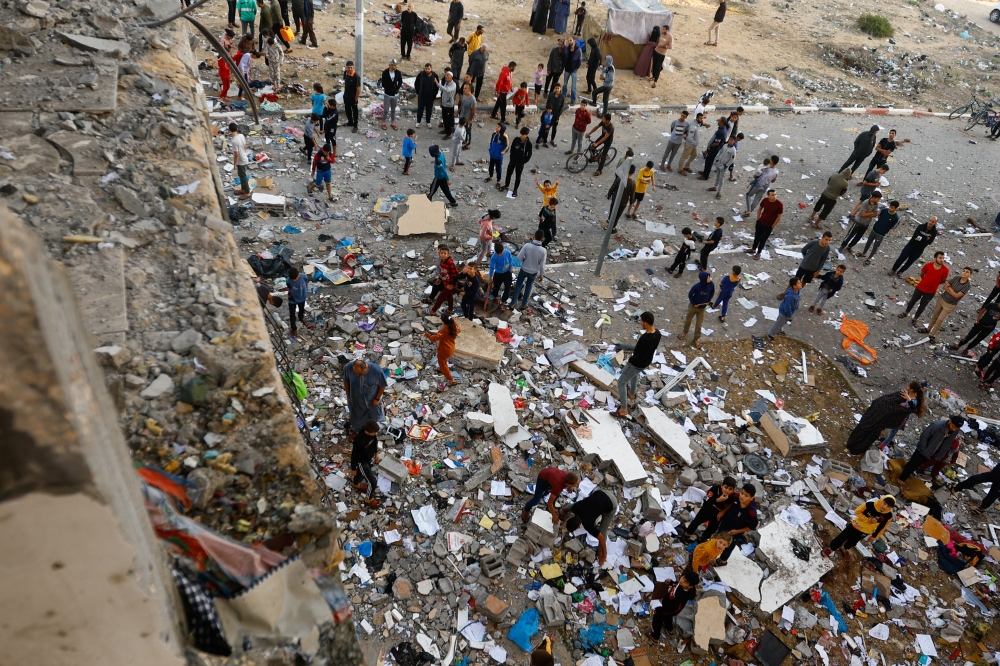





GAZA: Intense fighting raged on Saturday in the Gaza city of Khan Yunis, the main theatre of conflict where the Israeli army is targeting the Palestinian groups.
The unabated hostilities came a day after the UN's International Court of Justice in The Hague ruled that Israel must prevent possible acts of genocide in the conflict but stopped short of calling for a ceasefire.
Alarm has grown over the plight of civilians in Khan Yunis.
Witnesses reported more fierce fighting Saturday in the city, where the health ministry of the Palestinian territory said "135 martyrs arrived at hospitals due to massacres throughout the night".
The government's press office reported "massive tank bombardment since the morning" targeting a refugee camp and the Nasser hospital.
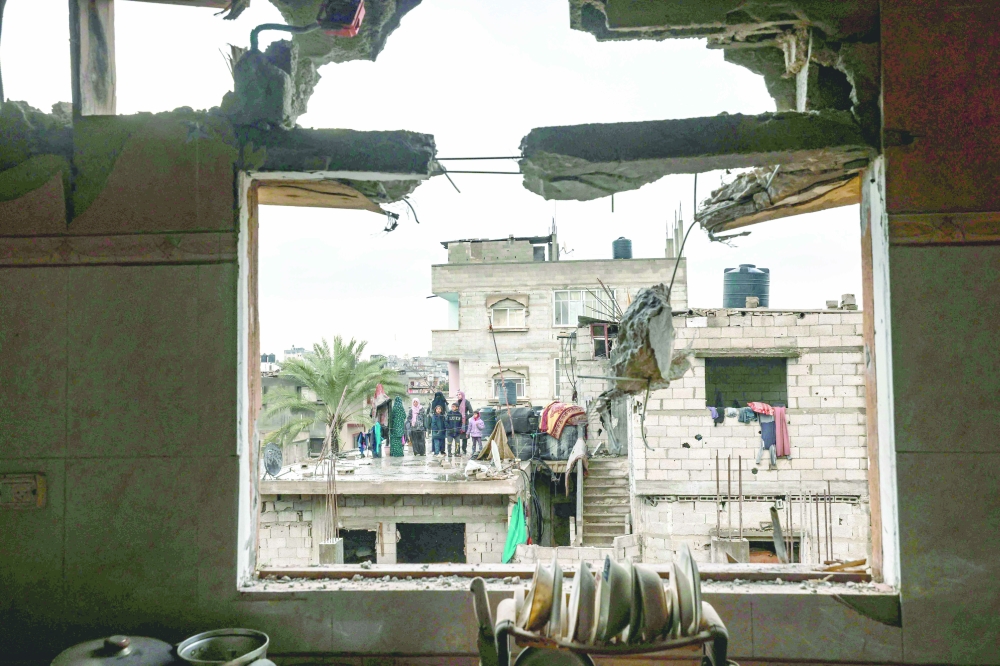
Gaza civil defence spokesman Mahmud Bassal said tens of thousands, including children, endured a night of incessant and cold rain.
The harsh weather threatened to cause the "spread of contagious diseases" and made the "humanitarian crisis worse for the two million displaced across the strip", he said.
Suhaila Asfur, a displaced woman, said that her family was unable to sleep because of the heavy rain and said: "I don't know what we will do tonight and where we will sleep".
Issuing a highly anticipated ruling on Friday, the UN's top court said Israel must prevent genocidal acts in Gaza and allow humanitarian aid into the narrow strip of land, which has been under relentless bombardment and siege for almost four months.
Israeli Prime Minister Benjamin Netanyahu rejected the case as "outrageous" while Palestinians hailed the ruling, saying it "contributes to isolating Israel and exposing its crimes in Gaza".
The decision was based on an urgent application brought by South Africa, long a supporter of the Palestinian cause, but a broader judgement on whether genocide has been committed could take years.
"This is the first time the world has told Israel that it is out of line," said Maha Yasin, a 42-year-old displaced Gaza woman.
"What Israel did to us in Gaza for four months has never happened in history."
With a humanitarian crisis growing, the UN says most of the estimated 1.7 million Palestinians displaced by the war are crowded into Rafah on the southern border with Egypt.
At Khan Yunis's Nasser Hospital, the largest in the besieged city, Doctors Without Borders (MSF) said surgical capacity was "virtually non-existent".
Diplomatic efforts have sought scaled-up aid deliveries for Gaza and a truce, after a week-long cessation of hostilities in November saw Hamas release dozens of hostages in exchange for Palestinian prisoners held by Israel. — AFP
Oman Observer is now on the WhatsApp channel. Click here