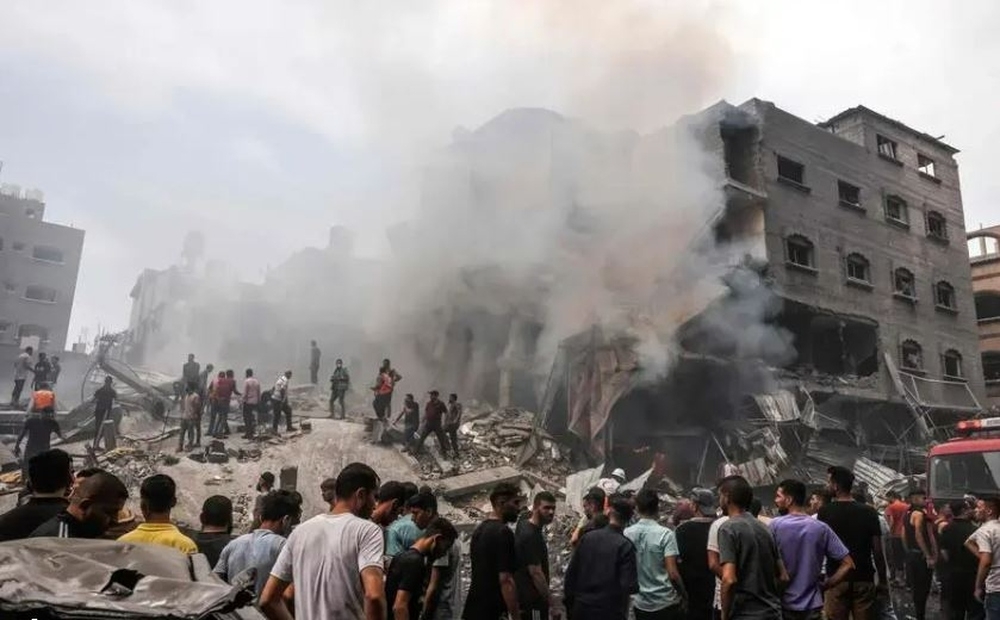





GAZA: Israeli tanks stormed back into parts of the northern Gaza Strip they had left last week, residents said on Tuesday, bringing back some of the most intense fighting since the New Year when Israel announced it was scaling back its operations there.
Massive explosions could be seen over northern areas of Gaza from across the border with Israel - a rarity over the past two weeks after Israel announced a draw-down of forces in the north as part of a transition to smaller, targeted operations.
The rattle of intense gunfire carried across the border through the night. In the morning, contrails snaked through the sky as Israel's Iron Dome defences shot down rockets fired by militants across the fence, proof they retain the capability to launch them despite more than 100 days of war.
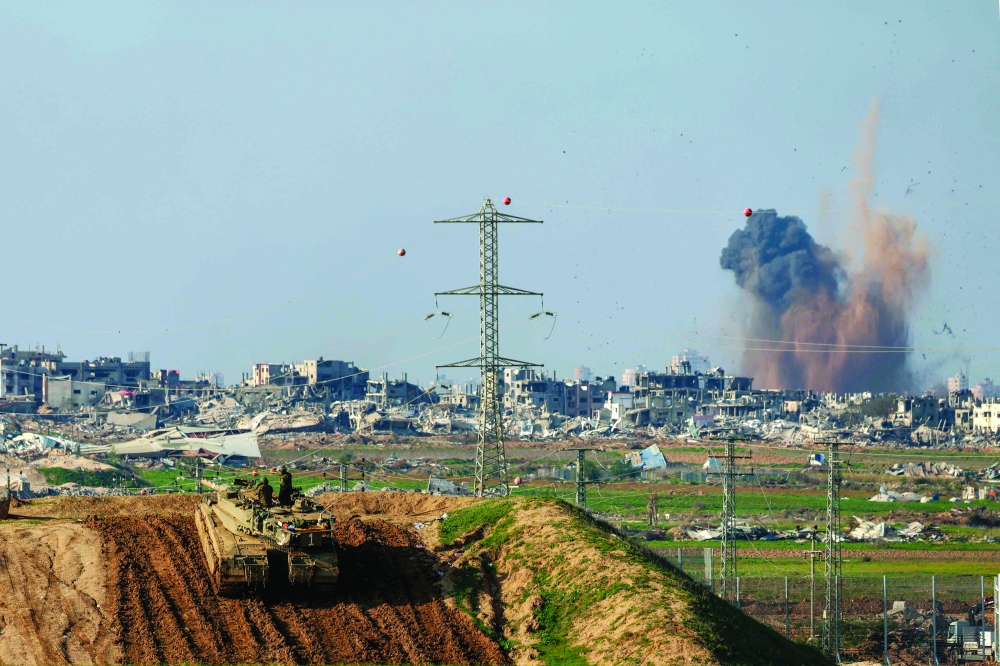
Israel said its forces had killed dozens of Palestinian fighters overnight in clashes in Beit Lahiya on the northern edge of the Gaza Strip. Gaza health authorities said the last 24 hours of Israeli bombing had killed 158 people in the enclave, raising their toll for the war, now in its fourth month, to 24,285, with thousands more bodies feared lost in the rubble.
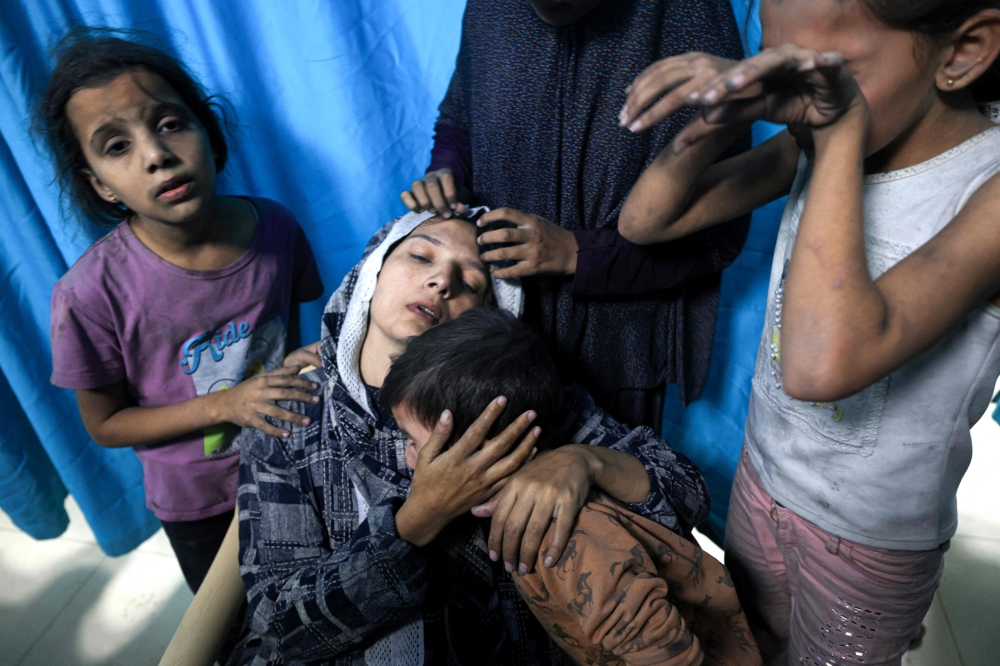
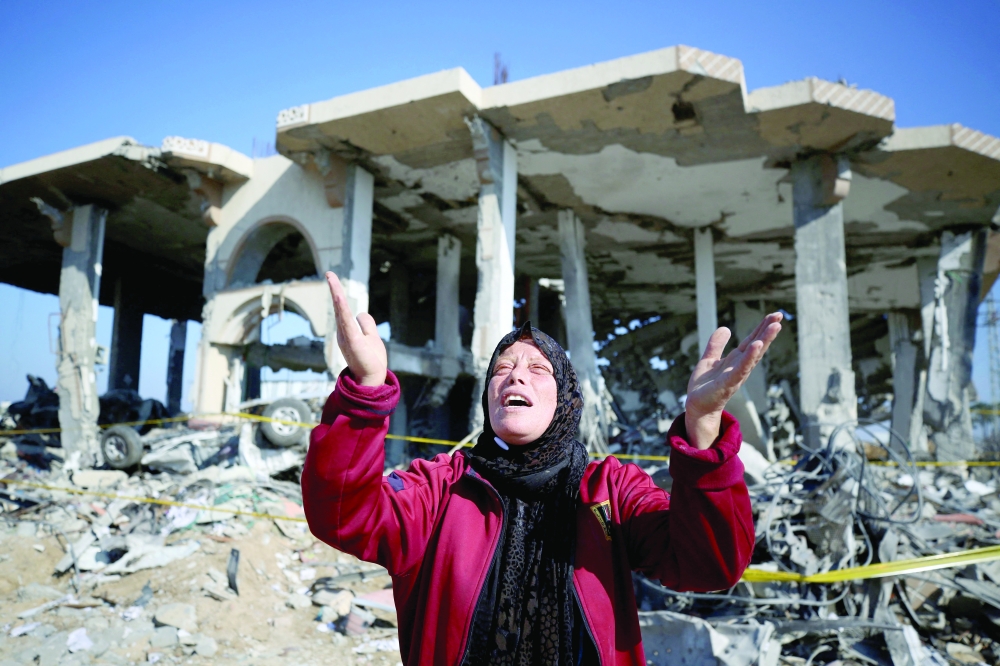
The war has driven nearly all Gazans from their homes, some several times, and caused a humanitarian crisis, with food, fuel and medical supplies running low.
Under pressure from Washington to reduce civilian casualties, Israel had said it was shifting tactics, transitioning from a full-scale ground assault to targeted operations in the enclave.
It began that shift with a pullback in the north, where its forces had begun their ground offensive in October. On Monday evening, Defence Minister Yoav Gallant also said the more recent ground assault in the south was drawing to a close.
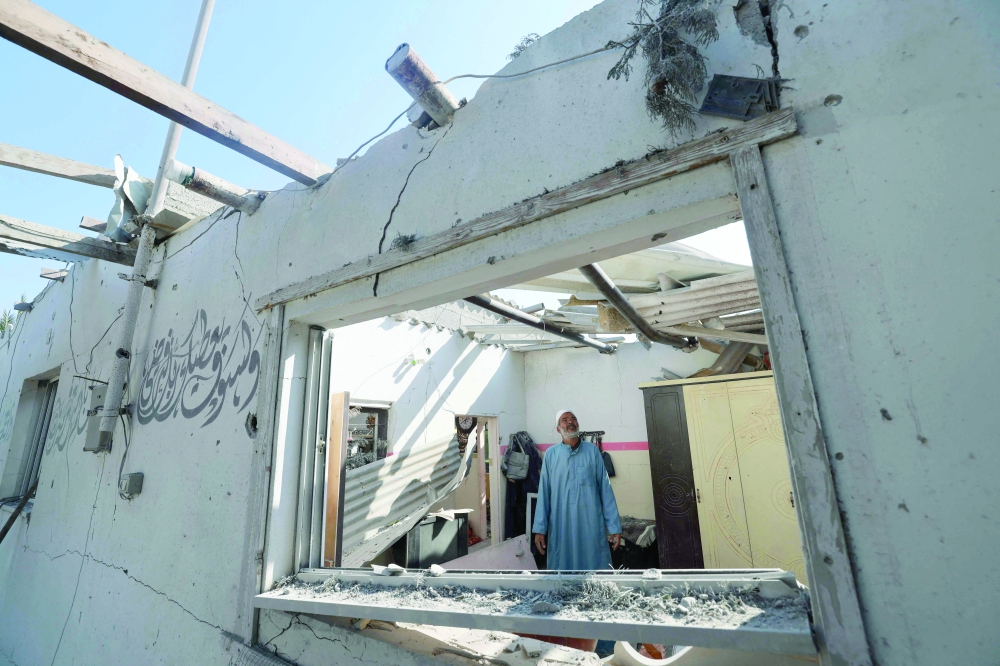
But any path toward de-escalating the war still seems remote, with Israel saying it will not halt until Palestinian groups are destroyed, and the fighters showing no sign of losing the ability to resist. Israeli officials said rockets hit an electronics shop in southern Israel on Tuesday morning. There were no immediate reports of casualties.
Some of the hundreds of thousands of residents who fled the north earlier in the war had begun returning last week to bombed-out areas where the Israelis had withdrawn. But residents who spoke to
In the south of the enclave, Israeli forces have fought their way to the centre of the main southern city Khan Younis, and into towns north and east of the central city of Deir al-Balah.
Defence Minister Gallant's announcement on Monday that the major ground offensive in the south was soon coming to an end raises the question of whether the Israelis will still try to advance into the remaining southern areas.
Most of Gaza's 2.3 million people are now crowded into the few southern areas that Israeli troops have yet to enter, including Deir al-Balah and Rafah, which is located on the southern edge of the strip. — Reuters
Oman Observer is now on the WhatsApp channel. Click here