




WASHINGTON — The Biden administration has begun pumping more than $2 trillion into U.S. factories and infrastructure, investing huge sums to try to strengthen American industry and fight climate change.
But the effort is facing a familiar threat: a surge of low-priced products from China. That is drawing the attention of President Joe Biden and his aides, who are considering new protectionist measures to make sure American industry can compete against Beijing.
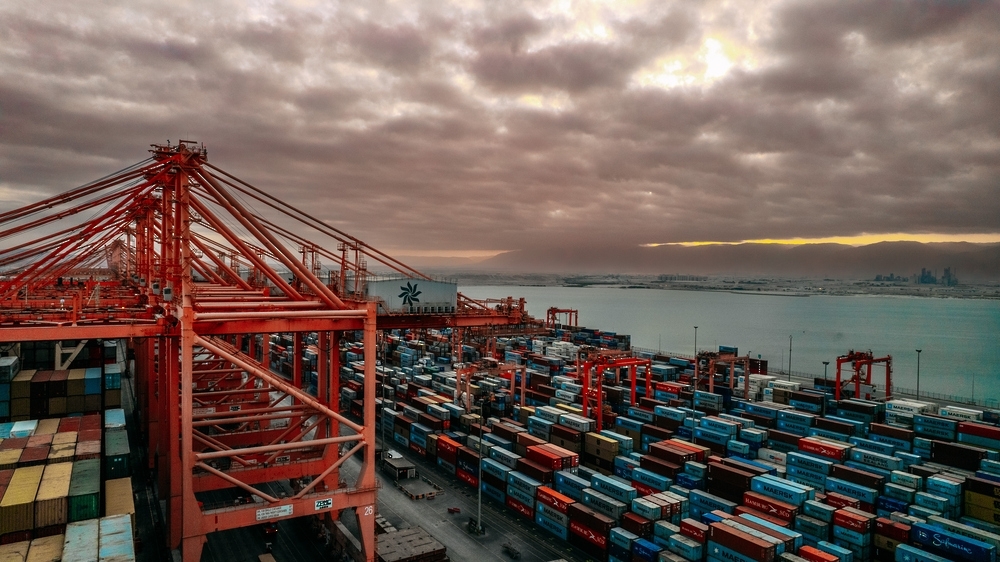
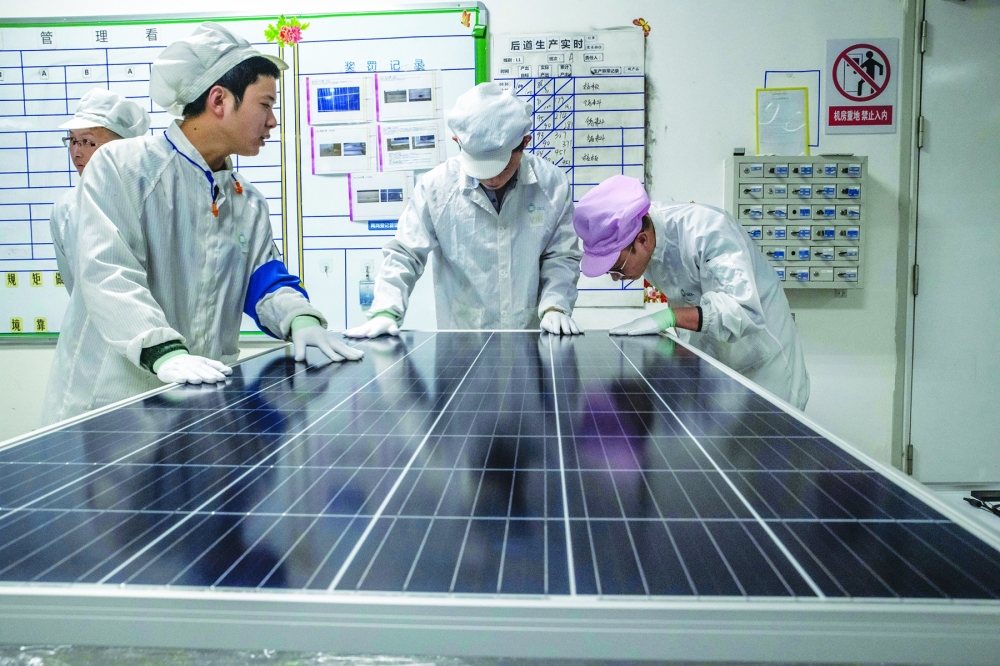
As U.S. factories spin up to produce electric vehicles, semiconductors and solar panels, China is flooding the market with similar goods, often at significantly lower prices than American competitors. A similar influx is also hitting the European market.
American executives and officials argue that China’s actions violate global trade rules. The concerns are spurring new calls in the United States and Europe for higher tariffs on Chinese imports, potentially escalating what is already a contentious economic relationship between China and the West.
The Chinese imports mirror a surge that undercut the Obama administration’s efforts to seed domestic solar manufacturing after the 2008 financial crisis and drove some American startups out of business. The administration retaliated with tariffs on solar equipment from China, sparking a dispute at the World Trade Organization.
Some Biden officials are concerned that Chinese products could again threaten the survival of U.S. factories when the government is spending huge sums to jump-start domestic manufacturing. Administration officials appear likely to raise tariffs on electric vehicles and other strategic goods from China, as part of a review of the levies President Donald Trump imposed on China four years ago, according to people familiar with the matter. That review, which has been underway since Biden took office, could finally conclude in the next few months.
Congress is also agitating for more protections. In a Jan. 5 letter to the Biden administration, bipartisan members of a House committee expressed concerns about China flooding the United States with semiconductors. Lawmakers asked whether the government could establish a new “component” tariff that would tax a chip imported inside another finished product.
That followed a November letter in which members of the same committee advised the Biden administration to consider a new trade case over China’s electric vehicle subsidies, which could result in additional tariffs on cars.
Katherine Tai, the U.S. trade representative, told the lawmakers that she shared concerns about China’s practices in the electric vehicle industry, according to a Jan. 4 letter that was shared with The New York Times. Tai told the committee that the administration needed “to work with U.S. companies and unions to identify and deploy additional responses to help overcome China’s state-directed industrial targeting in this sector.”
The United States has maintained tariffs on hundreds of billions of dollars of Chinese products over the past five years, viewing that as a way to offset Beijing’s ability to undercut American manufacturers by selling cheaper products in the United States. Biden has tried to further help American companies with billions in subsidies intended to boost U.S. manufacturing of clean energy technology such as solar panels and electric vehicles along with semiconductors.
Yet Chinese industrial policy spending still far outstrips that of the United States. Facing an economic slowdown and a gradual bursting of the property bubble, the Chinese government has recently redoubled efforts to promote exports and support its factory sector.
Beijing is particularly focused on investment in high-tech products with strategic importance, such as electric vehicles and semiconductors, said Ilaria Mazzocco, a senior fellow in Chinese business and economics at the Center for Strategic and International Studies, a Washington think tank.
“Those are also the kinds of industry the rest of the world wants as well,” she said.
Some of China’s success stems from its larger market — which gives Chinese firms the scale and opportunity to hone their products — along with its vast pool of talented engineers. China sold about 6.7 million all-electric vehicles last year, for example, compared with around 1.2 million units in the United States.
The Chinese government has said that it competes fairly and described U.S. trade measures as protectionist.
But Wendy Cutler, the vice president at the Asia Society Policy Institute and a former trade negotiator, said China’s clean energy and semiconductor industries had received a lot of state assistance, in the form of tax credits, access to cheaper energy and equity infusions.
“The list goes on and on,” she said. “As Chinese companies avail themselves of these types of systems, it just leads to overcapacity.”
By Ana Swanson and Jim Tankersley
Oman Observer is now on the WhatsApp channel. Click here