


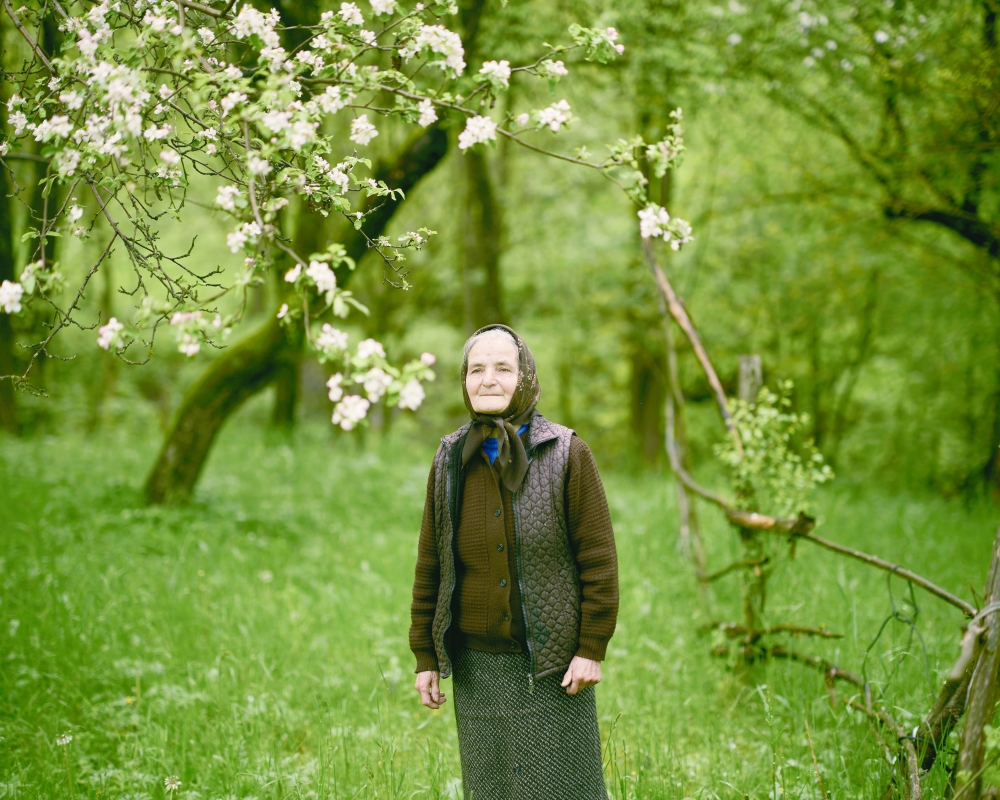





The story of the Forest of Immortal Stories begins not so long ago, in 2019, when Elena-Mirela Cojocaru, beloved wife of Ion Cojocaru, mayor of the hamlet of Nucsoara, died after a struggle with cancer. Ion Cojocaru himself soon fell ill with a heart ailment; as a remedy, his doctor told him to walk in the countryside, 6,000 or more steps a day.
Nucsoara and its 1,222 inhabitants reside on the forested slopes of the Carpathian Mountains in Romania. The Carpathians are a land of fog, fictional vampires and real-life wolves, as well as several thousand brown bears and roughly two-thirds of the remaining virgin forest in Europe.
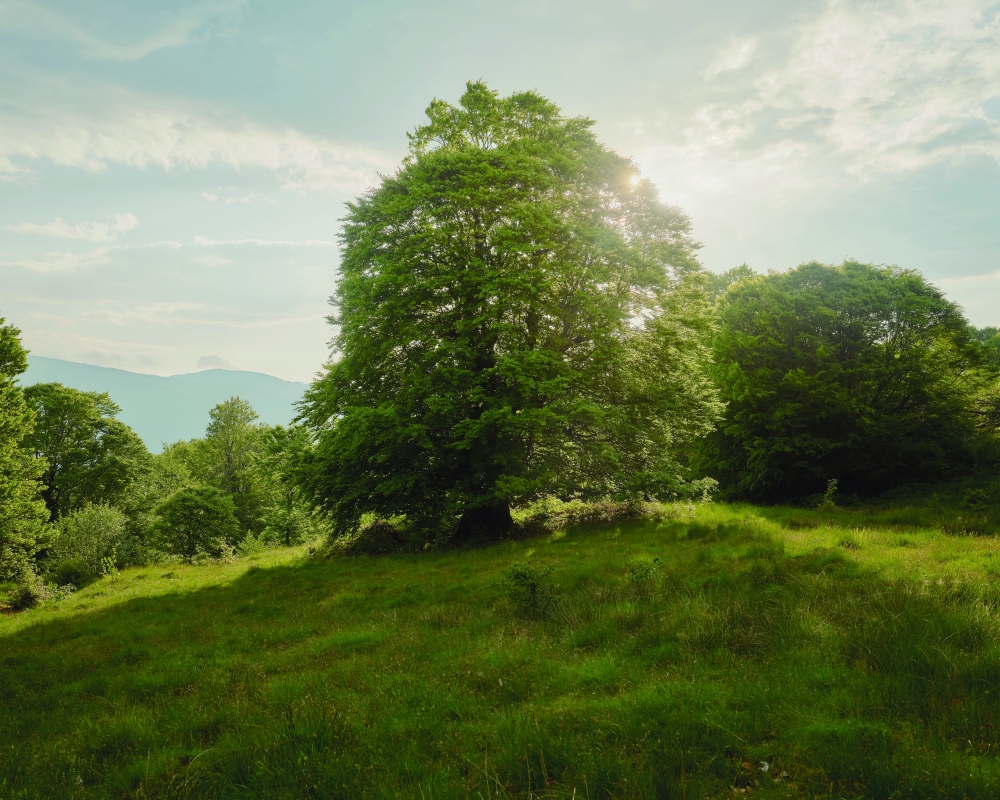
Ion Cojocaru had grown up in Nucsoara, but only as he walked the hills and the ancient pastures did he notice the trees: beeches, phantasmagorically gnarled giants, some as old as 500 years. Their beauty and strength revived him, and he felt as if they had adopted him. “The trees saved me,” he said recently.
Some ancient beeches resemble upturned brooms, hundreds of small branches rising abruptly from a thick trunk no taller than a person. The shapes embody human history. Until the region was declared protected, generations of villagers gathered firewood from the trees, pruning, or pollarding, the branches above arm’s reach. Where the trees were pruned, new shoots appeared, branched, grew and were trimmed again, year after year for centuries. The practice allowed the trees to continue bearing beech nuts, which the villagers fed to their pigs to fatten them up in autumn.
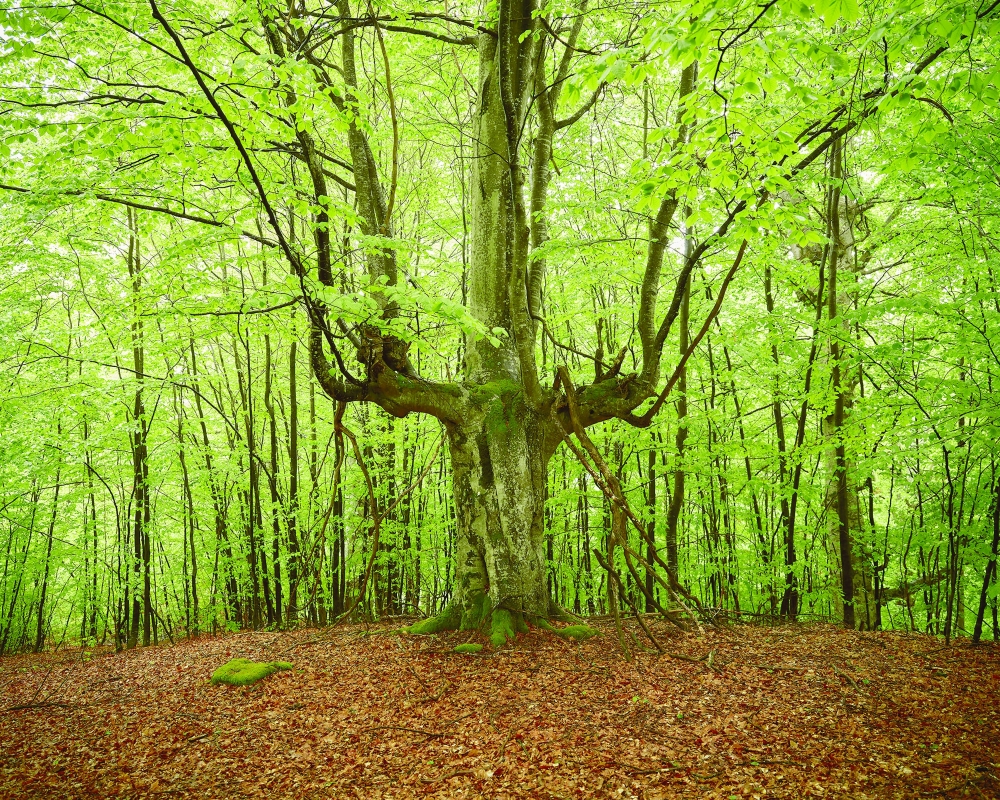
“The mightiness of these trees is mind-blowing,” said Christoph Promberger, executive director of Foundation Conservation Carpathia, a nonprofit organization that is working to create a national park in the region. Five thousand solitary secular beeches still grow around Nucsoara, the highest concentration in Europe. But logging and changing uses of the land pose a threat. Bark beetles are moving in, too.
Cojocaru and the nonprofit began discussing a plan to protect the beeches and perhaps draw ecotourism to Nucsoara. Two thousand five hundred forty-four trees were identified — he chose 2,544 because it is the height in meters of Moldoveanu Peak, the highest mountain in Romania and a day’s hike from Nucsoara. Each was given a number plate, photographed through the seasons and marked on a map with its GPS coordinates. The trees are offered for adoption on a website — although as Cojocaru insists, the tree adopts the person, not the other way around.
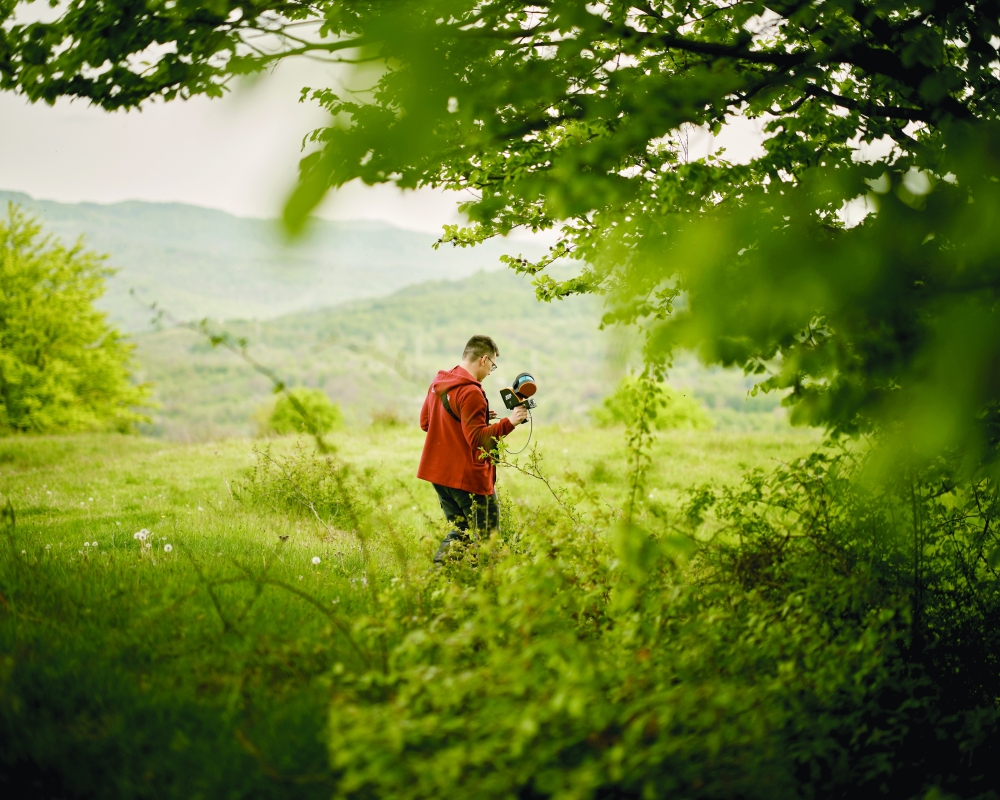
At one point a team from Forest Design, a forestry company in Brasov, came with hand-held scanners that use lidar, a laser technology, and generated 3D images of many of the ancient trees, inside and out. Digitally captured, each tree appears as fully individual as a fingerprint, and scientists can precisely track how it grows and changes. “We wanted to see how the trees evolve and move in time,” said Sergiu Florea of Forest Design.
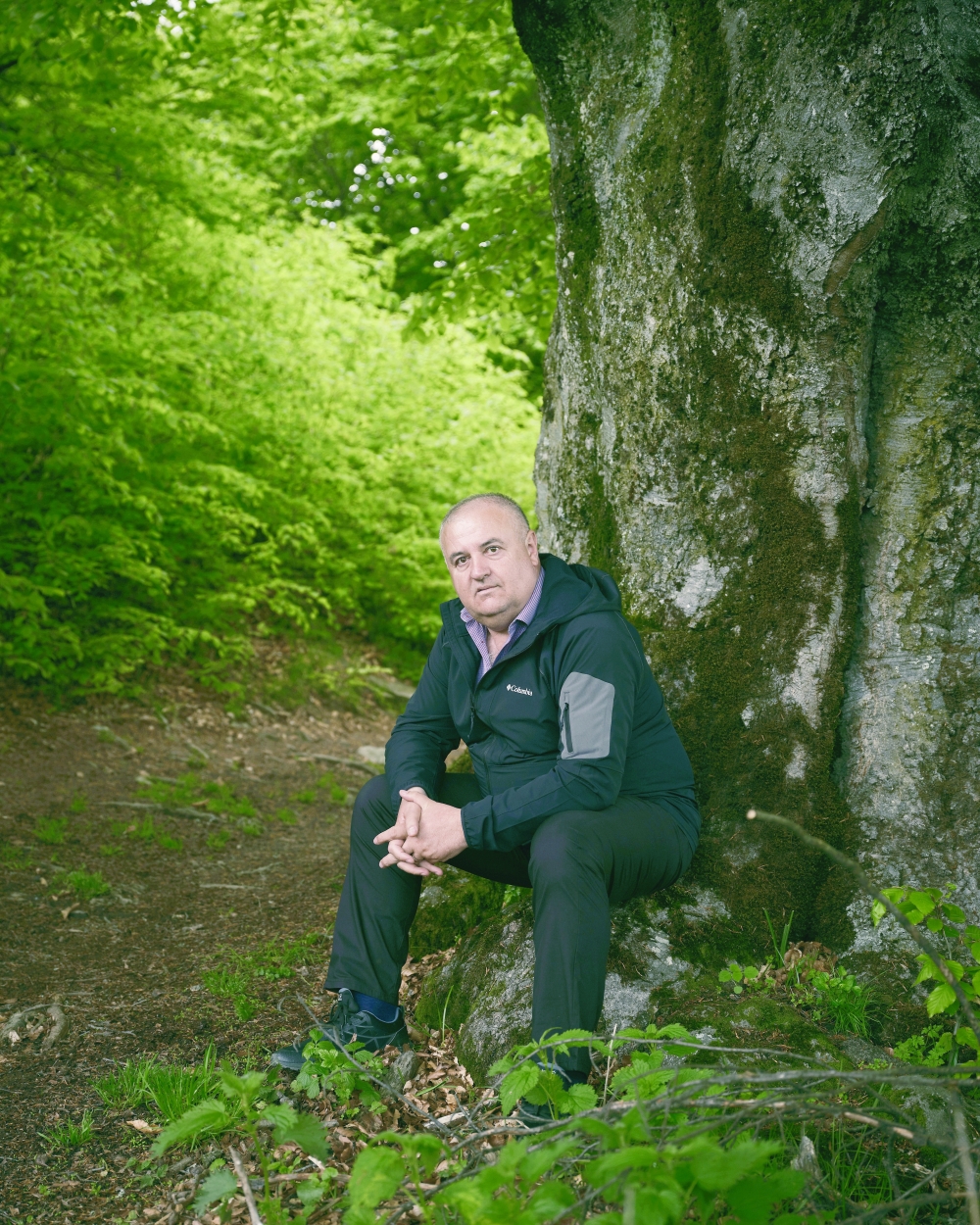
So began the Forest of Immortal Stories. For a modest fee, people can attach their own stories to a tree. When visited in person, the tree reads the narrative back through a QR code. No. 44 is Ana Maria Branza, a Romanian fencing champion who won her first national title at age 15. No. 2,224 is a daughter’s expression of gratitude on behalf of her mother, who, in 1944 at age 16, “found refuge from the Nazis hidden among the ancient trees.” No. 22 is a gift from one friend to another, a snippet of a poem by Pakistani poet Faiz Ahmed Faiz: “Give some tree the gift of green again. Let one bird sing.”
No. 2,544 adopted Ion Cojocaru.
“I get a feeling of reciprocity,” Cojocaru said of the trees. “I learn from them. I get a sense that they are old men who are very wise and want me to do good.” .— NYT
Oman Observer is now on the WhatsApp channel. Click here


