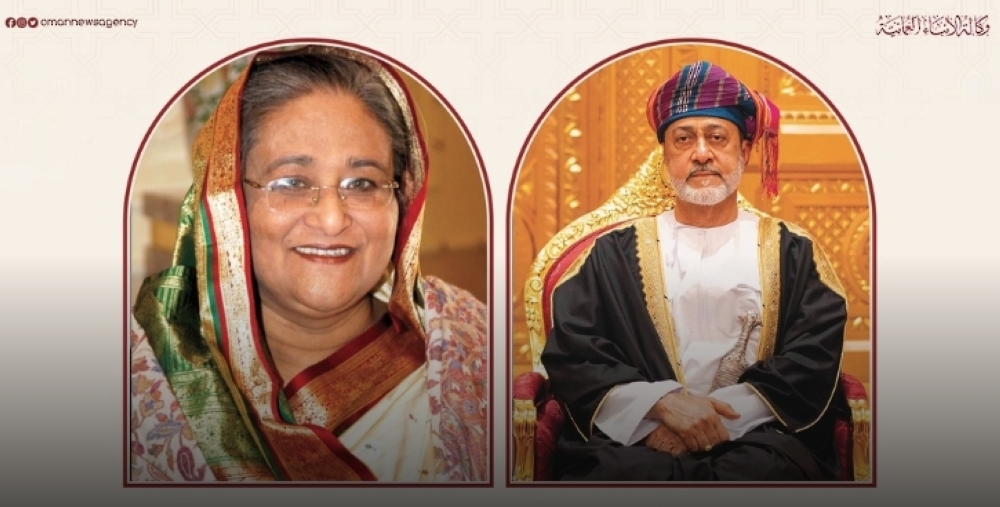
There is little doubt that Prime Minister Sheikh Hasina will seize a fourth consecutive term when Bangladesh goes to the polls today.
The bigger question is what will remain of the country’s democracy.
The main opposition party, the Bangladesh Nationalist Party, has been crushed and left with little mobilizing capacity.
Its leaders who are not already in jail are bogged down with endless court appointments or are in hiding, with the police on their tail.
Hasina’s Awami League, in power since 2009, has cleared the way for a race so one-sided that the party urged its own contestants to prop up dummy candidates so it does not look as if they won unchallenged.
The BNP has boycotted the vote, after Hasina rejected its demand that she step aside during the campaign period so the election could be held under a neutral administration.
Even as Bangladesh has appeared to be finding a path to prosperity and shedding a legacy of coups and assassinations, the uncontested election shows how politics in this country of 170 million remains hostage to decades of bad blood between the two major parties.
The possibility of violence hangs in the air.
The opposition’s effort to protest the vote, with repeated calls for nationwide strikes and civil disobedience, has been met with an intensified crackdown.
More than 20,000 BNP members and leaders have been arrested since the party’s last major rally, in October.
And if the BNP does resort to widespread violence, it will be walking into a trap.
Hasina’s party has been laying the groundwork for an even wider crackdown as it pushes a narrative that the opposition is filled with terrorists and killers.
During Hasina’s 15-year rule, her second stint in power, the country has been a paradox of sorts.
As investments in the garment export industry began paying off, the economy experienced such impressive growth that average income levels at one point surpassed India’s.
Bangladesh has also shown major strides in education, health and more.
But all along, critics say, Hasina, 76, has tried to turn the country into a one-party state. From the security agencies to the courts, she has captured government institutions and unleashed them onto anyone who does not fall in line.
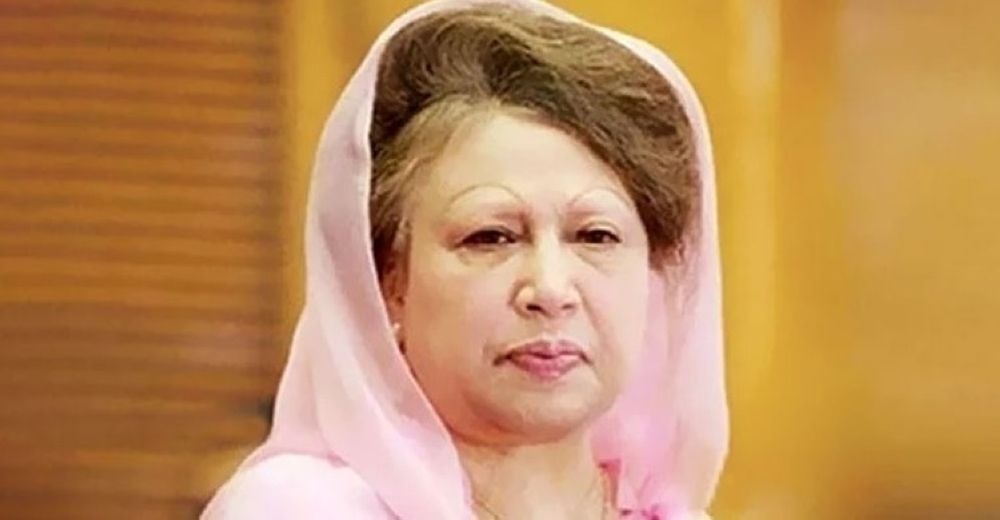
The BNP’s leader, Khaleda Zia, a former prime minister, remains under house arrest.
Her son, the party’s acting chair, is in exile in London.
Much of the party’s leadership is in jail. - The New York Times
Mujib Mashal
The writer is the South Asia bureau chief for TNYT
Saif Hasnat
The writer is an independent reporter with TNYT
Oman Observer is now on the WhatsApp channel. Click here