Energy is the heartbeat of our civilization. It transcends every sector as the life force that moves world economies forward; maintaining and expanding civilisations, and evolving the very structure of our existence.
The ease of access to energy, in its availability and its affordability, alongside its environmental sustainability is crucial to the development of our countries and our world.
Today, in the pursuit towards a sustainable energy future, policymakers and experts navigate the challenge of balancing these fundamental aspects of energy - that is, its security, its affordability and its environmental sustainability, in what is known as the Energy Trilemma.
The Annual Energy Trilemma Index was developed in collaboration between the World Energy Council, Oliver Wyman and Marsh Mclennan. Now in its 12th edition, it presents a comparative ranking of 127 countries’ energy systems.
The trilemma index assesses countries’ performance in managing these systems to assign them a ranking, grade and score, providing a benchmark to global standards and keeping track of its progress, promoting accountability, and offering valuable insight that will help shape future energy policies in our collective steps towards a carbonfree and energy balanced tomorrow.
So, where does Oman stand in our national stride towards a balanced energy system?
Ranking 41st across the 127 countries assessed in the Energy Trilemma Index 2022, The Sultanate of Oman has an overall grade of CADb. The three letters of its grading system account for energy security, equity and sustainability, respectively, and the fourth covers the remaining 10%.
Oman’s strongest pillar is that of Energy Equity, ranking 4th globally with an impressive score of 99.6/100 and a grade of (A). This is due to its positive performance in providing reliable access to affordable electricity - as is the trend in energy exporting countries such as the Middle East.
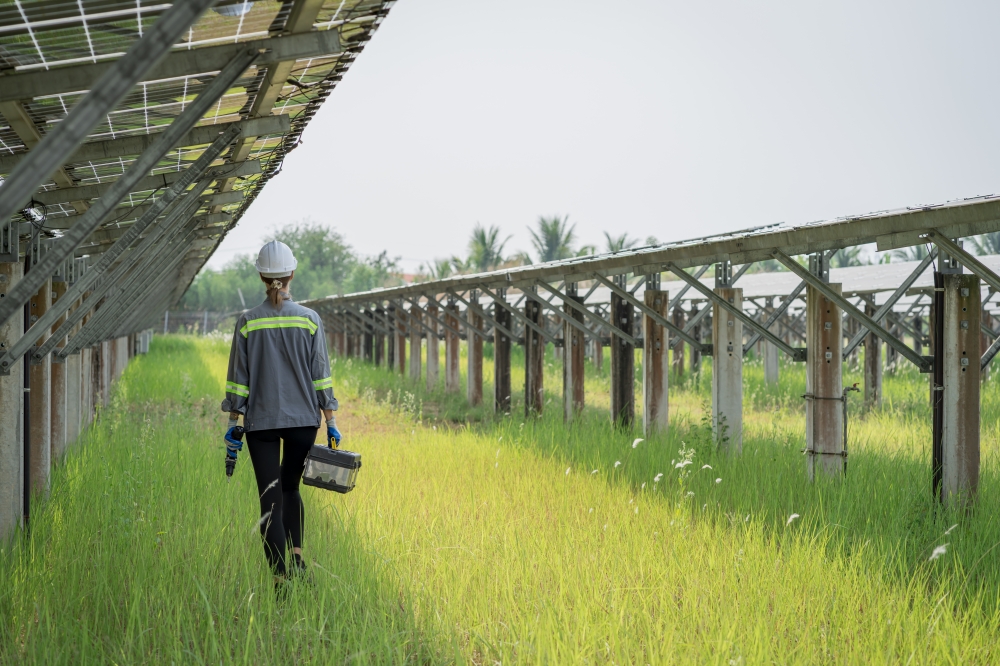
Oman’s Energy Security has a grade of (C) and a score of 52.2/100 because of its reliance on oil and the lack of diversification of the energy mix. However, this is expected to improve as it continues to diversify; unlocking its potential in the abundance of natural and water resources available, alongside expansive areas of land to be utilised for large scale solar projects that will help realise its hydrogen economy. Top performers in Energy Security are typically resource-rich countries such as those in the Organization for Economic Cooperation and Development (OECD), with their highly diversified and innovative mixes of energy and the fast adoption of renewables.
Last but not least, the final pillar- Environmental Sustainability, leaves Oman with a score of 46.1/100 and a grade of (D), reflecting the challenge of striking a balance between economic growth and environmental preservation and the efforts to manage the environmental impact of energy production and consumption; combating climate change, reducing pollution, and promoting renewable, low-carbon energy sources.
In conclusion, striking the right balance between energy security, environmental sustainability, and affordability is essential for a sustainable and resilient energy future. Through collaborative efforts and innovative solutions, it assists our course towards a more balanced and sustainable energy landscape, serving as a critical framework for navigating the complexities of energy policy in the 21st century.
Oman Observer is now on the WhatsApp channel. Click here