




MUSCAT: Oman’s Gross Domestic Product (GDP) for the third quarter of 2023 (Q3) at current prices reached RO 11.022 billion, a slight decrease of 6.5% from last year’s Q3 GDP which stood at RO 11.792 billion.
According to preliminary report issued by the National Centre for Statistics and Information (NCSI), the overall GDP of Oman for the first nine months of the year amounted to RO 31.416 billion, a decline of 3.87 per cent compared to RO 32.681 billion during last year’s first nine months.
The report highlights the challenges faced by the country’s economy, especially in the petroleum sector, while showcasing the resilience of non-petroleum activities.
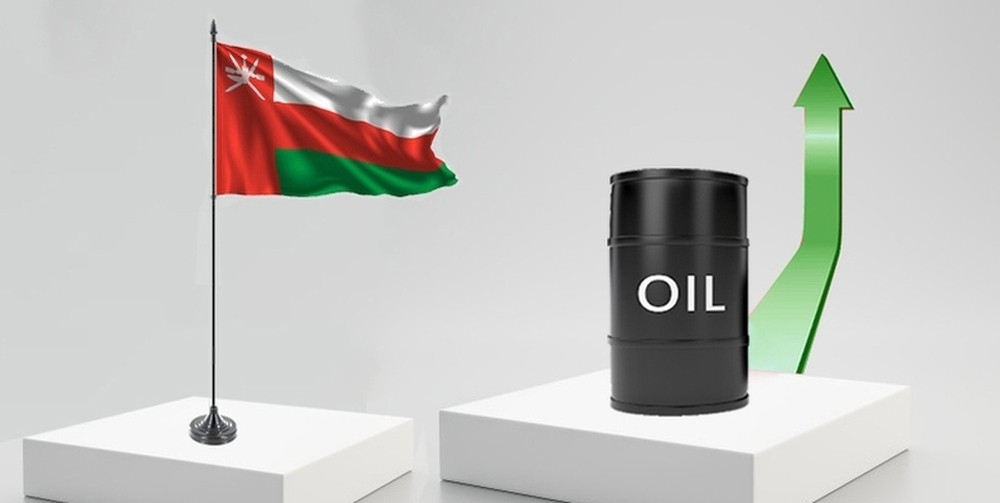
The petroleum sector, which has traditionally been a major contributor to Oman’s economy, experienced a contraction of 28.3% compared to the same period last year.
The sector generated RO 3.337 billion during the Q3 compared to last year’s RO 4.654 billion. This contraction was primarily driven by a decrease in both crude oil (-32%) and natural gas (-0.6%) production.
The decline in crude oil production can be attributed to various factors, including global energy market fluctuations and the ongoing efforts of oil-producing countries to stabilise prices.
On the other hand, the marginal decrease in natural gas production reflects a relatively stable demand for this resource.
Despite the challenging environment in the petroleum sector, non-petroleum activities demonstrated resilience during the same period. Total non-petroleum activities experienced a positive growth rate of 4.6%, indicating the diversified nature of Oman’s economy.
The sector contributed RO 8.008 billion during the Q3 2023 compared to the same period last year with RO 7.652 billion. This growth was primarily driven by agriculture, forestry, fishing (5.3%), and services activities (12.9%), showcasing their importance in sustaining economic stability.
Within the non-petroleum sector, agriculture, forestry, and fishing activities witnessed growth of 5.3% in Q3. This can be attributed to favourable weather conditions, government support initiatives, and advancements in agricultural practices.
The sector’s growth was primarily driven by an increase in crop production and improved performance in the fishing industry.
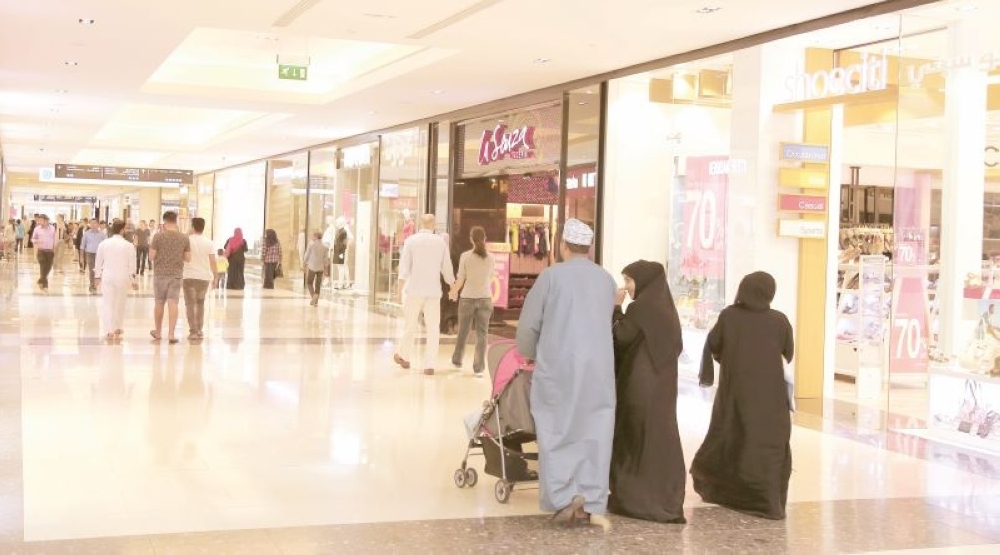
Services activities, another prominent contributor to Oman’s GDP, recorded a growth rate of 12.9% in Q3. The sector generated RO 5.937 billion during the Q3 compared to last year’s RO 5.257 billion.
This growth was propelled by various subsectors, including wholesale and retail trade (6.8%), transportation and storage (2.7%), and financial and insurance activities (6.8%).
The resilience of these sectors highlights the ongoing efforts to diversify Oman’s economy beyond oil and create sustainable sources of income.
However, not all sectors within the non-petroleum category fared well. The industry activities segment witnessed a decline of 15.2% in Q3. The sector contributed RO 1.868 billion during the Q3 compared to RO 2.202 billion during the same period last year.
This can be attributed to a significant decrease in manufacturing (-24.2%) and the negative growth in mining and quarrying (-1.9%). Factors such as supply chain disruptions, global economic uncertainties, and reduced demand for certain manufactured goods contributed to these contractions.
Current prices refer to the actual prices of goods and services at a given point in time. They reflect the prevailing market conditions, including inflationary factors.
Oman Observer is now on the WhatsApp channel. Click here