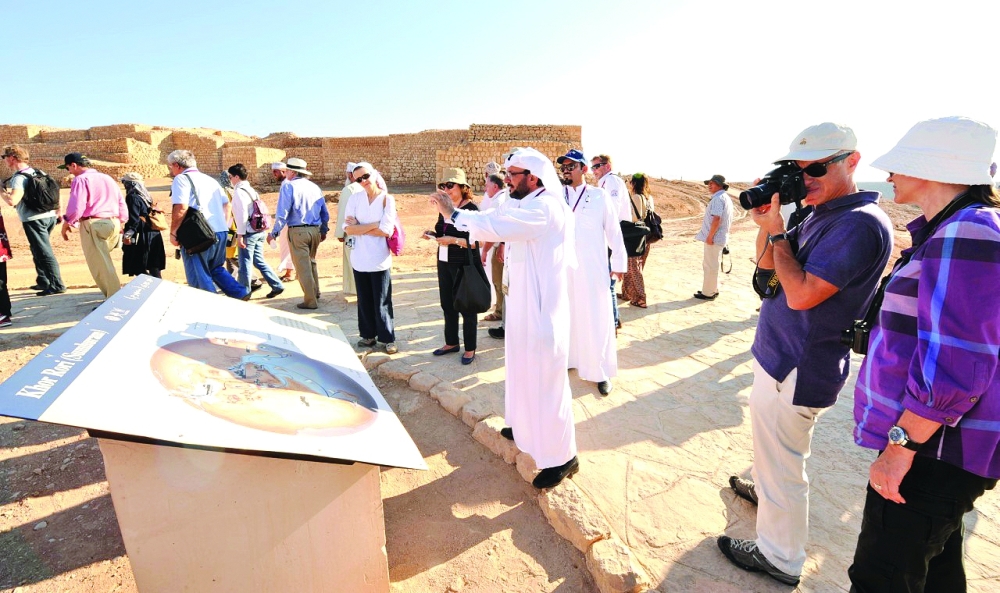
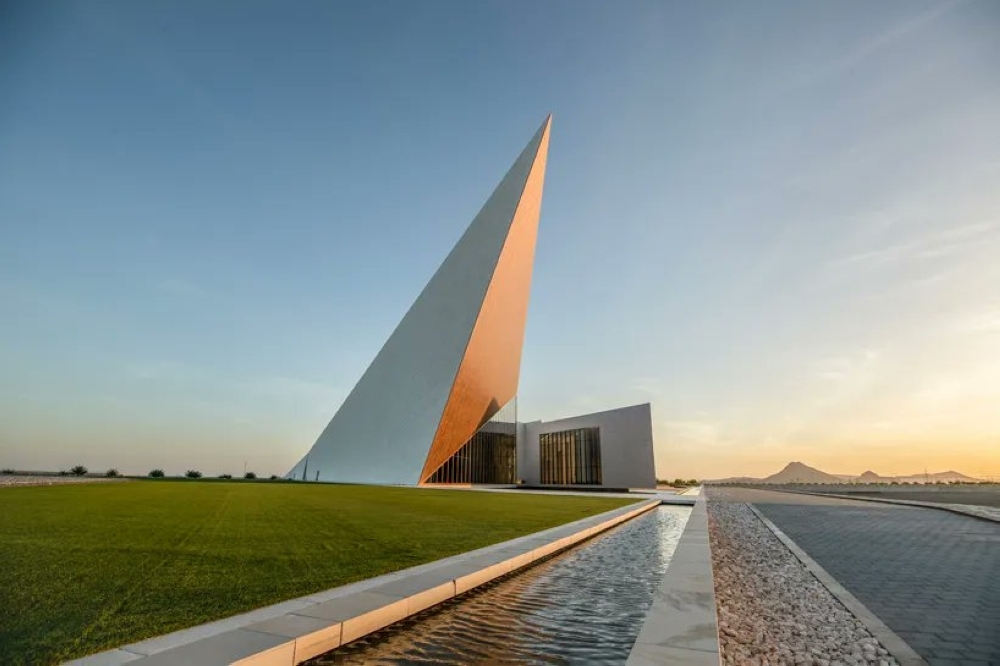





The Sultanate of Oman has five world heritage sites listed in Unesco as it is rich in archeological sites across its land, the remnants of its past talk about civilizations of different eras. It is a mine of history from the north to south and from east to west.
There is one place in Oman where one can learn and experience all of these different elements. This is the famous museum called Oman Across Ages, located in Manah, Governorate of Dakhiliyah. Manah is 160 km from Muscat and about 20 minutes drive from Nizwa.
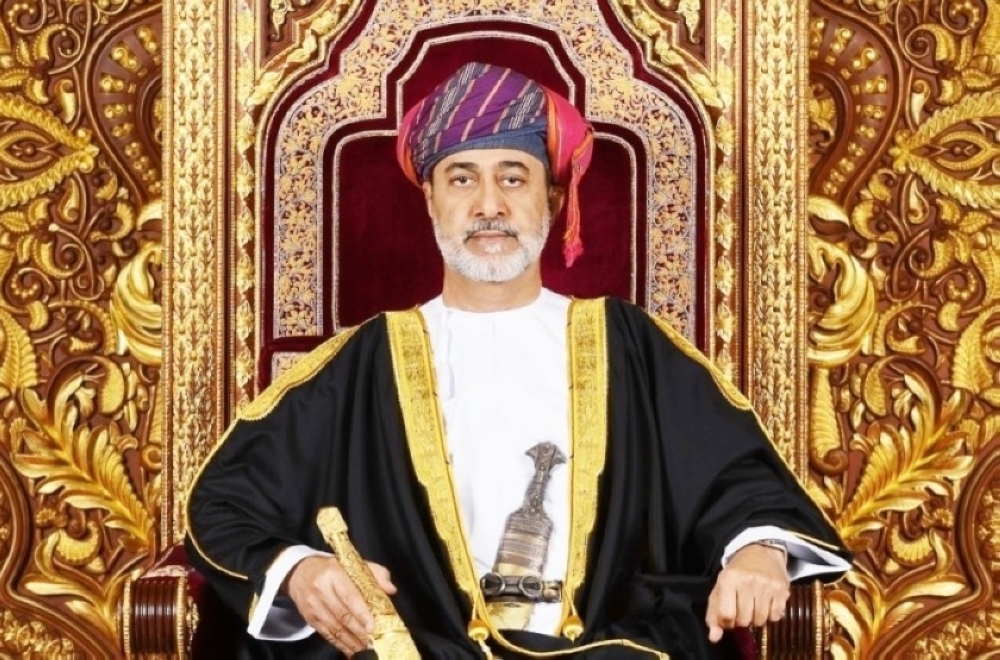
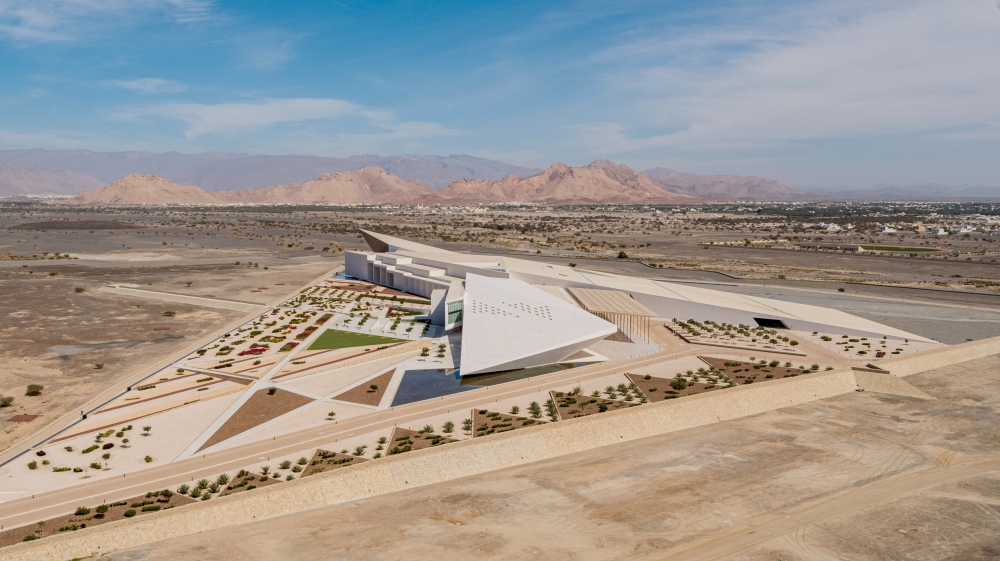
In 2015, the late Sultan Qaboos had laid the foundation stone for the museum. The museum occupies an area of 300,000 square metres. Its design is inspired by Al Hajar Mountains. In March 13, 2023, His Majesty Sultan Haitham bin Tarik inaugurated the Oman Across Ages Museum.
The museum takes the visitor through the country’s rich natural history, civilization, culture, personalities, society and economic development through time. Since it’s opening, the museum has established itself as a prominent educational and cultural landmark of Oman. The two major halls of the museum are the History Hall and the Renaissance Hall.
The museum narrates stories of millions of years ago including the journey of the land from grassland to desert, when Oman‘s climate underwent dramatic changes during the early Stone Age at a time when the sea level had varied more than 1.5 m and what we see today as desert were then tropical grassland or Savannah.
Studies of the soil layers revealed an increase in rainfall between 8000 and 5000 BCE. The museum tells us that this period coincided with a sharp increase in human activity and then came the establishment of coastal settlements. It was around 5000 BCE when Oman‘s climate entered the hot, dry face that is still ongoing today.
An interesting story that the museum tells us is of the ostrich egg shell that was found at Rub Al Khali, the Empty Quarter, which dates back to 7000 BCE. This egg provided evidence that ostriches were among the different species living in Oman 9,000 years ago, when the land was mainly tropical grassland or Savannah - “Ostriches were part of the diet then. Their eggs were used as water containers or worked into beads as jewelry.”
Meanwhile, Oman’s caves open windows into the distant past, the cave system is among the largest in the world.
They are found in the mountainous areas from Musandam in the north to Dhofar in the south. Being limestone the water has sculpted them in various ways and the geological wonders inside the caves range from waterfalls, cave pearls and fossils of extinct animals. The cave have been unique habitats for bats, insects and rare population of blind fish.
The museum takes us even beyond with a display of first organisms - “Bacteria were the first form of life on earth. Emerging in shallow waters around 700 million years ago, they formed mats and domes (stromatolites), Bacteria produced oxygen and thus created conditions needed for the rise of multi - celled organisms. A video clearly depicts the journey of Tethys.
The History Hall has series of pavilions - The Land of Oman, Early Settlers, The Civilisation of Magan, The Kingdom of Magan, Maritime Heritage, Aflaj Irrigation, Embracing Islam, The Al Yaaruba Dynasty and The Al Busaidy Dynasty.
The History Hall also relates various events to their historical epochs, with two basic features taking prominence, which are Maritime Heritage and Aflaj (a traditional irrigation system).
The geological formation of the Land of Oman and the Stone Age are represented in the Early Settlers pavilion, the Bronze Age is seen through the Civilisation of Magan pavilion, while the Iron Age is represented in the Kingdom of Oman pavilion.
The pavilions of the different ages exhibit various aspects of daily life. An emphasis has been given on Ras Al Hamra and Ras Al Jinz and their relationship with seasonal migrations, maritime communication, copper trade and the construction of the Aflaj system.
Interestingly the museum also takes you through all ages and then reach to the beginning of modern renaissance in 1970.
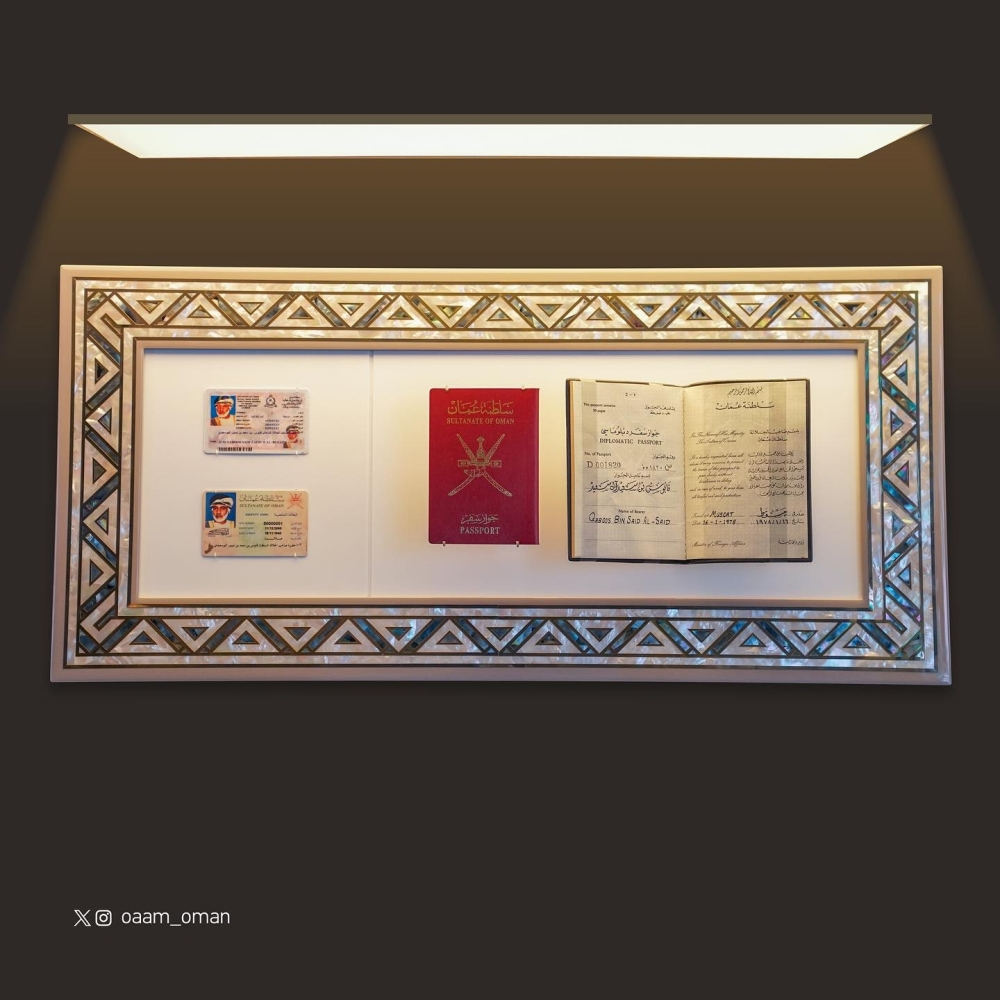
The museum states “As part of building his vision for a modern Oman, Sultan Qaboos bin Said valued close contact with his people and regarded himself as one among them.
He established a thorough civil status registration process for all citizens and residents from which he himself was not exempted, as his personal documents demonstrate. On display at the museum are the civil documents of Sultan Qaboos such as the diplomatic passport of 1978, passport, identity card, and vehicle driving license.”
One can also sit down and listen to the first speech of His Majesty Sultan Qaboos. The modern Renaissance saw an expansion in all sectors such as finance and one can see the evolution of currency notes, education, health, and especially media. There is a whole section dedicated to the growth of media from the beginning stages of media bringing in an element of nostalgia.
Oman Observer is now on the WhatsApp channel. Click here