




MUSCAT: The Sultanate of Oman has witnessed an array of significant research projects from its citizens in various fields and topics, raising the research culture within the country.
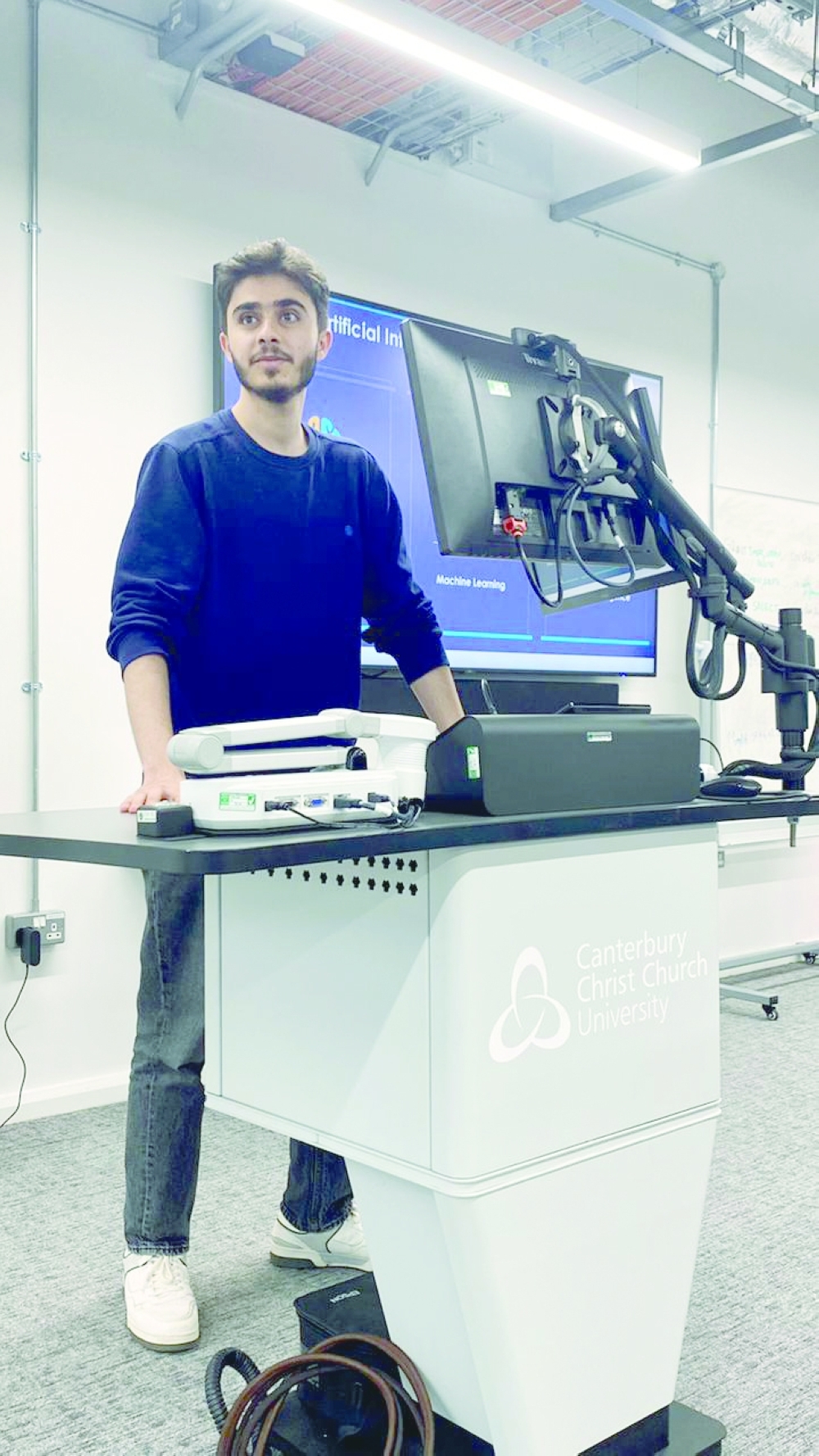
‘Techno-economic feasibility of retired electric-vehicle batteries repurpose/reuse in second-life applications: A systematic review’ by Mohammed bin Khalifa al Alawi, a PhD candidate at Canterbury Christ Church University, is one of the studies that expressed the capabilities of researchers of the Sultanate of Oman.
According to him, the research project evaluated state-of-art modelling/experimental studies focused on repurposing Retired EV Batteries (REVB) in second- life applications.
The research team identified that repurposing REVB holds significant potential in addressing the unreliability of cleaner energy technologies and mitigating the high investment required for new storage systems. REVB can be effectively utilised for alternative applications such as energy storage, energy arbitrage, and frequency regulation.
Al Alawi and the team confirmed the technical and economic viability of repurposing REVB through the research project. They found that hybrid systems incorporating photovoltaics (PV) are particularly promising, with successful attempts at evaluating REVB performance in providing grid services. However, he stated that certain applications like frequency regulation pose technical challenges, affecting the degradation of batteries which requires further exploration.
The research team also identified the lack of market regulation on REVB resale and the absence of standardisation of technical parameters such as State of Health (SoH) and State of Charge (SoC). These factors are decelerating the full potential of repurposing REVB which necessitates urgent attention to establish market regulations and testing standards.
The study clarified that 35 per cent of the cost of a fresh lithium battery may be adopted as a rough indicator for the pricing of REVB when sold directly in the market. The study also affirmed that repurposing REVBs will remain highly economically viable even if the price of new batteries decreases in the future.
According to Al Alawi, the impact of the findings of the research project is multifaceted. He mentioned that for the research community, the systematic review consolidates the existing knowledge on repurposing REVB and serves as a valuable reference for future studies. It identifies key technical challenges and highlights the opportunities for improving and optimising second-life applications. Researchers can build upon the findings to develop innovative strategies and technologies for utilising REVB effectively.
Moreover, the research has direct implications for industry stakeholders. By showcasing the technical and economic viability of repurposing REVB, the research team provided insights that can guide investment decisions and business strategies. The findings instil confidence in the market for repurposed batteries, stimulating greater adoption and driving innovation in second- life applications.
The research team also suggested that governance authorities involved in the EV and energy sectors can benefit from the research project. The identification of market regulation and standardisation as urgent requirements emphasises the need for policy interventions. Establishing clear regulations and standards for pricing, quality, and performance will create a conducive environment for the growth of the repurposing sector, contributing to sustainability goals and the development of a circular economy.
Al Alawi concluded that the study sheds light on the potential of repurposing retired electric vehicle batteries and highlights the importance of market regulation and standardisation for second life batteries. The research team believes that their findings provide valuable insights to the research community, industry stakeholders, and governance authorities, supporting efforts to advance sustainable energy storage solutions.
This research paper was published in Energy and Climate Change journal by Elsevier as open access. The research team included Mohammed al Alawi, Dr James Cugley, and Dr Hany Hassanin.
Oman Observer is now on the WhatsApp channel. Click here