




In 2021, it seemed as if Mars had a surprisingly big heart. Scientists had been using InSight, a robotic lander to study the planet’s insides. The spacecraft had listened to enough marsquakes to develop a picture of the layer-cake nature of the Martian underworld.
The crust and mantle were not especially strange. The core, however, was too large, and not very dense, for such a small planet. For some researchers, that core measurement didn’t ring true.
“We missed out on something,” said Amir Khan, a geophysicist at ETH Zurich in Switzerland who has studied InSight’s data. “But what?”
It turns out Mars’ core is small after all, Khan and other researchers have found.
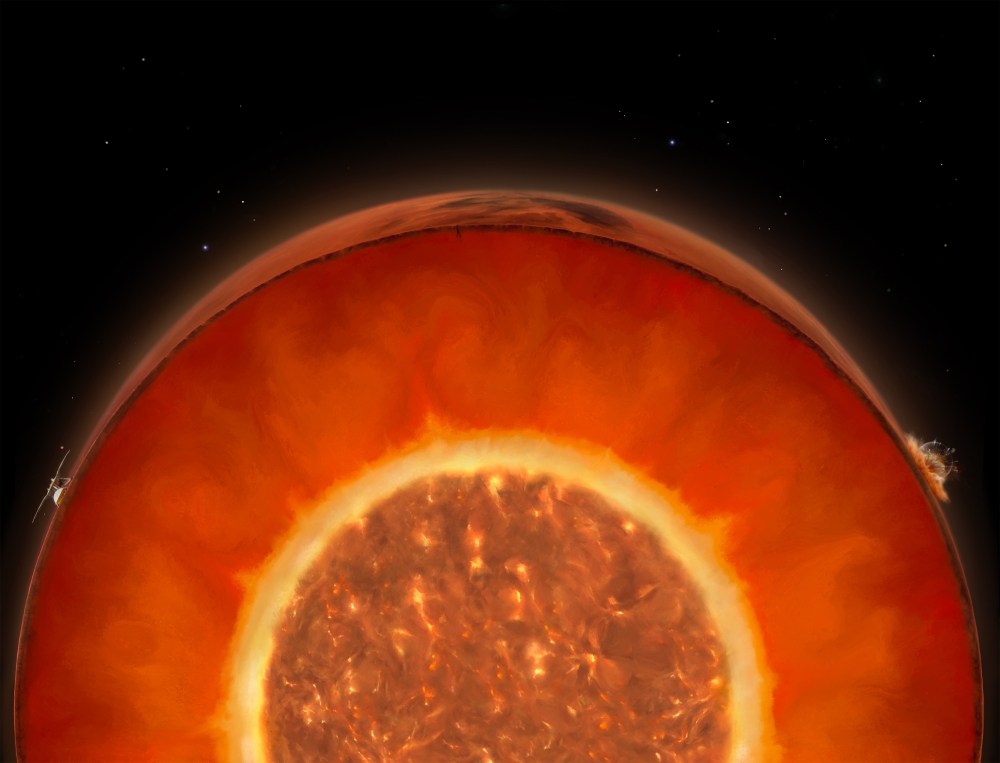
In two new studies, researchers re-evaluated InSight’s seismic record. Both teams independently concluded that Mars’ core is more like our own world’s heavy metal heart than previously suspected. The initial higher-size estimate was a result of an undetected 90-to-125-mile-deep ocean of molten rock, which made the underlying core seem bigger than it is.
But the deep sea of magma, hidden below Mars’ solid mantle and kept molten by radioactive elements, is exotic. “It does not exist on Earth,” Khan said, and its presence may require a rethink of the red planet’s chaotic evolution.
Scientists have studied Earth’s geologic layers for more than a century using the illuminating power of quake-made seismic waves. — NYT/ ROBIN
Oman Observer is now on the WhatsApp channel. Click here