




JERUSALEM/GAZA: Israel battered Palestinians in Gaza on Sunday after suffering its bloodiest day in decades when Hamas fighters rampaged through Israeli towns, with hundreds killed on both sides and spiralling violence threatening a major new Middle East war.
In a sign the conflict could spread beyond blockaded Gaza, Israel and Lebanon's Hizbullah exchanged artillery and rocket fire, while in Alexandria, two Israeli tourists were shot dead along with their Egyptian guide.
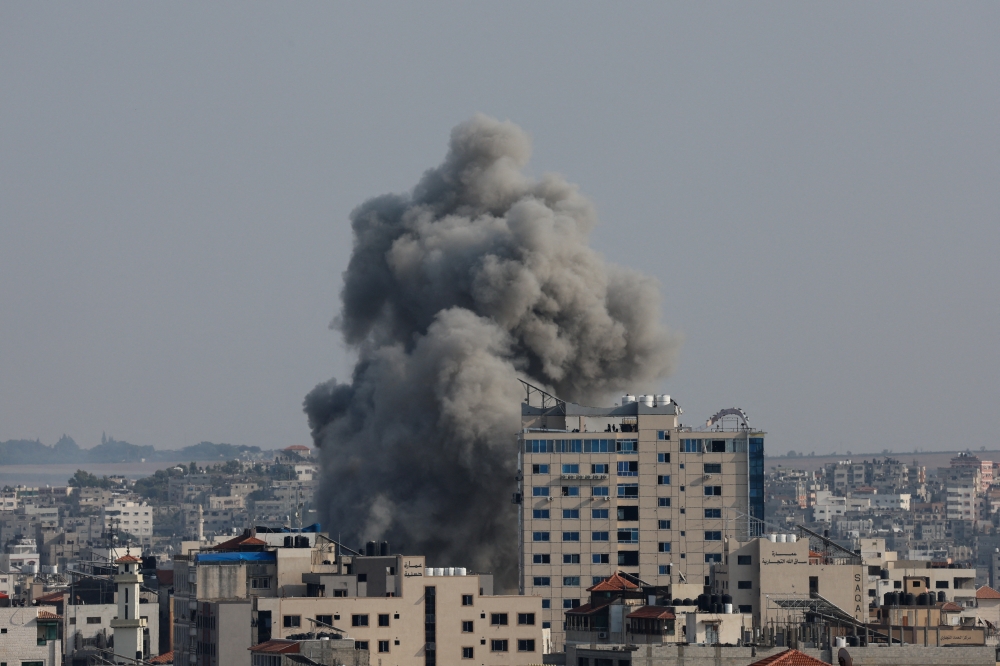
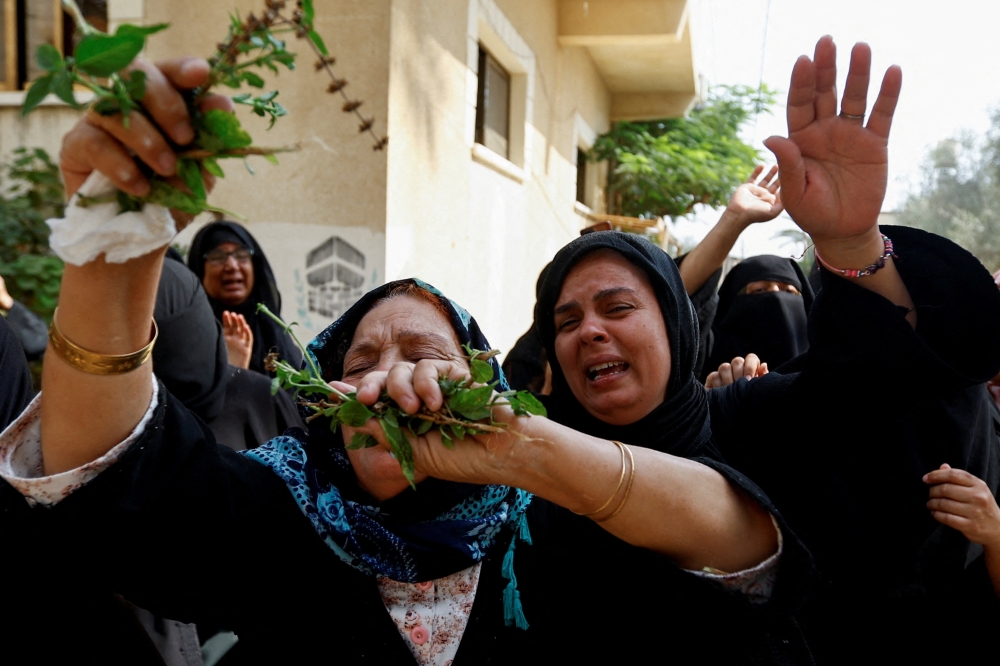
Israeli air strikes hit housing blocks, tunnels, a mosque and homes of Hamas officials in Gaza, killing more than 300 people, including 20 children, as Prime Minister Benjamin Netanyahu vowed "mighty vengeance for this wicked day".
In southern Israel, Hamas gunmen were still fighting Israeli security forces 24 hours after a surprise, multi-pronged assault of rocket barrages and gunmen who attacked army bases and towns, killing at least 600 people, according to Israeli TV, and abducting dozens more.
"My two little girls, they're only babies. They're not even five years old and three years old," said Yoni Asher who had seen video of gunmen seizing his wife and two small daughters, with her phone location now appearing in Gaza, he said.
Israel's military, which faces questions over its failure to prevent the attack, said it was still fighting but had regained control of most infiltration points along security barriers, killed hundreds of attackers and taken dozens more prisoner.
"We're going to be attacking Hamas severely and this is going to be a long, long haul," an Israeli military spokesperson told a briefing with reporters.
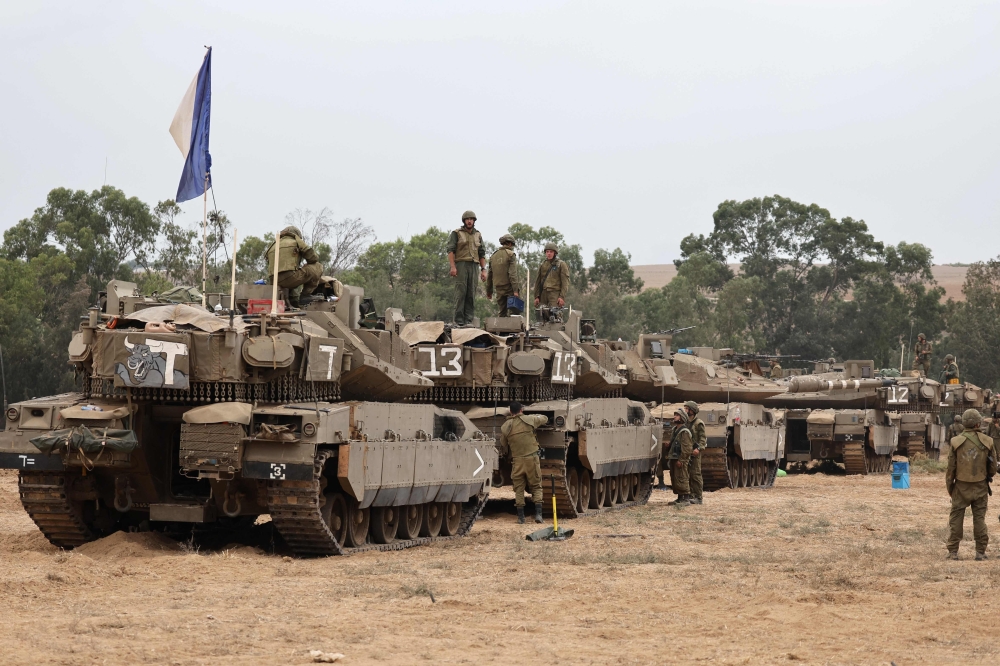
The military said it had deployed tens of thousands of soldiers around Gaza, a narrow strip that is home to 2.3 million Palestinians, and was starting to evacuate all Israelis living around the frontier of the territory.
"This is my fifth war. The war should stop. I don't want to keep feeling this," said Qassab al Attar, a disabled Palestinian in Gaza whose brothers carried him to shelter when Israeli forces shelled their house.
The attack by Hamas launched at dawn on Saturday represented the biggest and deadliest incursion into Israel since Egypt and Syria launched a sudden assault in an effort to reclaim lost territory in the Yom Kippur war 50 years ago.
The conflict could undermine US-backed moves towards normalising relations between Israel and Saudi Arabia - a security realignment that could threaten Palestinian hopes of self determination and hem in Hamas' main backer.
The debris from Saturday's attack still lay around southern Israeli towns and border communities on Sunday morning and Israelis were reeling from the sight of bloodied bodies lying on suburban streets, in cars and in their homes.
Palestinian fighters escaped back into Gaza with dozens of hostages, including both soldiers and civilians. Hamas said it would issue a statement later on Sunday saying how many captives it had seized.
About 30 missing Israelis attending a dance party that was targeted during Saturday's attack emerged from hiding on Sunday, Israeli media reported.
The capture of so many Israelis, some filmed being pulled through security checkpoints or driven, bleeding, into Gaza, adds another layer of complication for Israeli Prime Minister Benjamin Netanyahu after previous episodes when hostages were exchanged for many Palestinian prisoners.
Hamas fired more rocket salvoes into Israel on Sunday, with air raid sirens sounding across the south, and the Israeli military said it would combine an evacuation of border areas with a search for more gunmen.
Netanyahu's office said his security cabinet had approved steps to destroy "for many years", the military and governmental capabilities of Hamas and IJ, another group that has said it is also holding captives, including cutting electricity, fuel supplies and the entry of goods into Gaza.
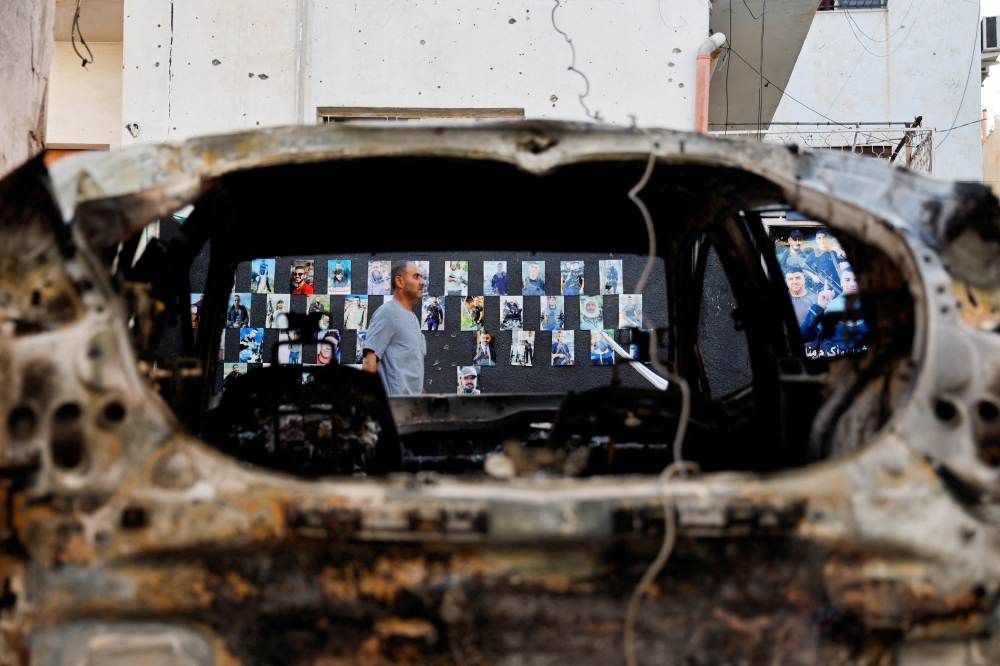
Israeli air strikes on Gaza began soon after the Hamas attack and continued overnight and into Sunday, destroying the group's offices and training camps, but also houses and other buildings. Hamas said Israel had cut off water to some areas.
Palestinian health officials said 313 people had been killed in Gaza and nearly 2,000 wounded in the retaliatory strikes.
More than 20,000 Palestinians in the Gaza have sought refuge in schools run by the United Nations, the UN's Palestinian refugee agency said.
Black smoke, orange flashes and sparks lit the sky from explosions. Israeli drones could be heard overhead. Unlike in some previous rounds of strikes, Israel's military did not give advance warning of strikes on residential buildings. - Reuters
Oman Observer is now on the WhatsApp channel. Click here