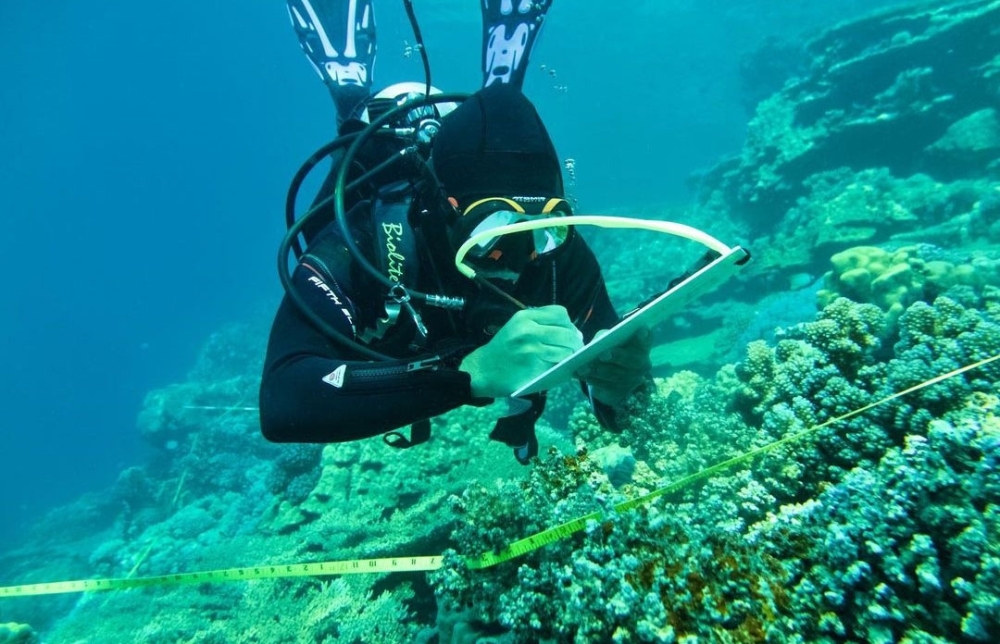





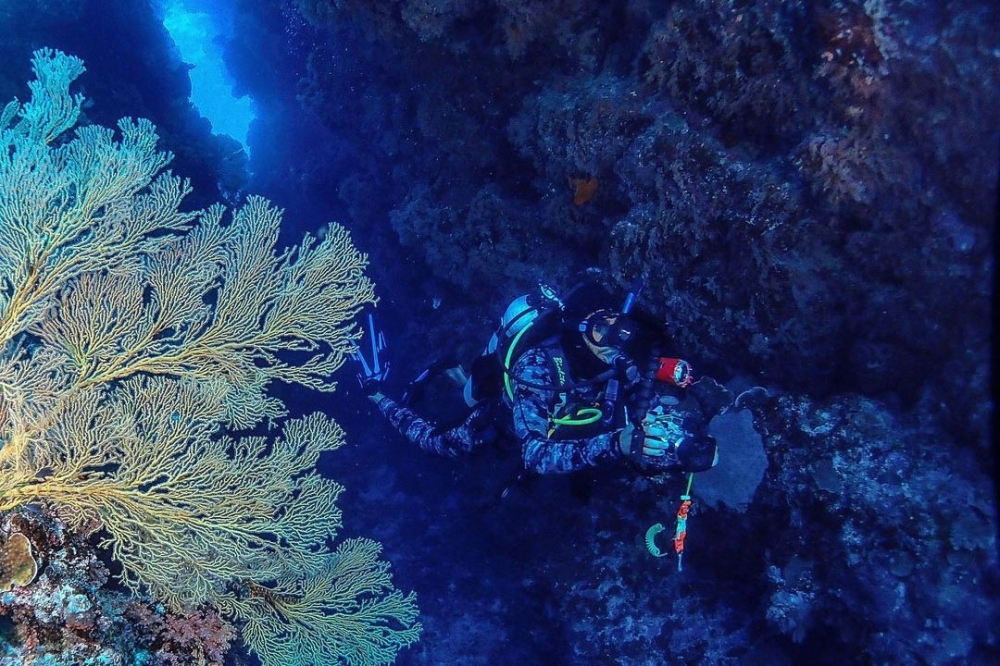
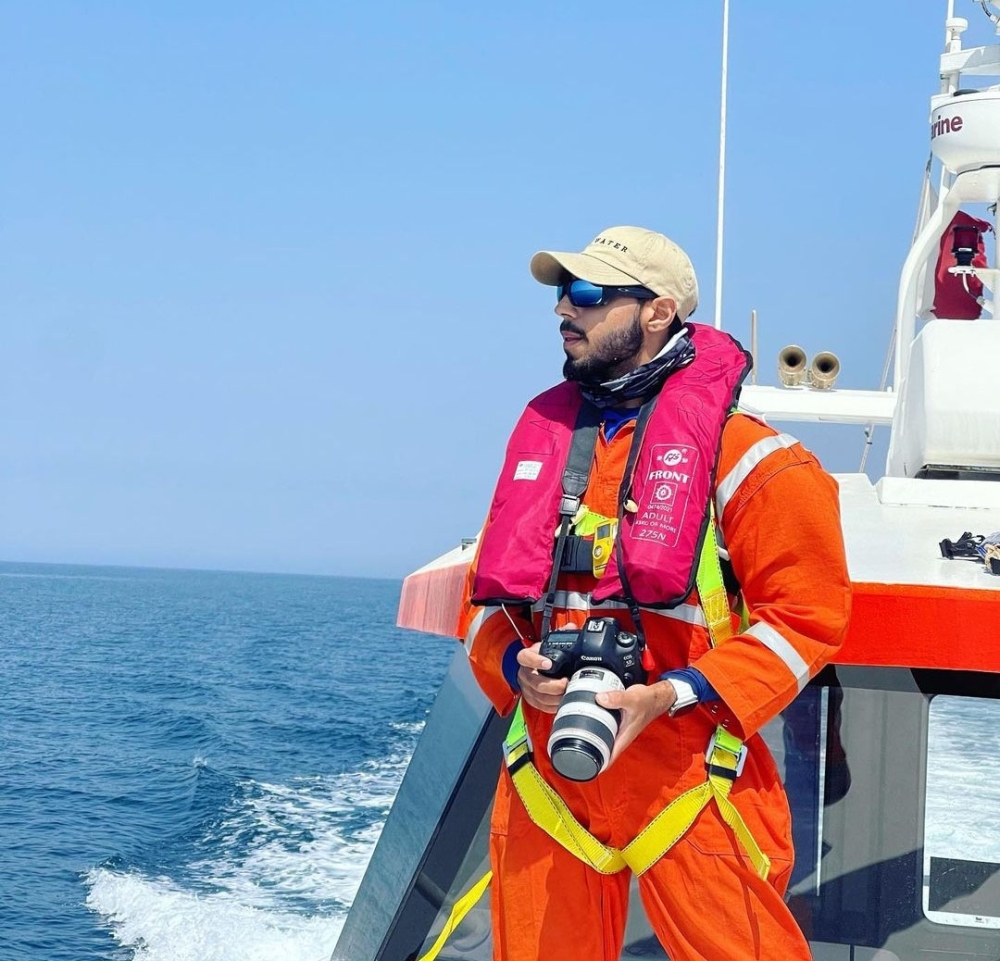
The vast blue expanse of the ocean can be mesmerizing. It’s home to an unparalleled range of marine life, from the tiniest plankton to blue whales. But with great beauty comes an even greater responsibility, as I learned during the various surveys I conducted as a marine specialist in the Red Sea and Arabian Peninsula. I have learned that conservation is not just about numbers or ecosystems; it’s deeply intertwined with our core values as human beings. And sometimes, it takes a single encounter to cement this belief.
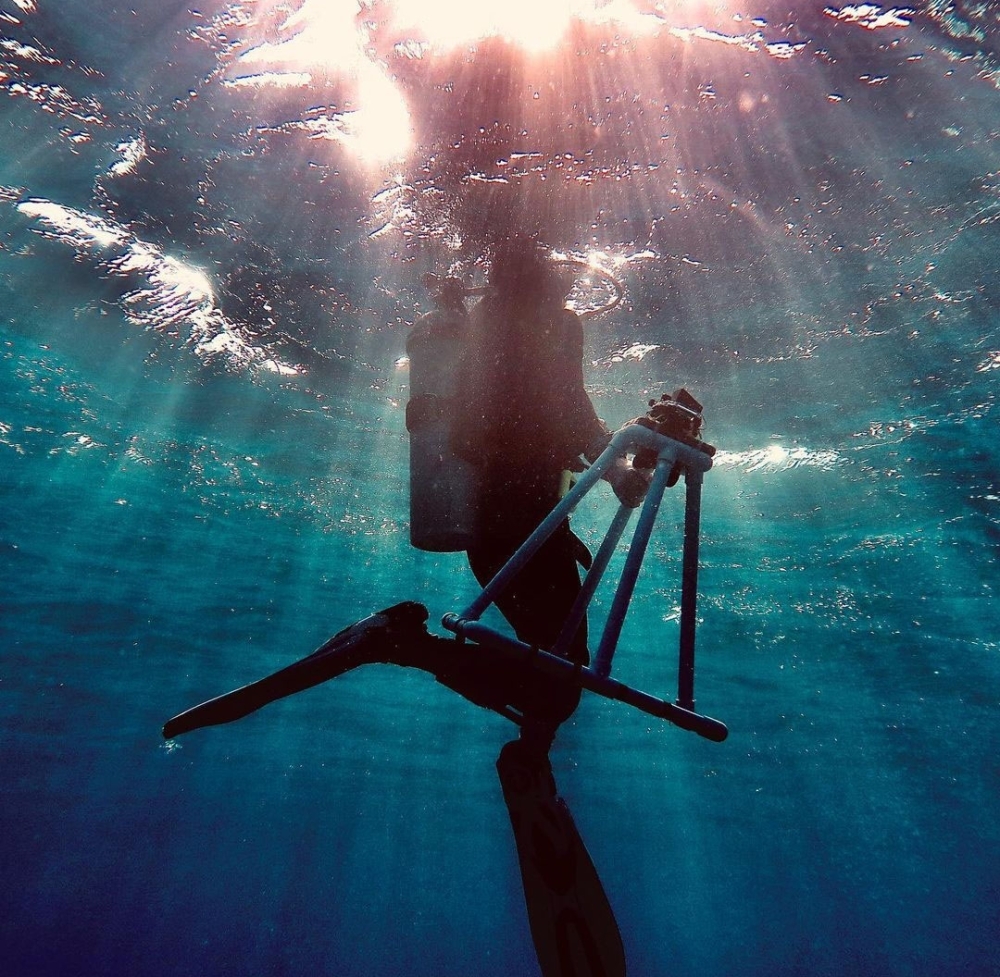
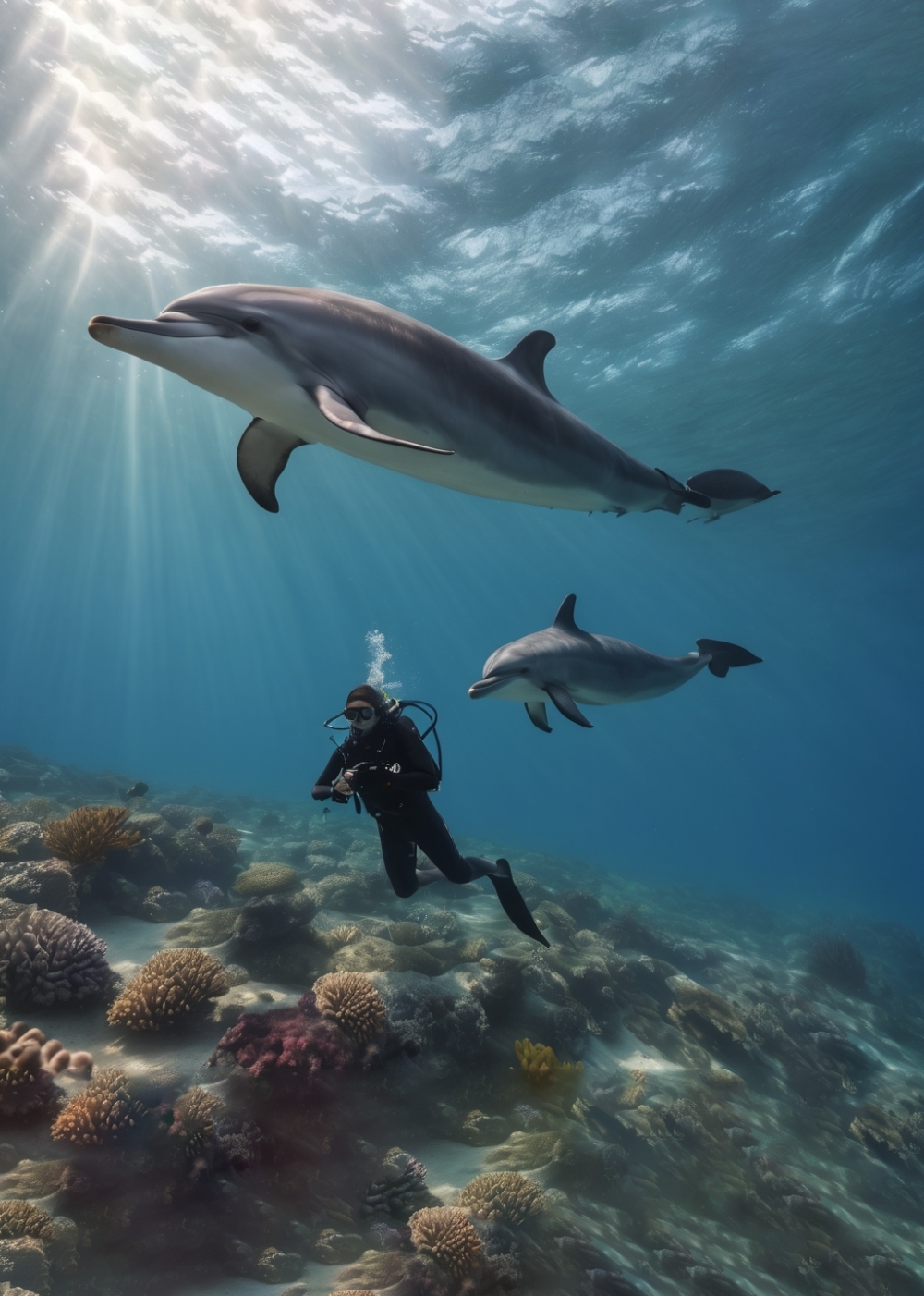
In one of my recent whale and dolphin surveys in the Red Sea, my team and I came across an awakening scene. We came across a dolphin, distinctively marked by missing a chunk of its dorsal fin, which is often the case when they are hit by a passing vessel. As the dolphin came by and swam gently by us, stating its presence, I noticed something bizarre. The dolphin also had the misfortunate luck of being born with a deformity, causing it to be blind. This dolphin, which was fighting all odds to survive living in solitude and separated from its pod due to its injuries, gave us a stark reminder of the resilience of nature and the consequences of human interference.
This encounter was a paradigm shift for me. How many times have we unwittingly passed by animals suffering silently from injuries or adapting against the odds to the challenges we, directly or indirectly, inflict upon them? How many of them have been affected by polluted waters, entangled in fishing nets, or injured by marine vessels?
But more than just an eye-opener about the state of our oceans, the blind dolphin became a symbol for me—a symbol of the deeply ethical responsibility we owe to the marine world and, by extension, to our planet. Every organism and every species, regardless of their size or perceived importance, has an intrinsic value. A value that we, as stewards of this planet, are duty-bound to protect and cherish.
Why? Because conservation isn’t only about maintaining ecological balance or ensuring resources for future generations. At its core, conservation is a humanitarian act. The health of our oceans directly impacts our well-being, from the air we breathe to the food we eat. And if that isn’t reason enough, then the sheer wonder, beauty, and mystery of marine life should be.
Humanitarianism, traditionally associated with alleviating human suffering, has to be broadened to include all sentient beings. Our blue planet, 70% of which is covered by oceans, is a shared home. If a blind, injured dolphin strives to live, it is not just because of its biological instincts but also because of its sheer will to be a part of this shared story of life.
In addition to the intrinsic value that philosophers often debate, which states that every creature has a right to exist, irrespective of its utility to humans, the concept of intergenerational justice comes to mind. The degradation of marine life and ecosystems would rob future generations of the aesthetic, economic, and nutritional benefits the ocean provides (just to name a few). Ensuring the preservation of the ocean is a way to uphold our ethical obligation to those who come after us.
Finally, the degradation of marine ecosystems can primarily be attributed to human actions such as overfishing, pollution, and coastal developments. Thus, those actions can in fact be not only a matter of justice but also of empathy. The suffering of marine animals due to anthropogenic factors calls into question our capacity for compassion and care. Preserving the ocean reflects a broader ethical stance of recognizing our interconnectedness with all life forms and caring for them.
The moral case for ocean preservation is robust and deeply rooted in both empirical science and ethical philosophy. From a scientific perspective, the health of our oceans is critical for biodiversity, climate regulation, and human well-being. Philosophically, the imperative to protect the oceans derives from recognizing their intrinsic value, our duty towards future generations, and a fundamental ethic of care.
In today’s rapidly changing world, where anthropogenic pressures threaten marine ecosystems, understanding the profound moral importance of ocean preservation is more crucial than ever. Only by acknowledging the depth of our responsibility can we hope to muster the collective will needed to ensure the continued health and vitality of our oceans.
Oman Observer is now on the WhatsApp channel. Click here