




Muscat: Oman Crude was traded for $90.41 on Wednesday for November Delivery, an increase of $1.20 from Tuesday's rate.
Since July 13, Oman crude has been trading at above $80 per barrel.
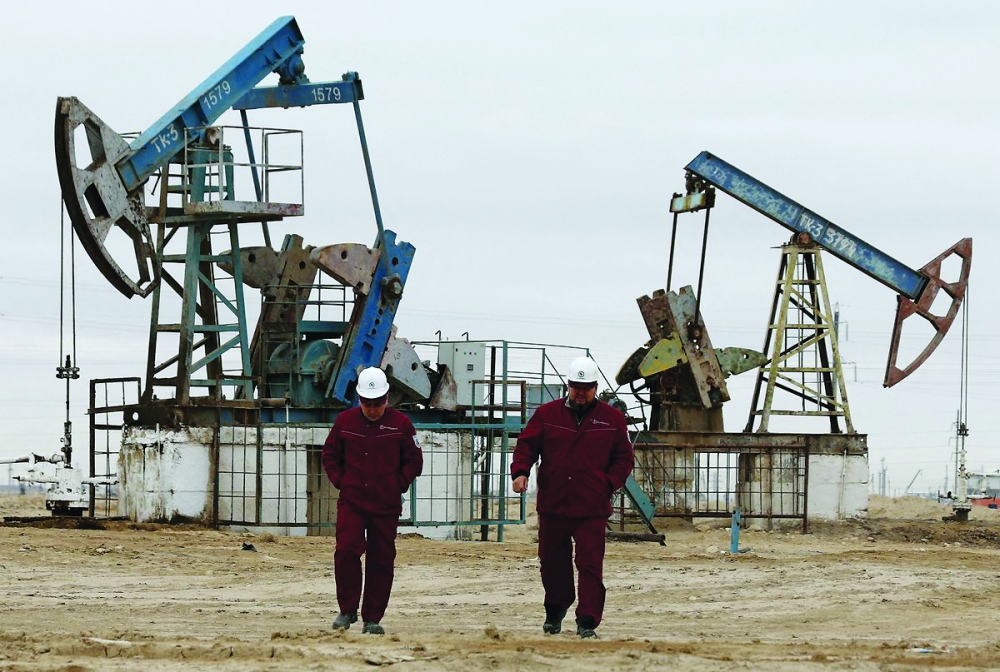
Meanwhile, Brent crude prices surged around 6.5 percent over the last seven days after major oil producers Saudi Arabia and Russia decided to extend their voluntary supply cuts till the end of the year, fuelling concerns over supply shortage during the peak winter demand. Oil prices rose above $90 a barrel for the first time in 2023 on Tuesday as Saudi Arabia and Russia said they would extend their voluntary production and export cuts until the end of the year.
Petrol prices and global inflation are likely to tick higher again as the OPEC+ group of oil-producing countries will hold production at nine million barrels a day for the rest of the year.
This is the stark warning from Nigel Green, the founder of deVere Group, one of the world’s largest independent financial advisory, asset management, and fintech organizations, as Saudi Arabia announced it would maintain its production cut of one million barrels a day until December.
This maintains the country’s output at nine million barrels a day, the lowest amount in several years. Russia has also confirmed it would maintain its own cutback of 300,000 barrels a day for the same period.
Nigel Green comments: “OPEC+ is ramping up petrol price pain, triggering fresh and increasing concerns about rising global inflation - which was just beginning to ease - meaning central banks could possibly push higher-for-longer interest rates.”
He continues: “Restricted oil supply leads to higher oil prices, which, in turn, can contribute to higher fuel prices for consumers and businesses, putting upward pressure on overall inflation.
“Higher energy costs also lead to increased production costs for companies, which are typically passed on to consumers in the form of higher prices for goods and services, again contributing to inflationary pressures.”
Consumer behavior also plays a role. When fuel prices rise, consumers may cut back on discretionary spending, which can impact economic activity. Reduced consumer spending can influence inflation dynamics, especially in sectors heavily dependent on consumer demand.
“This move by OPEC+ will, of course, be considered by central banks when formulating monetary policy.
“If rising oil prices are expected to have a sustained impact on inflation, central banks can be expected to maintain higher interest rates for longer to control soaring prices.”
The deVere Group founder concludes: “The decision by the group of oil-producing countries will further exacerbate the cost-of-living and cost-of-business crisis as inflation is given another global boost.”
Oman Observer is now on the WhatsApp channel. Click here