




Muscat: In Dhofar Governorate, September heralds the advent of Al Sarb or spring season. From September 21, this enchanting season will grace the landscape, bringing with it a tapestry of natural wonders that will last until December 21.
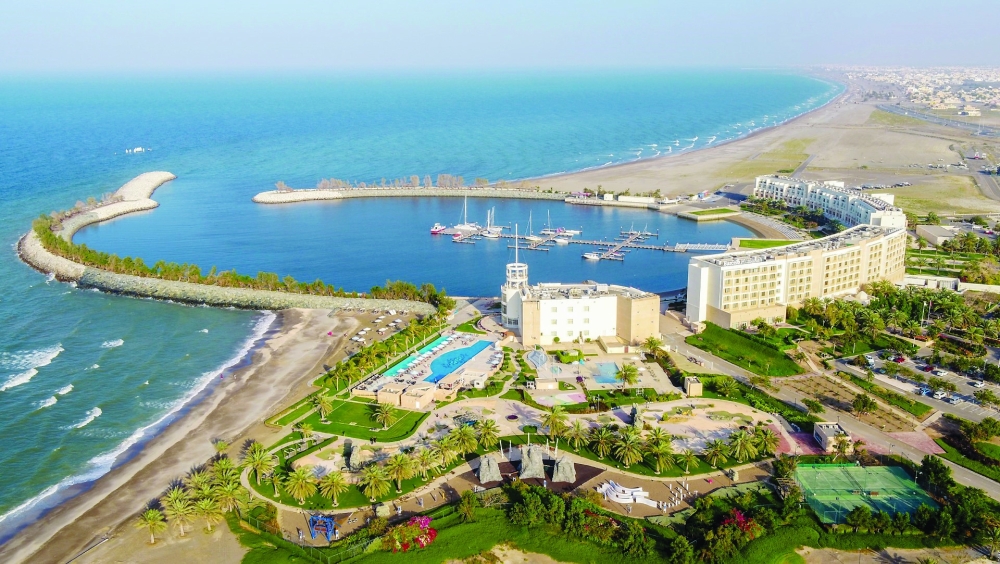
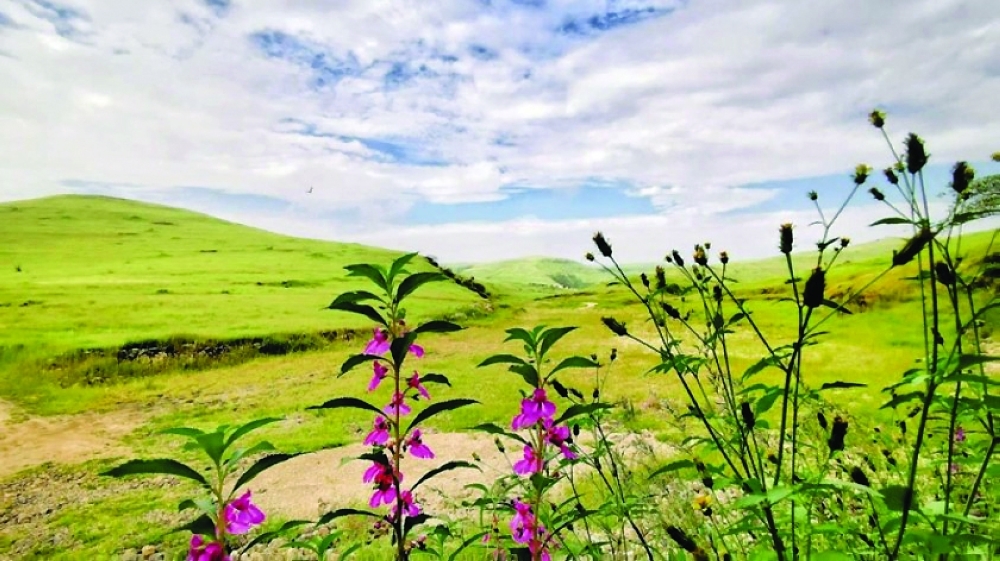
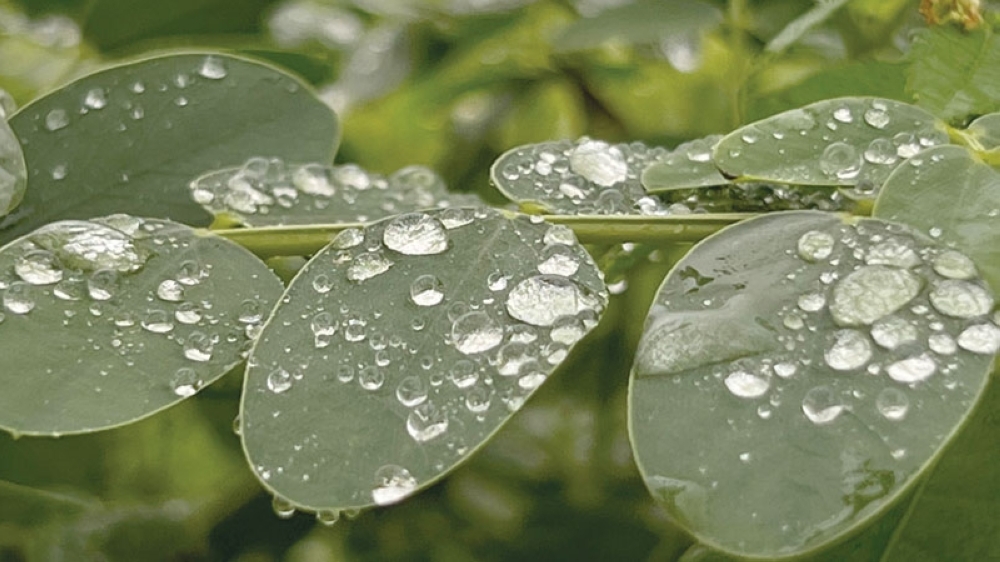
The atmosphere during Al Sarb is characterised by the brightness of the sun, moderate weather, and low humidity. Khareef fog gets cleared, and flowers bloom, which attracts tourists to enjoy the picturesque nature in addition to the calm waves of the sea.
Al Sarb is considered one of the important seasons for farmers, fishermen, and livestock breeders due to the seasonal agricultural harvest in mountainous and plain areas that depend on the autumn monsoon rains. The most important of which are maize, beans, and cucumbers. It also sees increased production of honey and the availability of large quantities of fish of high nutritional value like lobster, kingfish, sardines, safi and shari.
During this season, the finest types of local ‘ghee’ are produced, which cannot be obtained easily due to the high demand. The cows produce good quality milk due to natural grazing since the fall season, foraging on various types of natural herbs in the natural pastures that flourish in the fall season and extend to the spring season. People drink cold or hot (Al Mu'adhib), depending on their choice.
While harvesting Al Sarb crops and harvesting agricultural products, farmers recite poems and songs called Al Maqoud, which instill enthusiasm and entertainment in their souls and encourage them to make more efforts.
The breeders begin grazing their camels in places that are closed in the fall, and the shepherds sing the chants and songs of “Nana” and “Dabararat” with their beautiful melodies.
Temperatures will be around 20 degrees Celsius in the mountains and 26-28 degrees in the low lying areas during the day. The season also rolls out green carpet for the camels and herders who descend to the plains for the annual journey or Al Khatlah. The roads, beaches and slopes of Salalah and adjoining areas will be full of camels from Wadi Nahiz, Wadi Darbat, Wadi Ghaydat, and other areas.
The camels are accompanied on their journey by herdsmen on four wheel vehicles or pick-ups. The journey lasts for about a month, during which these herds move from one place to another in search of fodder.
Mubarak bin Abdullah al Maashani, a citizen, says, “Al Sarb attracts visitors who love the moderate climate, high breeze and surfing." Al Maashani appealed to the government and stakeholders to pay more attention to the season like khareef.
Oman Observer is now on the WhatsApp channel. Click here