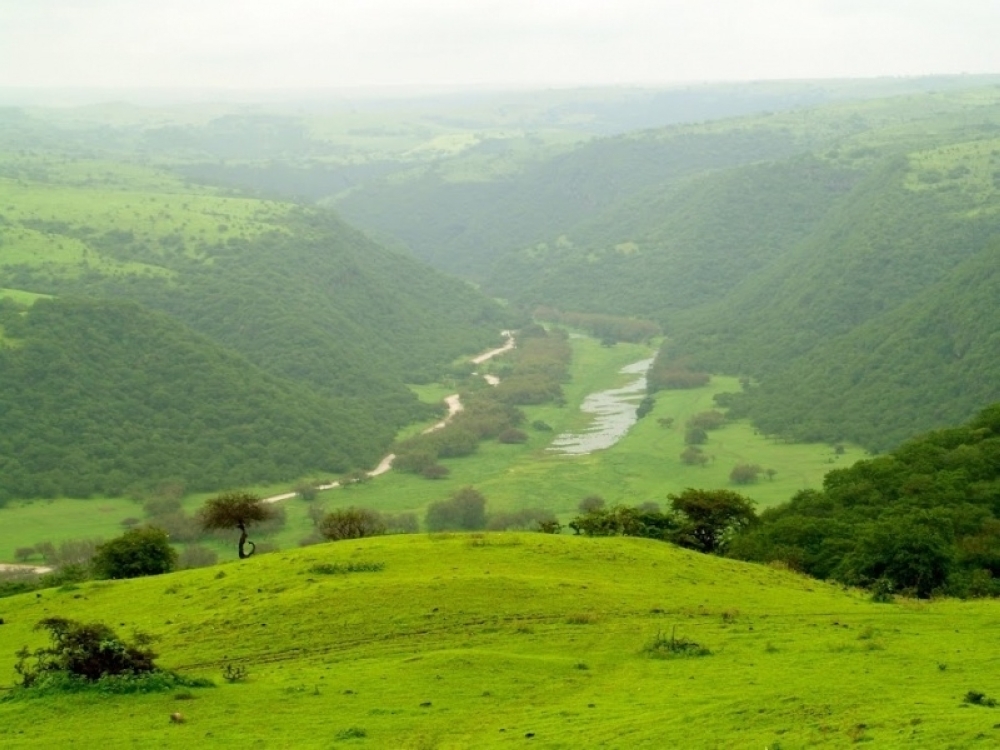





When temperatures soar over 40 degrees Celsius, finding respite from the scorching heat becomes a priority for many. One popular escape from the sweltering city life is trip to rural areas, away from Muscat yet breathtaking with agricultural oases.
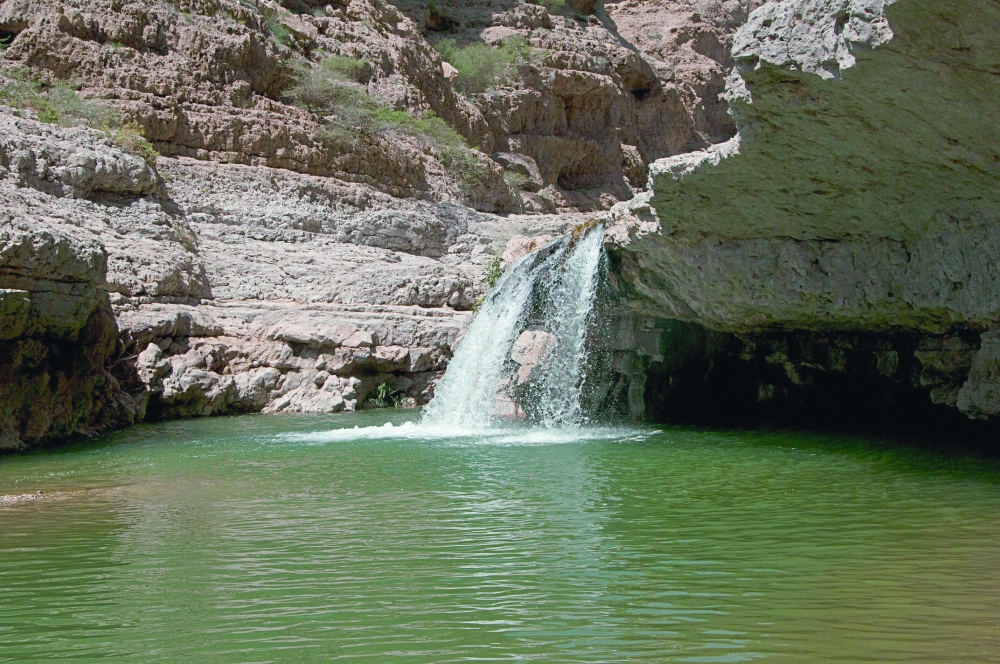
These oases are characterised by sprawling, majestic trees and fresh water that trickles through rocky canyons. They offer families an ideal retreat amidst nature's embrace. However, not just families seek solace in these havens. Enthusiasts eager to explore the Sultanate of Oman's water sources and geological wonders also flock to these serene destinations.
The Sultanate of Oman offers places that serve as summer getaways. Wadi Shab, Wadi Bani Khalid, Wadi al Hookeen, and Wadi al Arbiyeen are noteworthy destinations. These valleys stretch across the country, serving as lifelines and sanctuaries for recreation and hiking. One such valley originates from the eastern regions of the country.
These valleys are blessed with ample water flow throughout the year. Their rocky terrains store rainwater from the monsoon rains. Rainfall in the northern regions typically occurs between November and May. This water sustains agricultural areas, particularly those nestled within the Al Hajar mountain range.
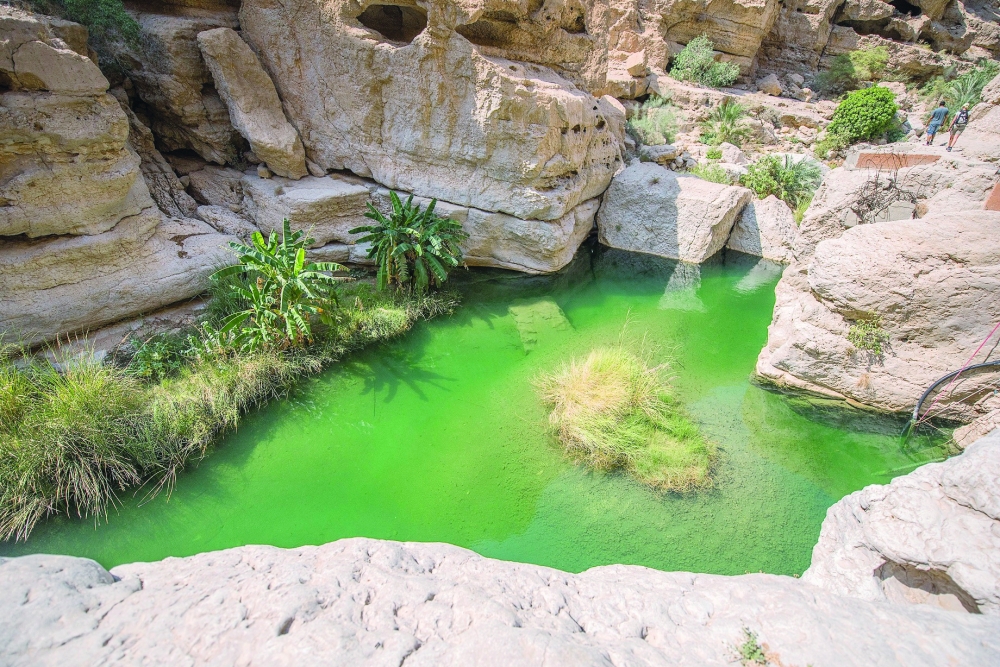
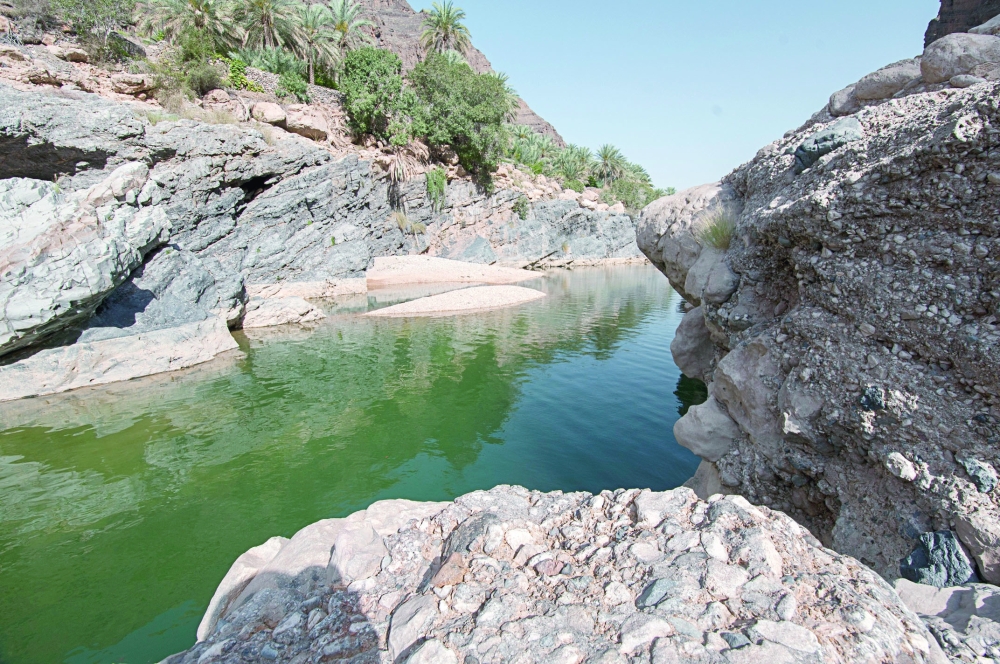
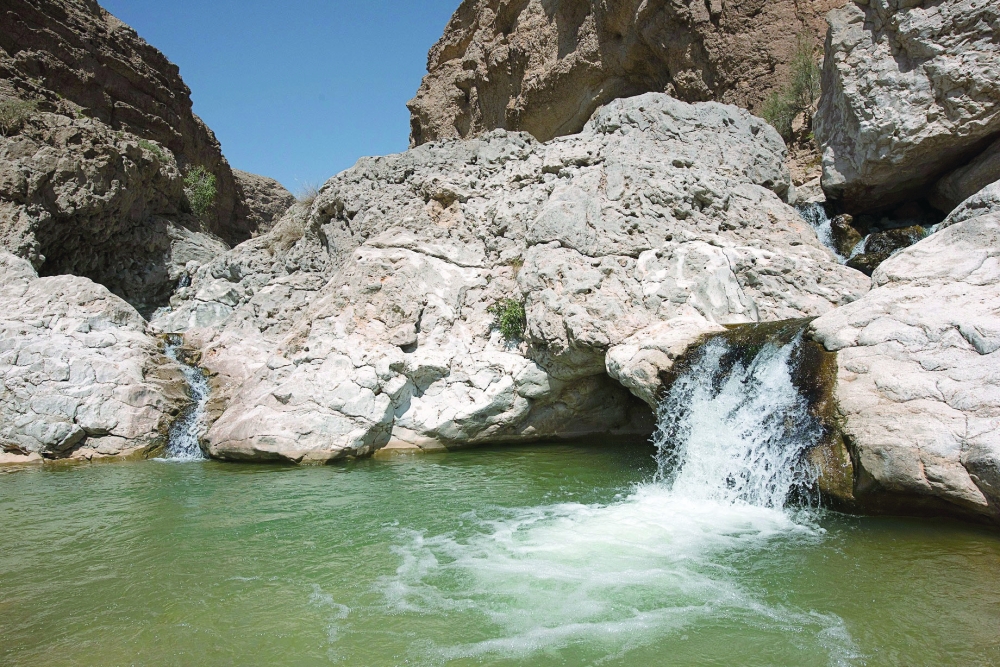
While access to these valleys is possible by four-wheel drive vehicles, some require moderate physical fitness due to the need for a 3-5 km walk.
At present, visitors revel in the splendor of nature, indulging in the opportunity to taste a variety of local seasonal fruits. Dates and fresh mangoes are particularly cherished during this time.
These valleys embody a unique environmental system known for its abundance, diversity, and natural wealth. The summer season witnesses a surge in visitors, contributing to the vitality of tourism. With ample shaded areas, recreational spots, and lush greenery amidst flowing waters, these valleys offer a haven for camping and entertainment.
Official sources highlight that rain is the primary source of nourishment for various aquifers. Annual precipitation averages less than 40 mm in coastal and desert regions, whereas mountainous areas receive approximately 350 mm. The total volume of renewable water sourced from rainfall is estimated at around 1.3 billion cubic metres annually.
TEXT & PHOTOS BY YAHYA AL SALMANI
Oman Observer is now on the WhatsApp channel. Click here