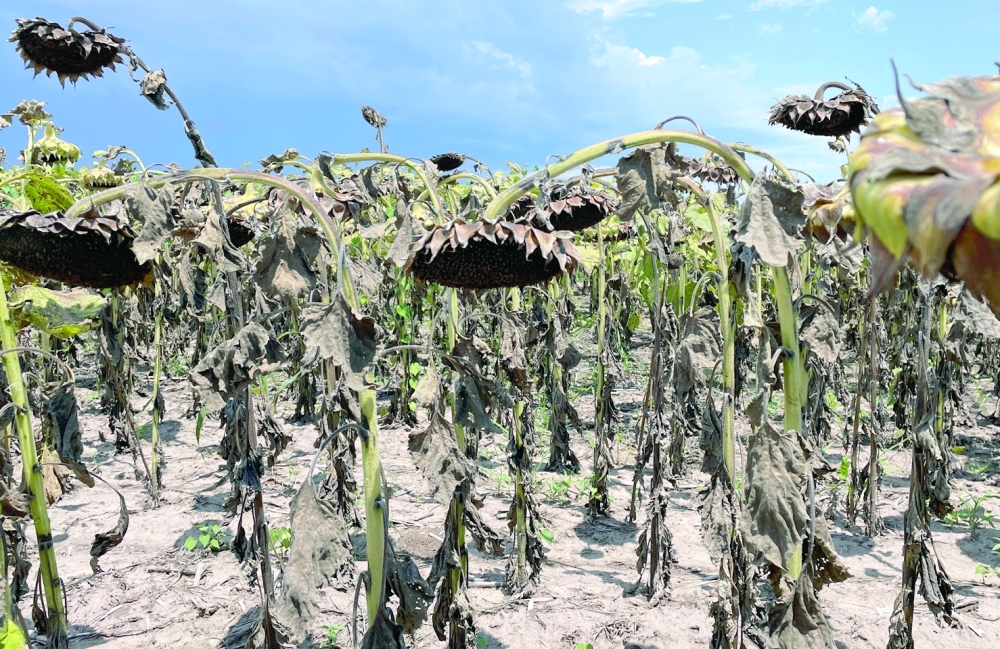
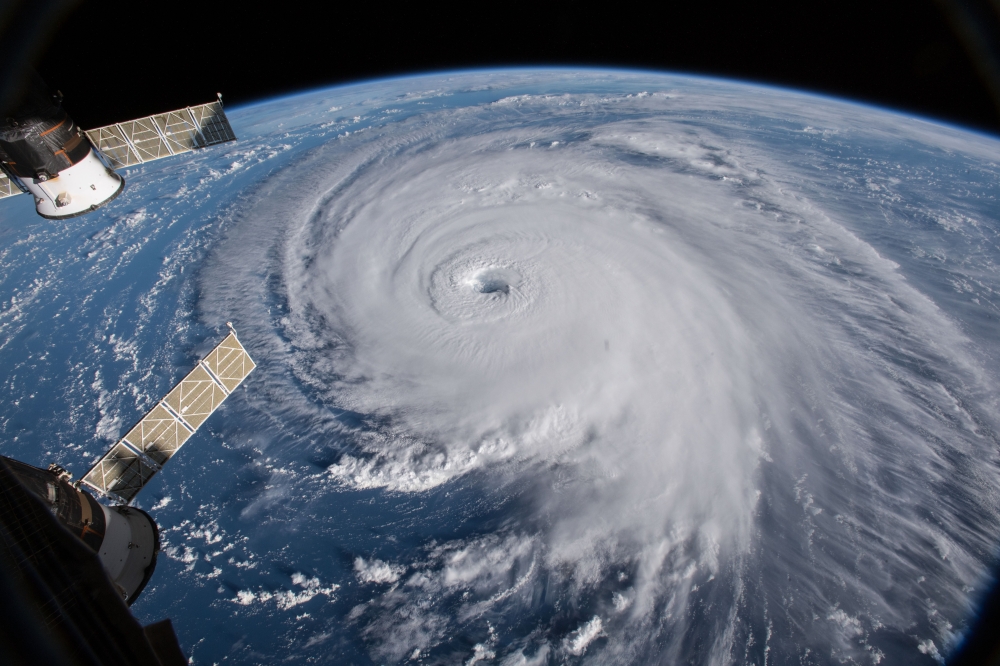
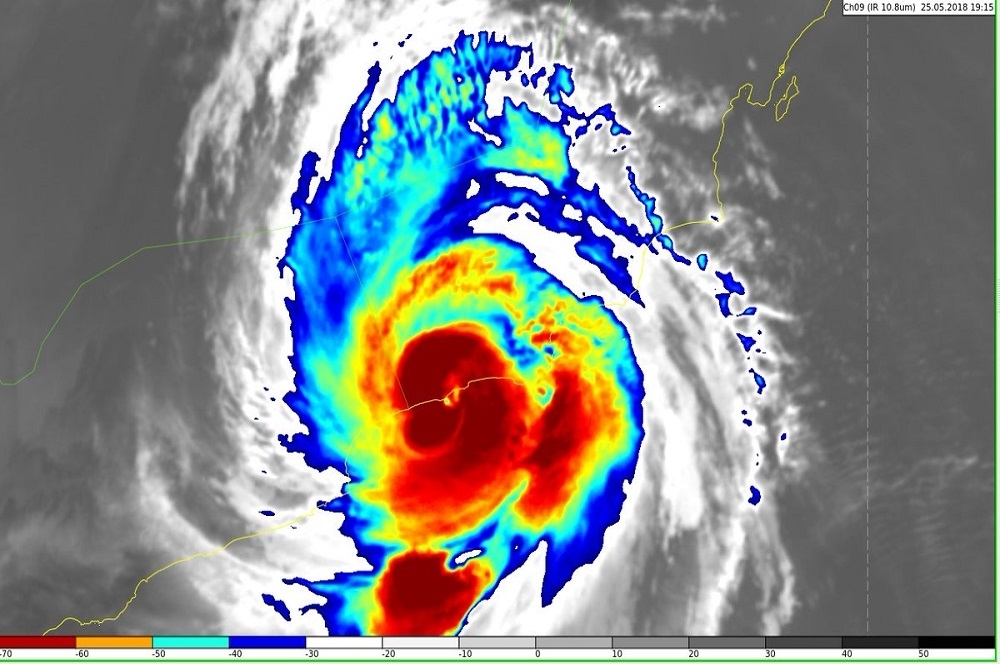
Bangladesh is a land of water. Now, its most profound threat is water, in its many terrible incarnations: drought, deluge, cyclones, saltwater. All are aggravated to varying degrees by climate change, and all are forcing millions of people to do whatever they can to keep their heads above it.
This matters to the rest of the world, because what the 170 million people of this crowded, low-lying delta nation face today is what many of us will face tomorrow.
The people of Bangladesh are rushing to harvest rice as soon as they get word of heavy rains upstream. They’re building floating beds of water hyacinths to grow vegetables beyond the reach of floodwaters. Where shrimp farms have turned the soil too salty to cultivate crops, they’re growing okra and tomatoes not in soil, but in compost, stuffed into plastic boxes that had once carried shrimp. Where the land itself is washing away, people have to move to other villages and towns. And where they’re running out of even drinking water, they’re learning to drink every drop of rain.
Saber Hossain Chowdhury, a governing party lawmaker and the prime minister’s climate envoy, compared his country’s efforts to plugging a leaky barrel. “It’s like when you have a drum that’s got seven leaks, and you’ve got two hands,” he said. “What do you do? It’s not an easy thing.”
Bangladesh has succeeded in saving lives during cyclones and floods. But there’s a host of other challenges to address, all at once: finding new sources of drinking water for millions along the coast, extending crop insurance, preparing cities for the inevitable influx of migrants from the countryside, even cultivating good relations with neighbouring countries to share weather data.
All this, with little help from the rich countries of the world. There’s mounting frustration in places like Bangladesh that wealthy nations have not shored up the funds that developing countries need to adapt to the hazards they already face. It’s a theme of the Paris climate finance summit this week.
Among the 64 districts of Bangladesh, half are considered to be vulnerable to climate change.
New research from scientists in Nepal confirms that ice and snow in the world’s highest mountains are disappearing due to rising temperatures and at a faster pace than previously thought. The report found that glaciers in the Hindu Kush and Himalaya mountain range region melted 65 per cent faster from 2010 through 2019 than in the previous decade.
The government, for its part, has an ambitious national adaptation plan with expensive projects, like dredging rivers of silt and building embankments to hold back the sea.
But much of that is yet to be realised, and critics say big infrastructure jobs are rife with potential for mismanagement and graft. “Climate vulnerability is there,” said Zakir Hossain Khan, who analyses climate finance for a local nonprofit group called Change Initiative. “Also, corruption vulnerability.”
Seawater is coming farther inland. Partly it’s because of sea level rise, elevating the tides. Partly it’s because rivers have been dammed upstream, and not enough freshwater is flowing down. Partly it’s because too much groundwater is pulled up.
That salty future is already present in the 3,860-square-mile mangrove forest, the Sundarbans, on the edge of the Bay of Bengal.
The forest is the country’s main defence against storm surges. The roots of the sundari, the mangrove species for which the forest is named, stick out of the mud like fingers of the dead. Tigers leave their prints in the ground.
Today, the almost unthinkable is happening. The water is becoming too salty for the sundari. They are dying. Other mangrove species are taking over. The landscape is changing. Likely forever.
Sheela Biswas faces the crisis of salinity every single day. Salt has intruded into canals and ponds that her village relies on for drinking and washing. An estimated 30 million people who live along the coast face the problem of saltwater intrusion to varying degrees. The area where Biswas lives is among the worst hit.
The latest solution to Biswas’s problem came in the form of a hot pink 2,000-litre plastic water tank, the equivalent of about 530 gallons, with a filter on top. It sits in her courtyard collecting the monsoon rains, one of nearly 4,000 such tanks distributed over the past three years by a development organisation, BRAC, that assists the poor.
Three large pink tanks stand beside a two-storey brick building. A small cluster of children in blue-and-white school uniforms appears to be heading in through a gate. The sky is clear and sunny.
Shrimp is no longer white gold. Intensive shrimp production has brought new risks, including diseases that cut into profits. A few of her neighbours have begun closing their shrimp ponds, filling them with sand and waiting for the rains to flush out the salt below.
That’s rare. Most people here have very little land, and they can’t afford to leave it idle so it can recover. They are stuck. “They can’t rely on shrimp, and they can’t change,” Ms. Biswas said.
Even if they could, sea level rise, combined with the subsidence of the land for other reasons, now threatens to aggravate the menace of salt in the water. If the land is sinking, even a little bit of sea level rise is very dangerous. Embankments sometimes collapse in tidal surges, which are growing stronger.
Like Biswas, the people of the southwestern coast have tried all kinds of things to hustle for drinking water.
A few entrepreneurs are selling water that they desalinate using small reverse osmosis systems in their homes, but that ends up dumping salty slime into nearby ponds. Some people are moving to the busy port town of Mongla, but there, too, freshwater is scarce.
Farther south, where the soil is too salty to plant crops, women have started growing vegetables in pots filled with compost and manure. Or they’ve turned empty rice sacks into planters, even plastic boxes that once took shrimp to market.
Their slapdash efforts to secure the most basic human needs, food and water, are a glimpse into the epic struggle of hundreds of millions of people who are trying to cope with climate risks every day.
Unless global emissions are reduced quickly and dramatically, Bangladesh can do little to stay above the surface, said Chowdhury, the lawmaker. “Whatever we do is not going to be enough,” he said.
— The New York Times
Oman Observer is now on the WhatsApp channel. Click here