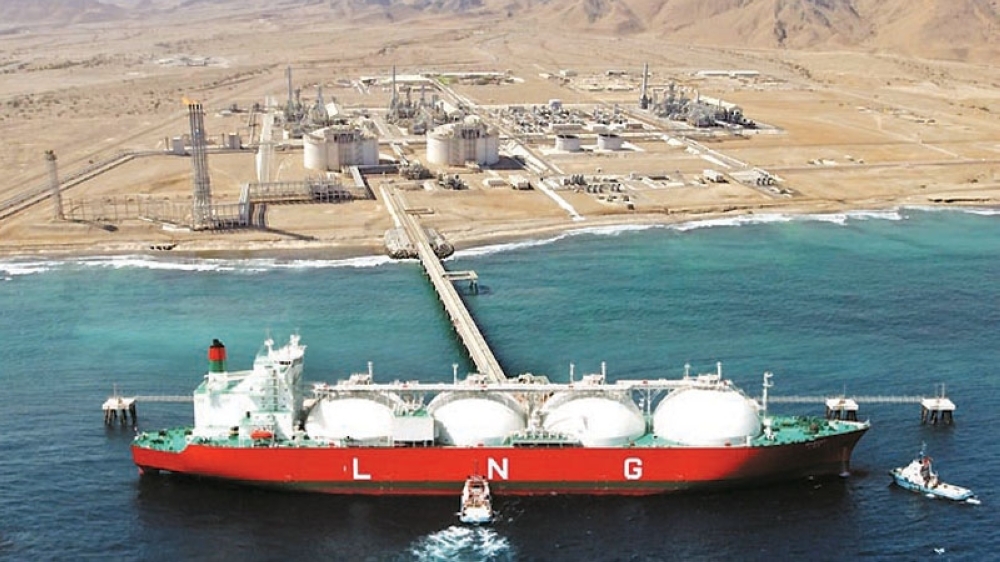





The Sultanate of Oman will supply liquefied natural gas (LNG) to Bangladesh starting from 2026 under a new Sale and Purchase Agreement (SPA) to be signed on June 19, according to a report.
Under the new agreement, Oman will supply an additional 0.5 million tonnes per annum (mtpa) to 1.5 mtpa of LNG to Bangladesh’s state-owned PetroBangla per year from 2026 for the next 15 years, the Business Standard reports.
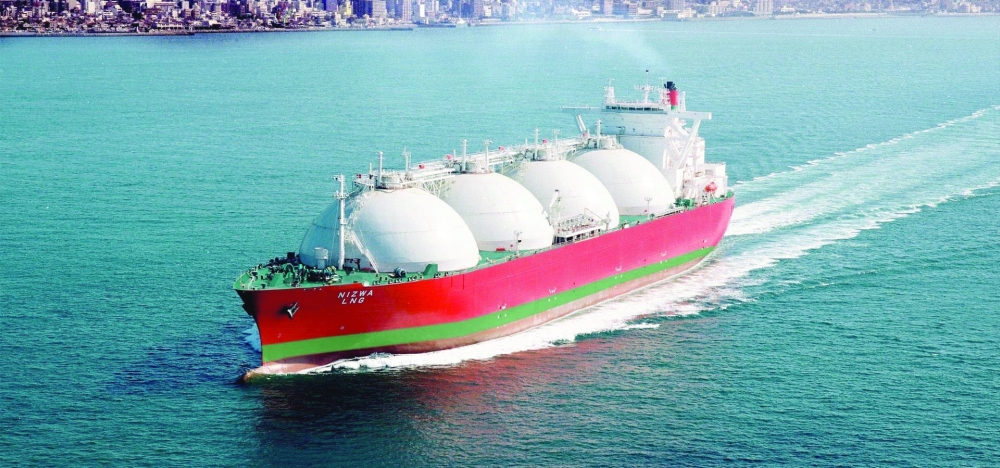
The LNG will be sourced from Oman's natural gas fields and exported to Bangladesh via LNG carriers. The deal is expected to help meet Bangladesh's growing demand for energy and support its economic growth. Currently around 20% of gas demand in Bangladesh is met by LNG, which is purchased on international spot markets.
The agreement comes after PetroBangla recently signed a 15-year supply deal for LNG with QatarEnergy for 1.8 mtpa starting also in 2026. At present, Bangladesh has a 15-year import deal with Qatar for 2.5 mtpa of LNG and a ten-year import deal with Oman's OQ Trading for 1.5 mtpa.
This new deal is part of Oman's efforts to diversify its economy and expand its international trade. Oman has been seeking to increase its LNG exports, and this agreement with Bangladesh is a significant step towards achieving this goal. The country has already signed similar agreements with other countries, including India, South Korea and Japan.
For Bangladesh, the deal is expected to help reduce its dependence on imported fossil fuels and promote the use of cleaner energy sources. Bangladesh has been experiencing rapid economic growth in recent years, and its energy demand is expected to continue to grow in the coming years. The country has been investing in renewable energy sources such as solar and wind power, but these sources currently make up a small fraction of its energy mix.
Oman Observer is now on the WhatsApp channel. Click here