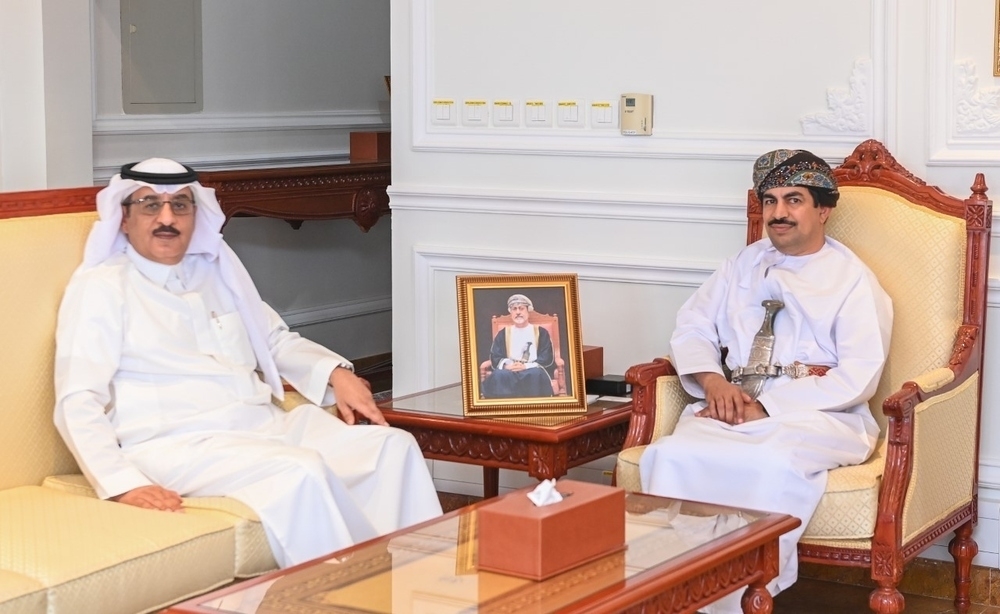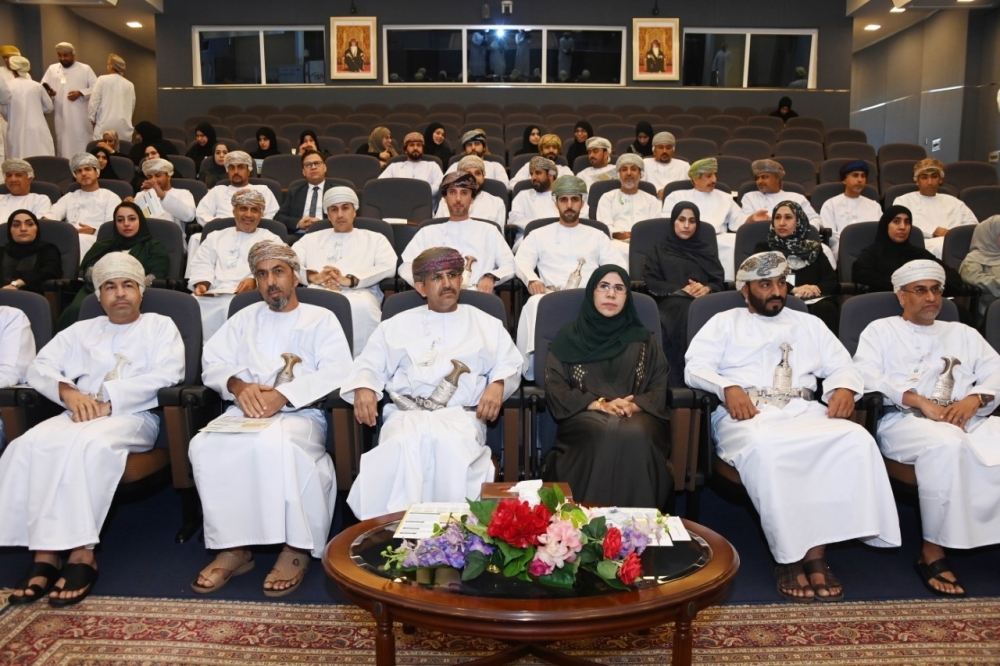





MUSCAT: Dr Rahma bint Ibrahim al Mahrouqiyah, Minister of Higher Education Research and Innovation, received here on Sunday Dr Salim Mahmood Al Malik, Director-General of the Islamic World Educational, Scientific and Cultural Organization (ICESCO).
The meeting reviewed the ICESCO programmes which cover a range of fields, including honing the abilities of youth and supporting them in entrepreneurship, modern technologies, innovation, space sciences, scholarships, training and expanding the knowledge base of students and researchers.
During the meeting, Al Mahrouqi highlighted the strategic approaches of the Sultanate of Oman in the fields of the fourth industrial revolution (4IR), exploring future potentials and entrepreneurship, among other matters. She also underscored the Ministry’s keenness to boost partnership and cooperation with the ICESCO in the higher education, research and innovation spheres.
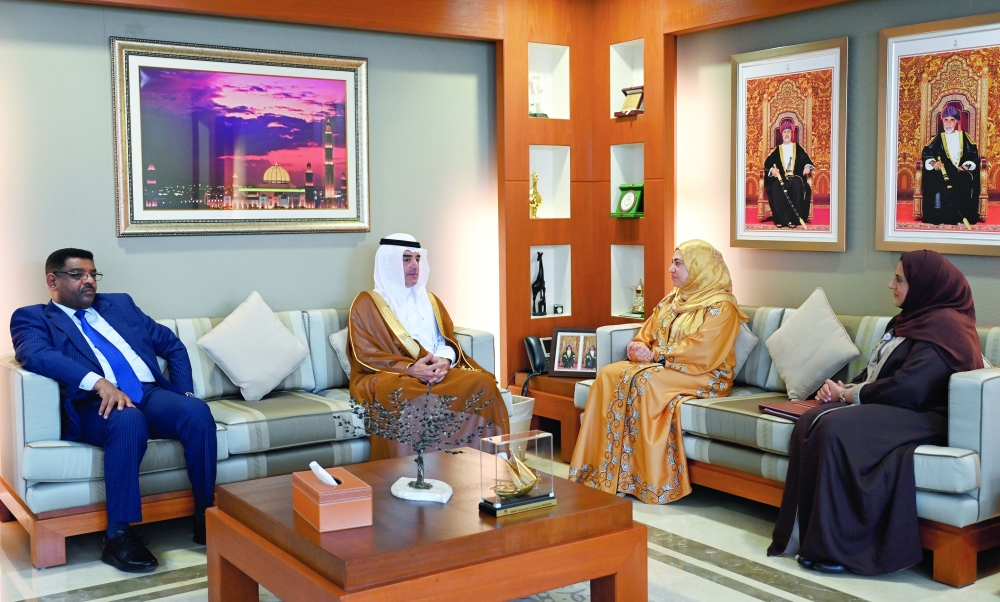
Dr Madeeha bint Ahmed al Shaibaniyah, Minister of Education, Chairperson of the Omani National Commission for Education, Culture, and Science also received in her office Dr Salim Mahmood Al Malik.
The two sides discussed means of enhancing cooperation between the Sultanate of Oman and ISESCO in various fields of education, science, culture, communication and information. They also reviewed a number of future proposals related to preserving heritage in the Islamic world and utilising technologies of the artificial intelligence in education.
They also discussed the topic of providing the organisation with young cadres qualified to lead the various sectors and programmes supervised by the organisation, strengthening the role of national committees in member states, and supporting cooperation with external centres of the organisation such as the Center for Civilisational Dialogue, the Center for Strategic Foresight, and others. — ONA
Oman Observer is now on the WhatsApp channel. Click here