




MUSCAT: Given the mammoth scale of Oman’s renewable hydrogen industry expected to materialize over the coming days and its vast geographical footprint, a new export hub for green molecules is being weighed at Al Jazer on the country’s Al Wusta coast.
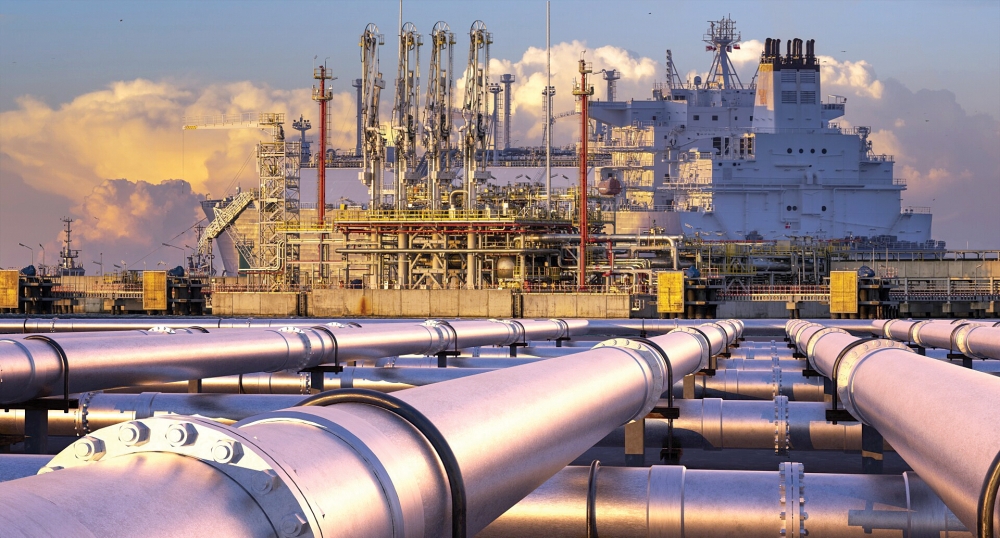
The proposed Al Jazer facility, envisioned further south of the industrial hub of Duqm, will supplement green energy export infrastructure planned not only at the Port of Duqm but also at the Port of Salalah on Oman’s Dhofar coast.
Plans for the new renewable hydrogen port infrastructure were outlined by Eng Salim bin Nasser al Aufi, Minister of Energy and Minerals, at the recent World Hydrogen Summit at Rotterdam.
While much of Oman’s renewable hydrogen output is earmarked for export, its availability in cost-competitive volumes domestically is expected to attract investments in industries and manufacturing activities, he pointed out. To cater to this growth, hydrogen pipelines are planned to travel all the way north to Suhar and Sur by 2040, and potentially connect Muscat as well by 2050, he noted.
Further, as a green-field industry, the Minister said that investments in all of the key building blocks necessary to achieve Oman’s 2050 green hydrogen production targets are estimated at $150 billion.
Material resources required to achieve this goal are staggering as well: 300 million solar panels, 44 million tonnes of concrete, 25 million tonnes of steel, 5.1 million tonnes of glass, as well as massive quantities of metals like copper, aluminium, silicon and nickel, he added.
Oman Observer is now on the WhatsApp channel. Click here