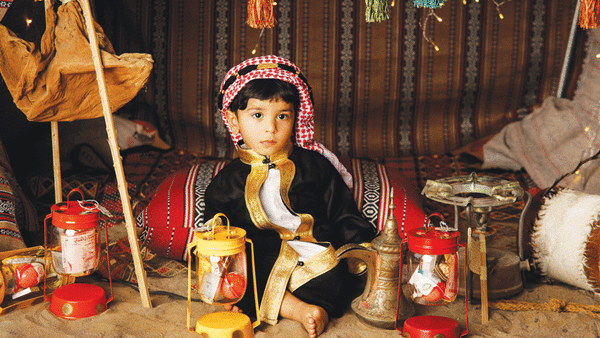





With technological advancement, printing has become easy and easier now to get books and magazines electronically even on mobile phones. During the holy month of Ramadhan, reciting the Holy Quran is easy with books and these gadgets.
There was a time when it was not that easy. Studies indicate that the process of collecting and codifying the Holy Quran passed through three stages in the past. The first relied on memorising its verses by the heart through oral indoctrination. Then the process of writing and codifying began in the house of Prophet Muhammad (PBUH), and then the Holy Quran was collected in one Mushaf.
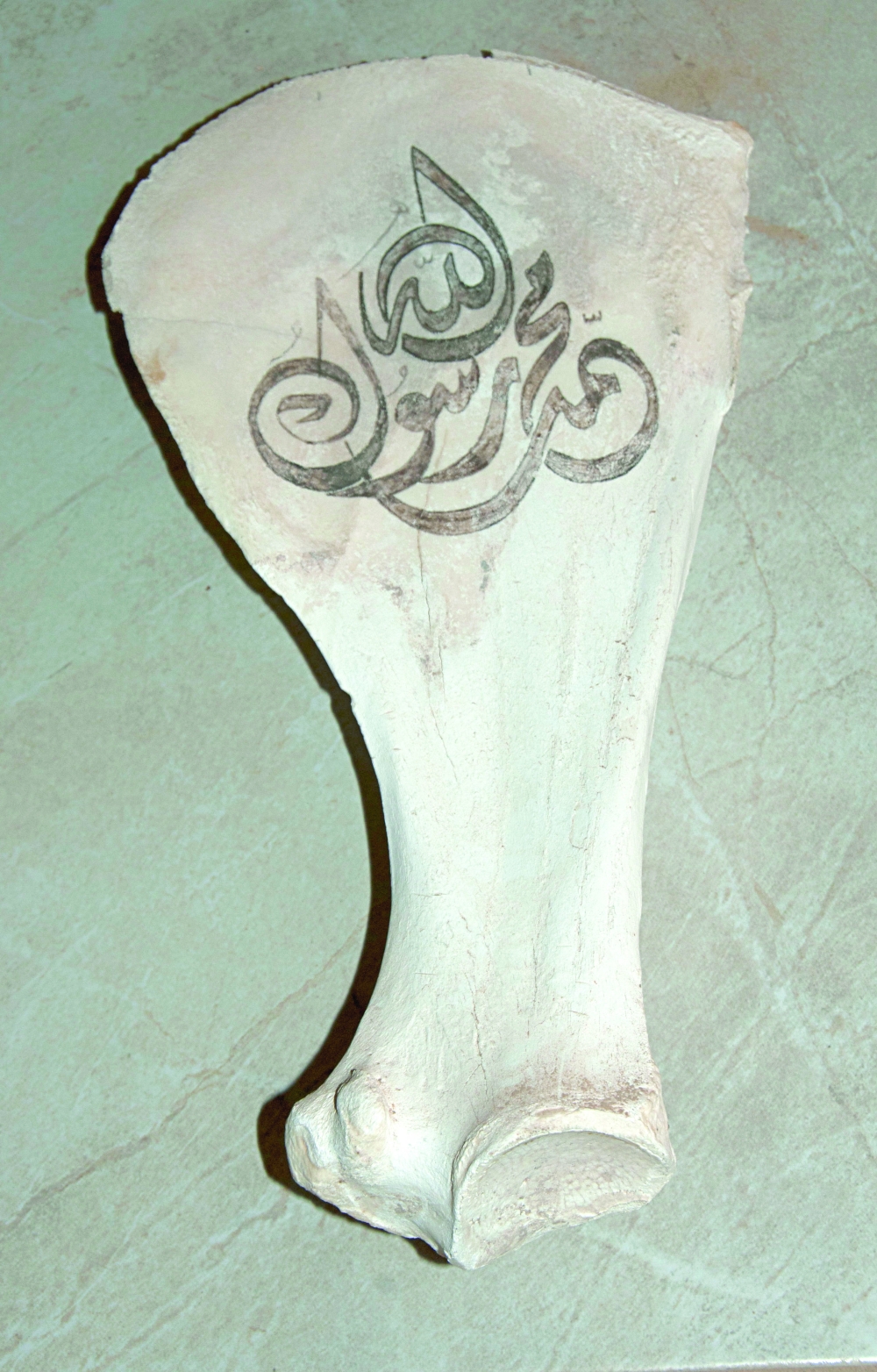
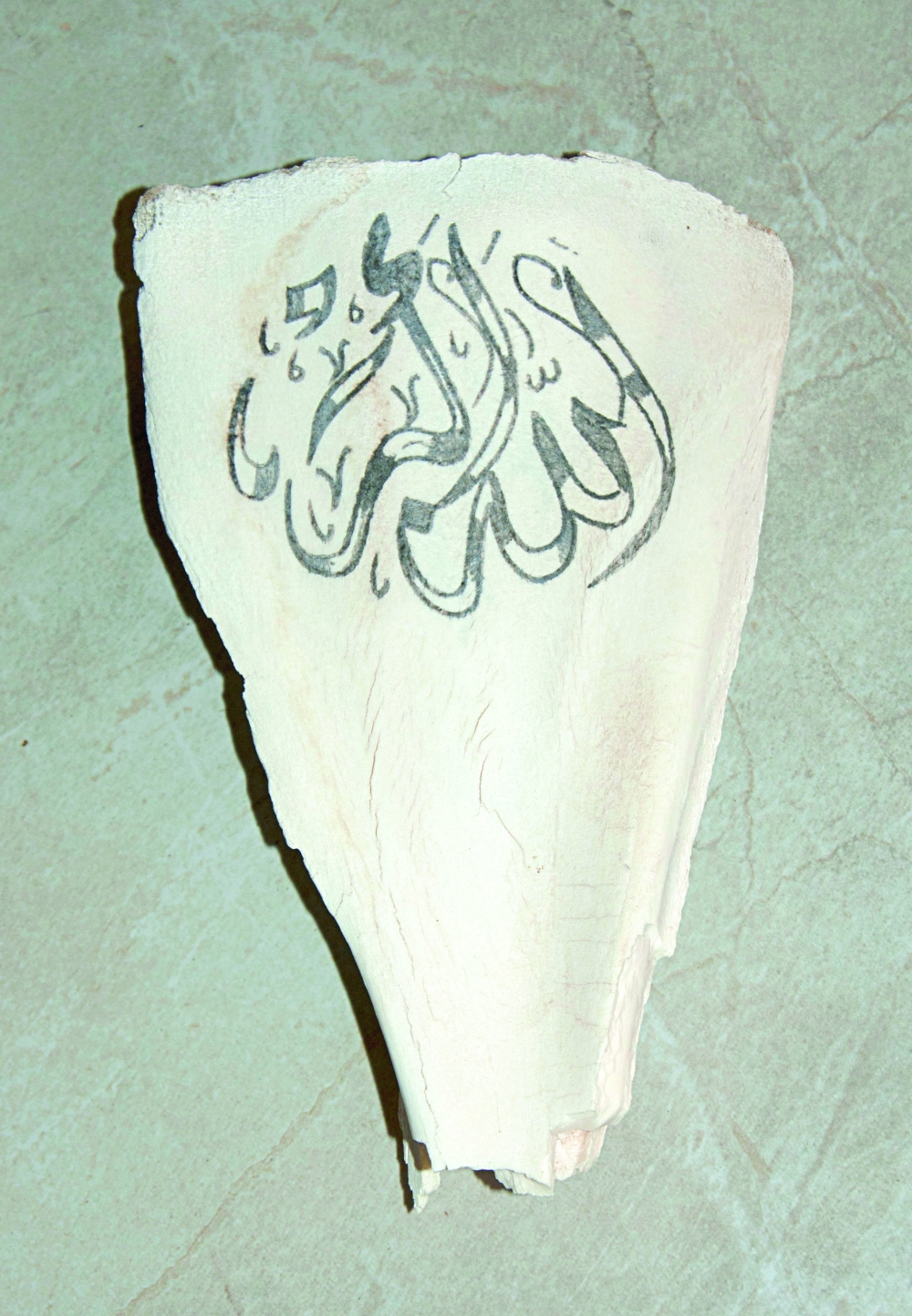
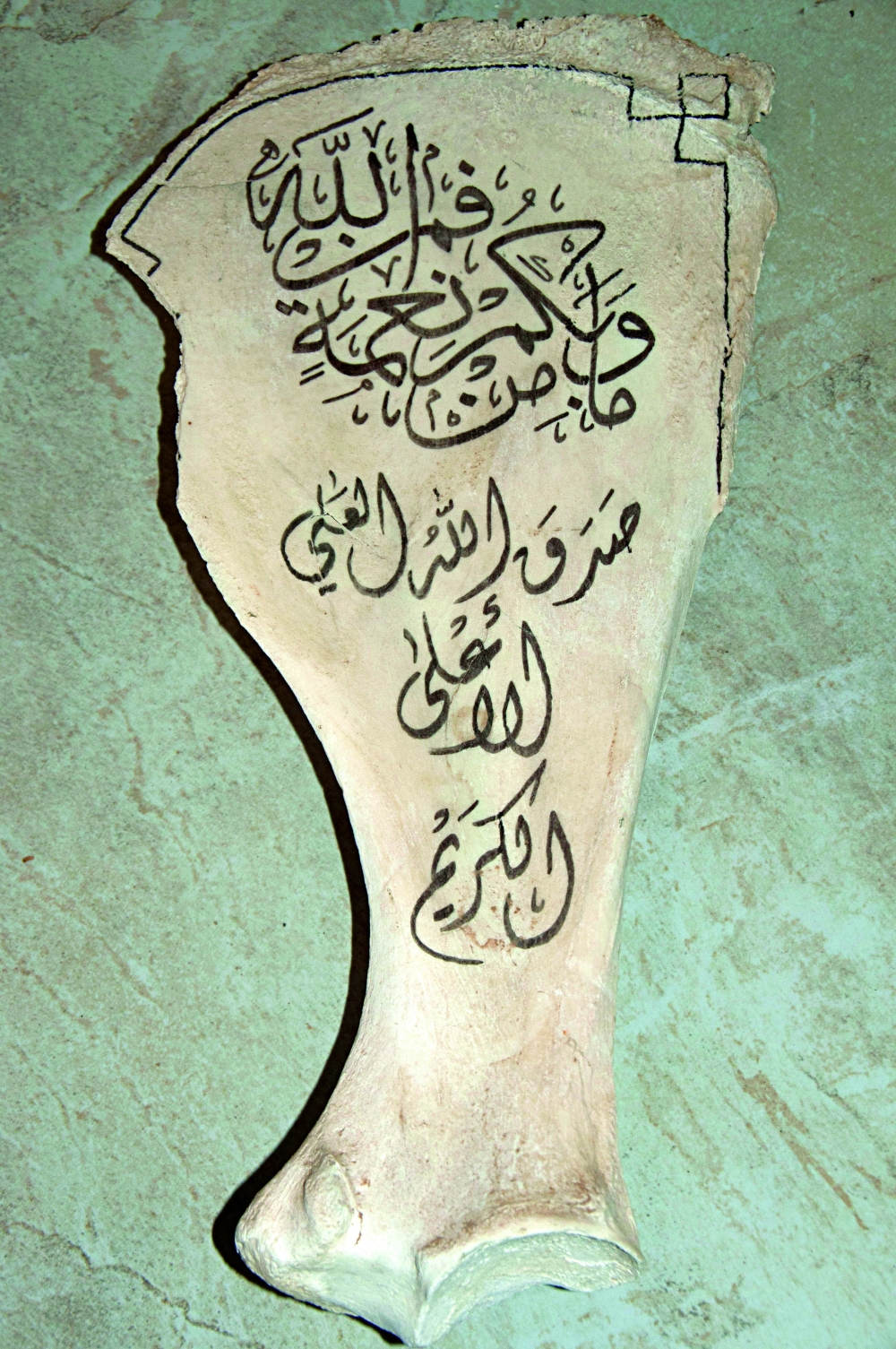
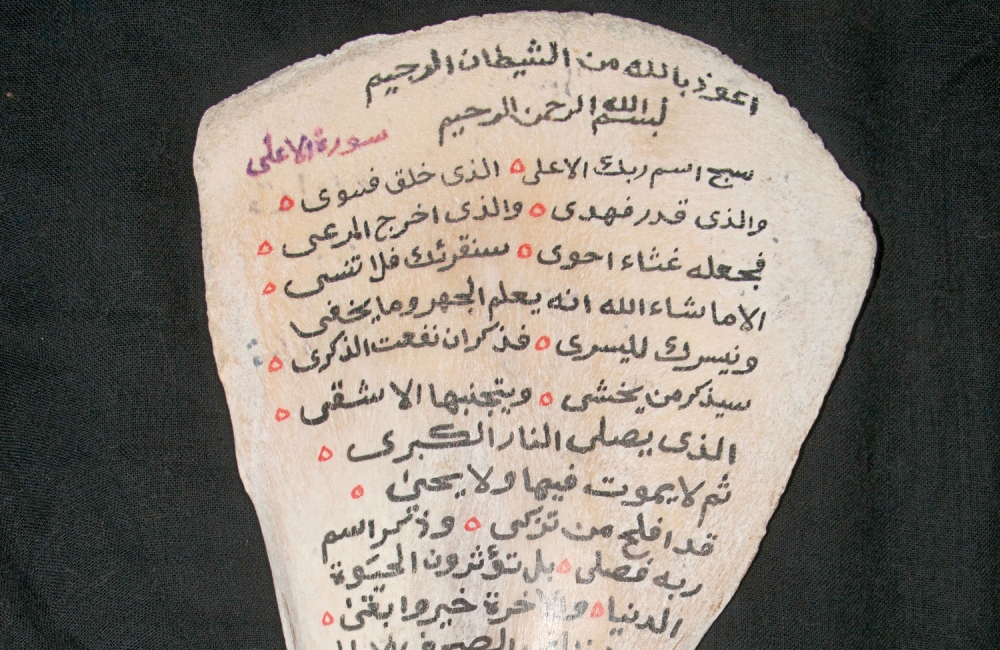
In the Quranic schools called Al Khatateeb, Muslims used several methods to memorise the Holy Quran, including writing its verses on camel bones (shoulders). Students repeated the Quranic verses daily to memorise the texts and then start explaining them and interpreting meanings.
This method was popular in the past but is no longer used today. However, some museums and homes still maintain such traditional educational methods that were in practice hundreds of years ago.
"As in all human civilisations, documentation was done in different forms. The tools ranged from rocks to bones in day-to-day daily life. Therefore, the traditional methods used by Muslims in teaching the Holy Quran confirm the high level of intellectual creativity," an Islamic education teacher told the Observer.
TEXT & PHOTOS BY: YAHYA ALSALMANI
Oman Observer is now on the WhatsApp channel. Click here