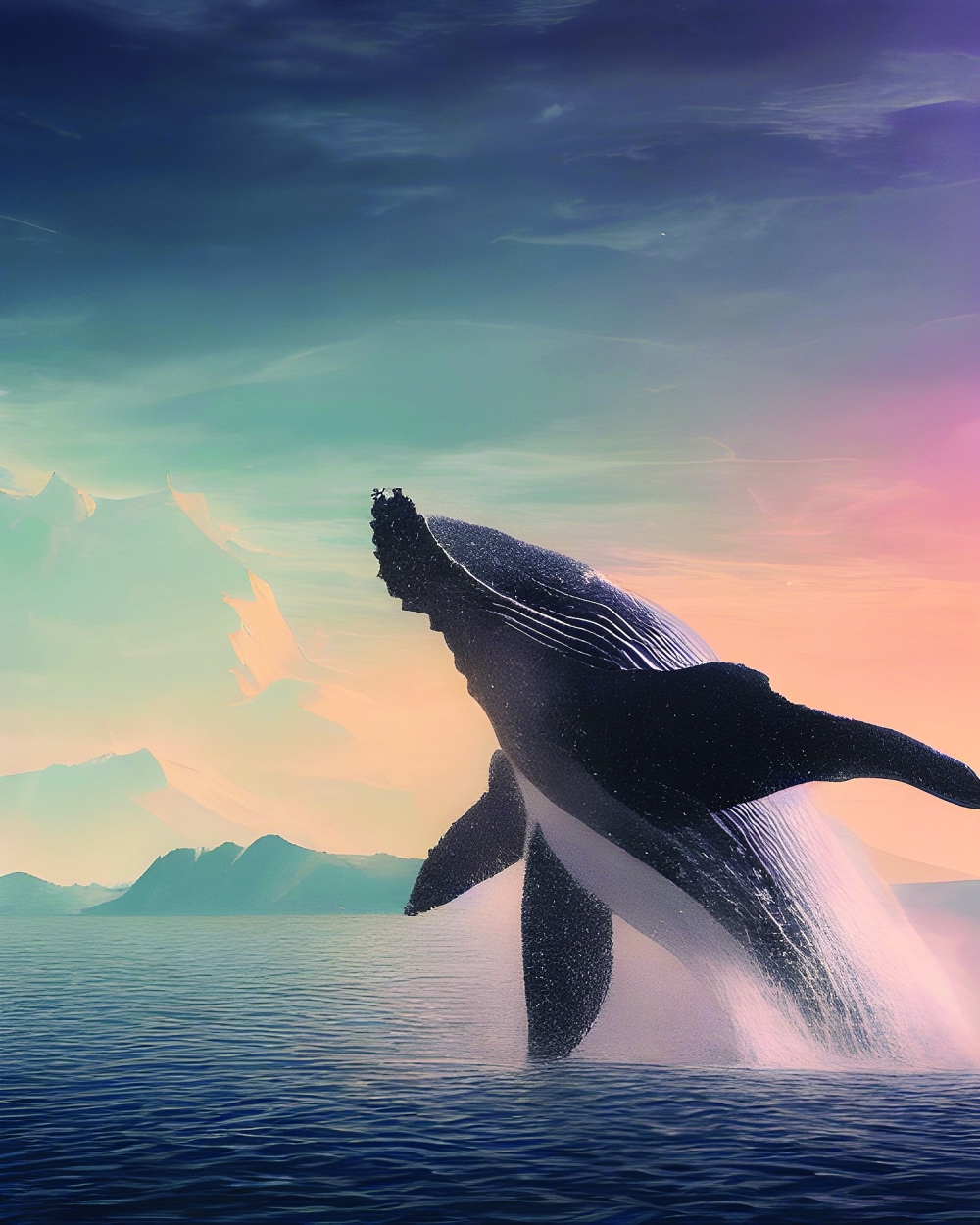





With names like titanosaurus and giganotosaurus, you’d be forgiven for thinking that dinosaurs were the most massive animals to ever live. But if you’re after gargantuan creatures, chartering a boat is better than building a time machine: The largest animals to ever exist are whales, topped off by the truly titanic blue whale. Maxing out at almost 100 feet long and 190 metric tons, the blue whale dwarfs the competition.
Despite whales being well known for their enormous size, big bodies actually came into fashion relatively recently among them — only 5 million to 10 million years ago, practically yesterday in geologic time. The first whales were the size of wolves and sea lions, a far cry from the submarine-size behemoths that swim the seas today. A prehistoric boom of ocean nutrients and the freedom from gravity that water provides played a role in making whales so large, but the actual genetic changes underpinning their ballooning have remained a mystery.
To examine how changes to whale DNA over time may have caused their gigantism, Mariana Nery, a biologist at the State University of Campinas in Brazil, and colleagues used a targeted approach. The results, published in Scientific Reports, implicate genes that have functions in growth hormone and insulin pathways in causing the enormousness of whales. — NYT/DARREN INCORVAIA
Oman Observer is now on the WhatsApp channel. Click here