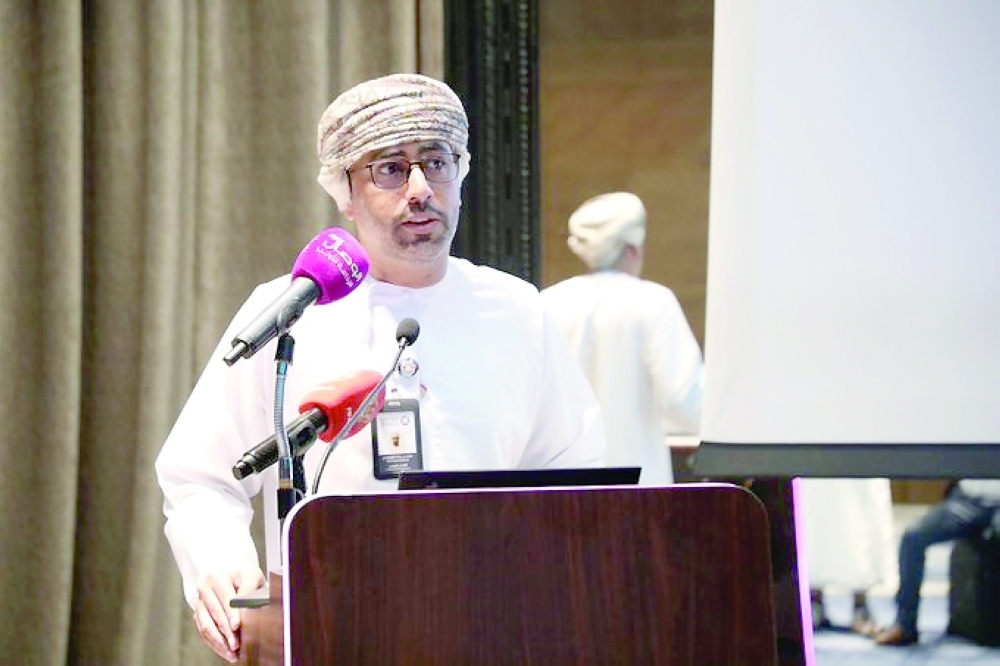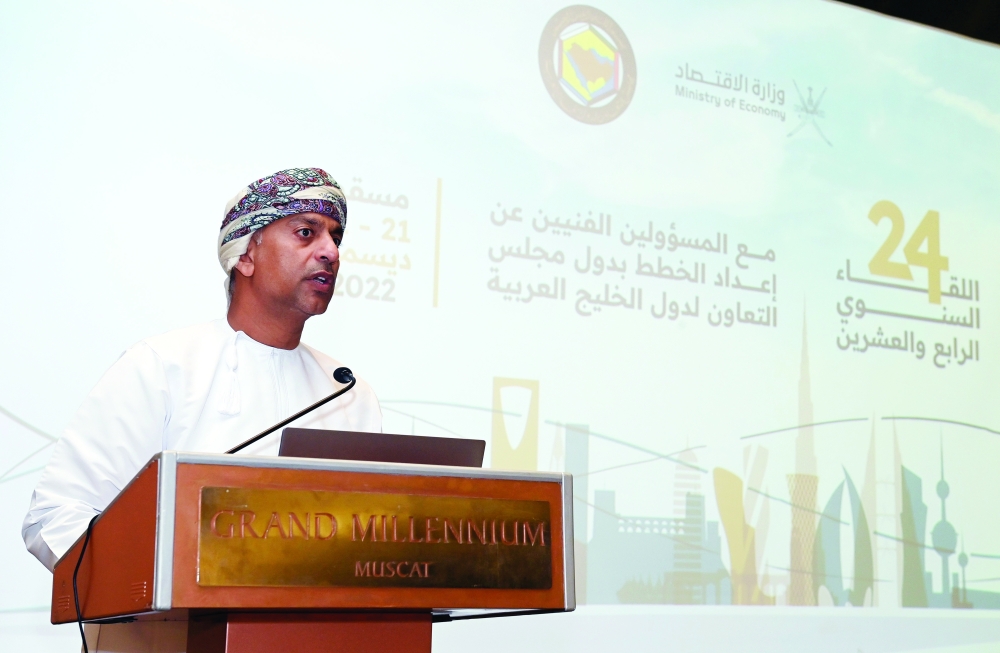





The Gross Domestic Product (GDP) of the Gulf Cooperation Council (GCC) economies will grow to $6 trillion by 2050, Dr Nasser bin Rashid al Mawali, Under-Secretary of the Ministry of Economy said during the 24th annual meeting with the technical officials responsible for preparing plans at GCC states held at the Grand Millenium Hotel on December 21-22.
Al Mawali said, “The World Bank report indicates that the total GDP of the GCC states is expected to hit about $2 trillion by the end of 2022. If the GCC states continue performing at the same pace, their GDP will grow to $6 trillion by 2050.”
The GCC posted an impressive 19.6 per cent growth rate in 2021, the Ministry of Economy said in a post, citing sources from the GCC-Stat. The GCC’s Gross Domestic Product reached $1.7 trillion in 2021, which constitutes 1.8 per cent of the global GDP at the current prices. The per capita share of the GDP at current prices is $29,700, which represents a 21.2 per cent growth.
The growth of commodity export (52.5 per cent), growth in commodity imports (20.8 per cent) and growth in commodity balance (334.3 per cent) contribute to the rise of the GCC’s GDP for 2021.
The annual meeting aims to enhance joint coordination between the GCC states and exchange knowledge and experiences regarding best practices in the field of preparing national plans and future visions.
“It is high time now to preserve the various resources for future generations to achieve comprehensive and sustainable development. The Sultanate of Oman issued the first voluntary report in 2019 and is now re-constituting its National Committee and National Working Group concerned with following on the implementation of the sustainable goals to prepare for the issuance of the second voluntary report of the progress made in achieving the national goals of sustainable development 2030,” Al Mawali said.
He added,” Since the 1960s the GCC state have put their development plans at the heart of the path of economic and social development in order to achieve leaps and bounds in their economies. We must continue our efforts to achieve economic growth that balances social, environmental and institutional dimensions and objectives. GCC states follow the progress made in achieving the 2030 Sustainable Development Goals through voluntary reports and national dashboard indicators.”
Oman Observer is now on the WhatsApp channel. Click here