




The UK government on Friday officially declared a drought across swathes of England, following months of record low rainfall and unprecedented high temperatures in recent weeks.
At a meeting of the National Drought Group, the government's Environment Agency said the "drought trigger threshold had been met" in parts of southwestern, southern, central, and eastern England. Drought was last officially declared in England in 2018. The agency has released a report noting that England had its driest July since 1935.
The Met Office, the UK's meteorological authority, said the period from January to June this year saw the least rainfall in England and Wales since 1976.
That summer saw the use of drastic measures such as roadside standpipes and water rationing. This year's exceptional weather comes as France is also experiencing a record drought and battling huge wildfires.
The UK government said the move to drought status was based on factors such as rainfall, river flows, and levels of groundwater and reservoirs and their impact on public water supply. "We urge everyone to manage the amount of water they are using in this exceptionally dry period," National Drought Group chair, Harvey Bradshaw, said in a statement.
The Environment Agency and water companies "will step up their actions to manage impacts" and press ahead with their published drought plans, including measures like hosepipe bans.
England and parts of Wales are severely parched and three water companies -- Welsh Water, Southern Water and South East Water -- have all imposed hosepipe bans, while several others are set to follow suit. Every month of the year except February has been drier than average, according to the Met Office.
Satellite images from July released by NASA showed dried-up brown areas extending across most of southern England and up the northeastern coast.
The source of the River Thames has dried up and now starts from a point several miles downstream. Meetings of the National Drought Group are convened by the Environment Agency, which monitors water levels in rivers and groundwater.
The group is made up of senior decision-makers from the government and water companies, along with other affected groups such as farmers. Water minister Steve Double said the government had "made it clear" to water companies that "it is their duty" to maintain essential supplies. "We are better prepared than ever before for periods of dry weather, but we will continue to closely monitor the situation, including impacts on farmers and the environment," he added.
But critics have pointed to the billions of liters lost daily by the private water firms, whose top management are paid millions of pounds annually and which regularly pay out dividends to shareholders.
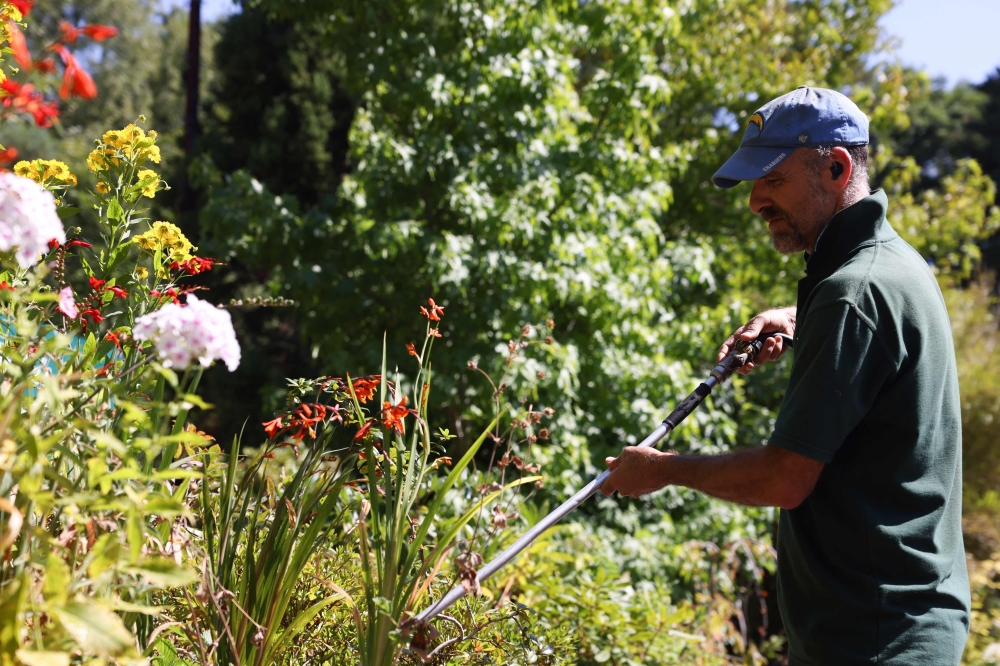
"They should actually get their fingers into action," said Claire Connarty, 61, as she visited a plant nursery in Kent, southeast of London -- where a hosepipe ban came into force Friday.
"They've got leaks all over the place but then they tell us to limit our water (use)." Fellow shopper Barry Martin, 62, was more sympathetic, noting that leaks were inevitable and that he was trying to limit his own waste -- including by having buckets in his shower to catch excess water. "I try not to waste," the retiree told AFP, adding that as he is on a water meter it helps keep his bills down as well as to preserve an increasingly precious resource.
The Met Office on Tuesday issued an amber warning of "extreme heat" in parts of England and Wales from Thursday to Sunday, predicting possible impacts on health, transport and infrastructure.
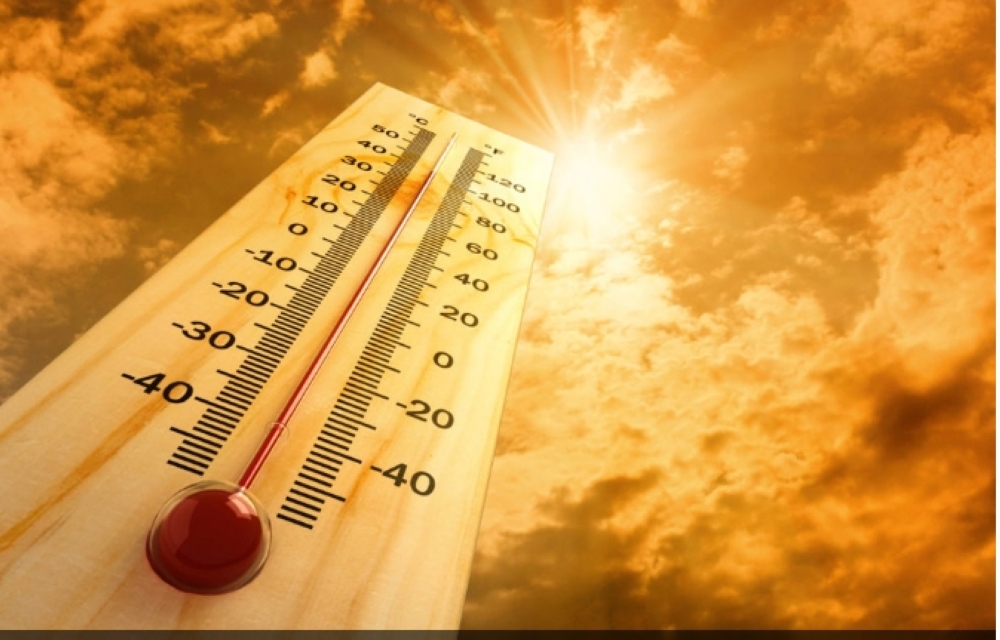
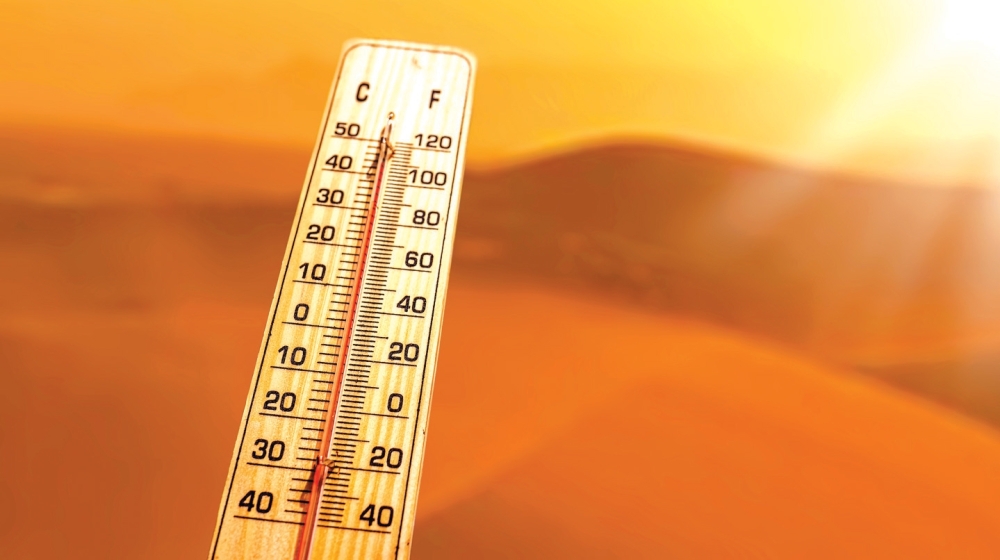
Temperatures were expected to peak in the mid-30s Celsius on Friday and the weekend, after which some showers and thunderstorms were forecasted. Temperatures were not expected to hit the record levels seen in July, when a temperature of 40.3 degrees Celsius (104.5 degrees Fahrenheit) was recorded in Lincolnshire in northeastern England on July 20, during an unprecedented heatwave.
The National Climate Information Centre said that such high temperatures in the UK were only possible due to human-induced climate change.
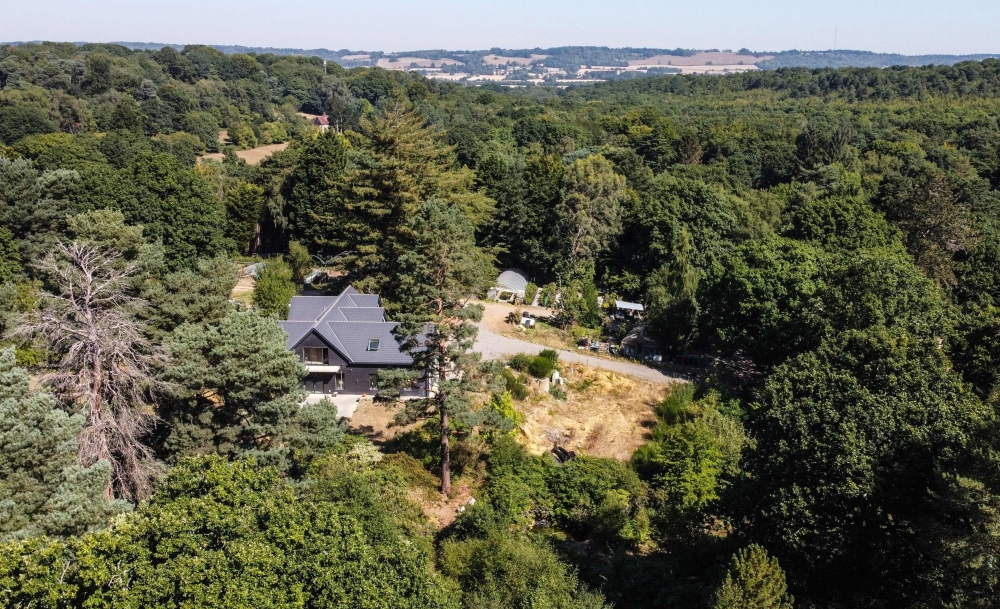
Gesturing towards her thriving wildflower meadow and still-green tree cover in this otherwise parched corner of countryside in southeast England, Claire Price is adamant gardeners must adapt to the country's evolving climate. Price is the owner and self-described "custodian" of Reuthe's, a woodland oasis of evergreen trees and shrubs in Sevenoaks, Kent, which appears better placed than traditional English gardens of lawns and flower beds to withstand the increasingly arid conditions.
"We do not water any of the shrubs or the trees in the ground at all," Price told AFP proudly on Friday, just as a hosepipe ban came into force across the county of Kent and neighbouring east Sussex. "Our philosophy is if you treat the ground conditions correctly, so you dig in the right amount of... moisture and humus, then the plants will be able to cope with these extremes.
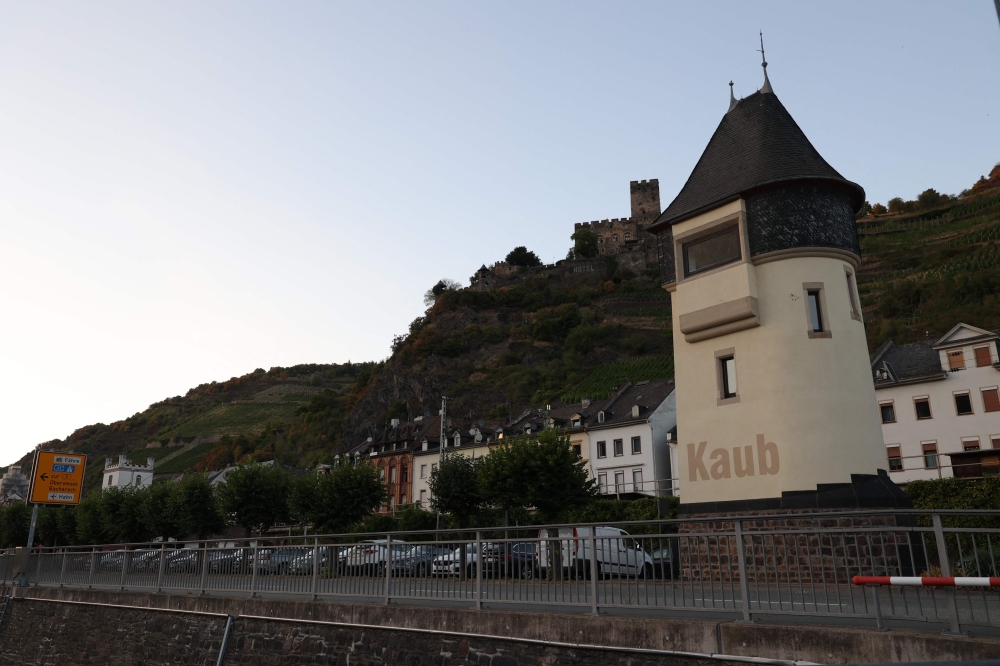
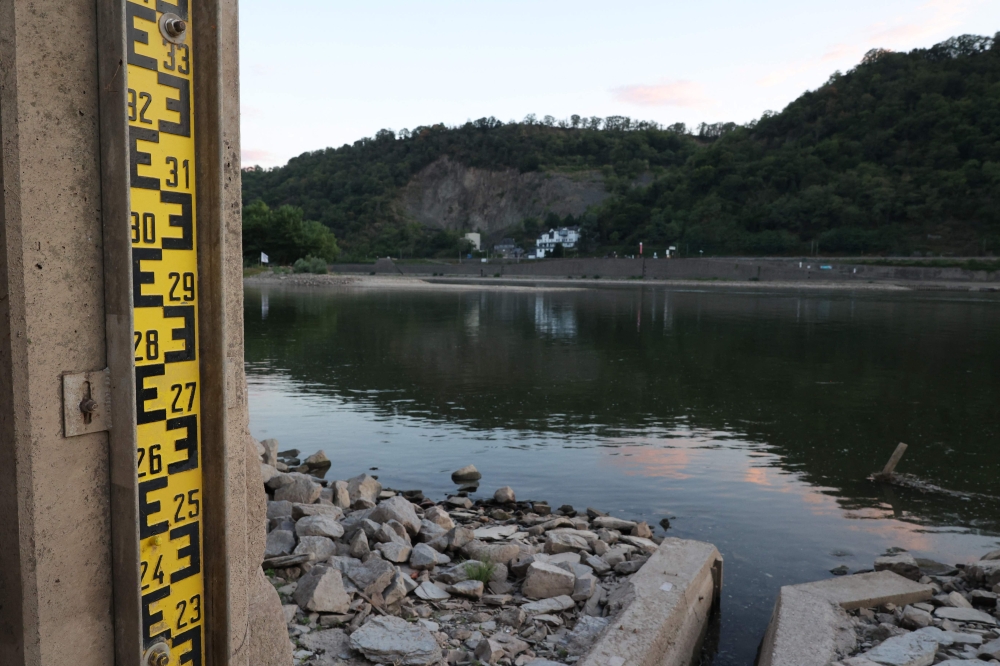
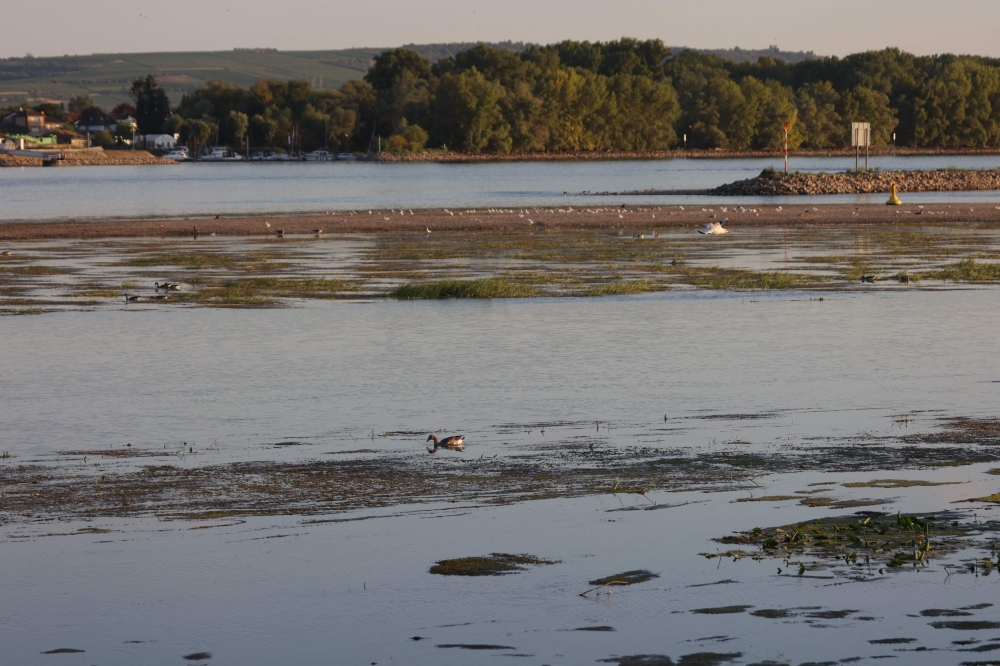
The Rhine river in Germany on Friday fell below a key waterline level used as a reference for judging its accessibility for shipping. The water dropped below the 40-centimeter (15.7-inch) reference level in Kaub, a noted bottleneck for shipping where the Rhine runs narrow and shallow. That level is considered necessary for much of the transport along the river. But it fell to 38 cm in the early evening in Kaub, about 30 kilometers (18 miles) south of Koblenz, and was expected to fall further by Monday, according to data and forecasts by the federal waterways authority.
Transport company Contargo warned its barges would "not be able to sail without danger". "For reasons of safety, we shall have to largely discontinue our navigation on the Upper and Middle Rhine", it said on its website, noting that "no significant rainfall is expected in the coming days".
About four percent of freight is transported by sea in Germany, including on the Rhine, which originates in Switzerland and runs through several countries including France and Germany before flowing into the sea in the Netherlands. The Rhine has become more important in recent months because, to reduce its dependence on Russian gas in particular, Germany is looking to coal. But the large power plants are mainly located around the Rhine, a key river for their supply.
Germany's biggest companies have already warned that major disruptions to river traffic could deal another blow to an economy already beset by logistical difficulties.
The 2018 drought, which saw the benchmark depth of the Rhine in Kaub drop to 25 centimetres in October, shrank German GDP by 0.2 percent that year, according to Deutsche Bank Research.
Oman Observer is now on the WhatsApp channel. Click here