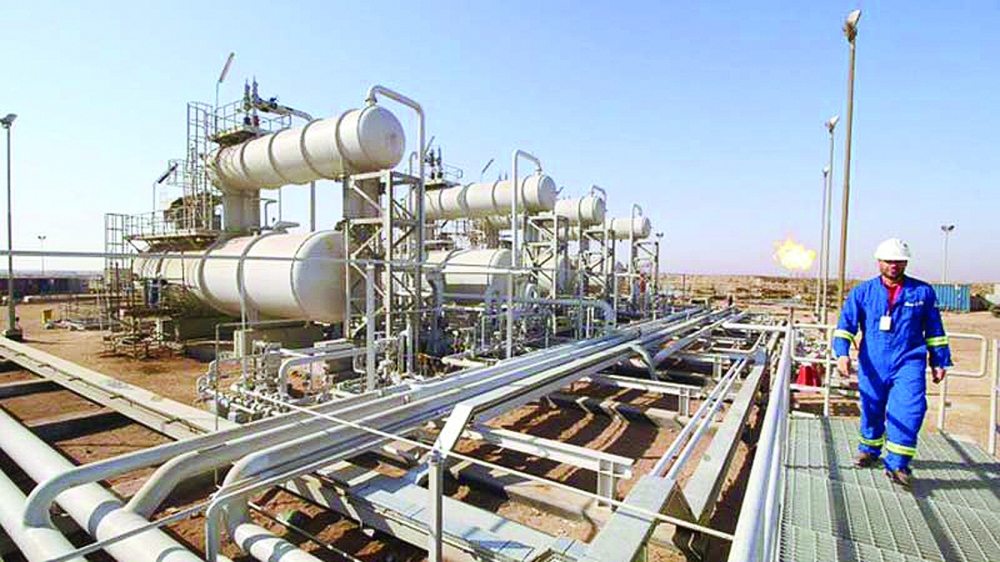





The latest Economic Insight report for the Sultanate of Oman, commissioned by ICAEW and compiled by Oxford Economics, reveals Oman’s oil production has risen above 1 million barrels per day, from an average of 970,000 barrels per day in 2021, as elevated oil prices drive economic recovery following the Covid-19 pandemic.
According to the report for Q2, increasing commodity and food prices driven higher by the Russia-Ukraine conflict are weighing moderately on Oman’s outlook. However, gains made in the hydrocarbon sector will offset higher costs, with oil production set to increase over 5 per cent this year and gas output expected to rebound, following a pullback in January and February. Continued investment in the gas sector should further boost production capacity by 0.5 million cubic feet within the next two years, supporting GDP growth.
Expansion is also expected from the non-oil industries, including tourism, having been hard hit by the Covid-19 pandemic. Oman’s recovery has been underpinned by the government’s strong response to control the outbreak. Although new restrictions came into force in April, these have since been relaxed, enabling tourism to rebound and the economy to continue its recovery.
Oman's economy is beginning to benefit from the reforms introduced over the past two years, leading to its first credit rating upgrade from S&P Global Ratings since 2007. Oil windfalls and higher non-oil revenues, including from the introduction of VAT last year, have supported improved economic performance. As a result, Oman is expected to post an annual budget surplus, forecast at 5 per cent of GDP, for the first time since 2008, following a recorded surplus of RO 357 million at the end of March. Against this positive backdrop, the authorities announced they would boost development expenditure to RO 1.1bn in 2022, an increase of RO 0.2 billion from the original budget, with additional allocations planned in subsequent years.
The recently introduced economic reforms, including in the labour market, will support job creation and stimulate growth in the expat workforce. This has led to a bounceback in private-sector jobs, following a steady decline since 2017, including a steep 15 per cent year-on-year drop in 2020 as businesses reacted to the pandemic. However, a full recovery in the labour market is expected to take several years.
Vanessa Heywood, ICAEW Head of Middle East, said: “His Majesty Sultan Haitham bin Tarik has made great strides in improving the domestic landscape since he assumed power two years ago, with the diversification objectives enshrined in Oman Vision 2040 a key undertaking. The Leadership has also given impetus to its reform agenda to attract foreign investment, including allowing full foreign ownership of local companies and more flexible property purchase rules.” Scott Livermore, ICAEW Economic Adviser, and Chief Economist and Managing Director, Oxford Economics Middle East, said: “Oman has rebounded strongly from 2020 where there was a sizeable budget gap and decline in private-sector employment. While oil has been the primary driver of the current economic upturn across the region, it is Oman’s reform policy that has been instrumental in transforming the economy beyond hydrocarbons. This will enable the country to utilise its short-term gains for long-term prosperity, as set out in Oman Vision 2040.” In the near-term, ICAEW expects Oman to face headwinds from the lockdown-induced economic slowdown in China, the largest buyer of Oman’s oil. Beyond the near-term, oil dependency remains an underlying risk, with the potential for a downturn in oil prices to renew financing pressures.
Alongside the region and most of the world, households and businesses are facing rising costs, with the war in Ukraine exacerbating price pressures stemming from disrupted supply chains and food and energy inflation. Inflation rates have slowed to 2.6 per cent in April, from 4 per cent in Q1, due to the base effect of VAT being introduced last year. Overall, ICAEW forecasts inflation to average 2.8 per cent this year, before falling back below 2 per cent in 2023.
Oman Observer is now on the WhatsApp channel. Click here