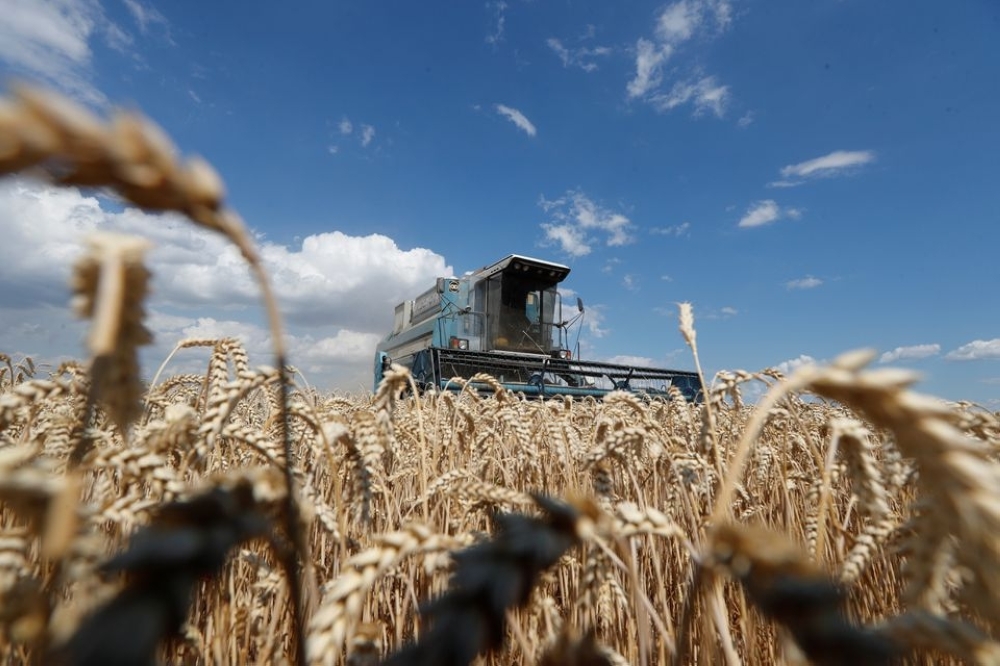





Paris: Wheat prices surged to a new record high on Monday after India decided to ban exports of the commodity as a heatwave hit production.
The price jumped to 435 euros ($453) per tonne as the European market opened. Global wheat prices have soared on supply fears since Russia's February invasion of agricultural powerhouse Ukraine, which previously accounted for 12 percent of global exports. The spike, exacerbated by fertiliser shortages and poor harvests, has fuelled inflation globally and raised fears of famine and social unrest in poorer countries.
India, the world's second-largest wheat producer, said on Saturday that it was banning exports after its hottest March on record.
New Delhi said factors including lower production and sharply higher global prices meant it was worried about the food security of its own 1.4 billion people. Export deals agreed before the directive issued on May 13 could still be honoured but future shipments needed government approval, it said. However, exports could also take place if New Delhi approved requests from other governments "to meet their food security needs".
India, which possesses major buffer stocks, previously said it was ready to help fill some of the supply shortages caused by the Ukraine war. The export ban drew sharp criticism from the Group of Seven industrialised nations, which said that such measures "would worsen the crisis" of rising commodity prices.
Oman Observer is now on the WhatsApp channel. Click here