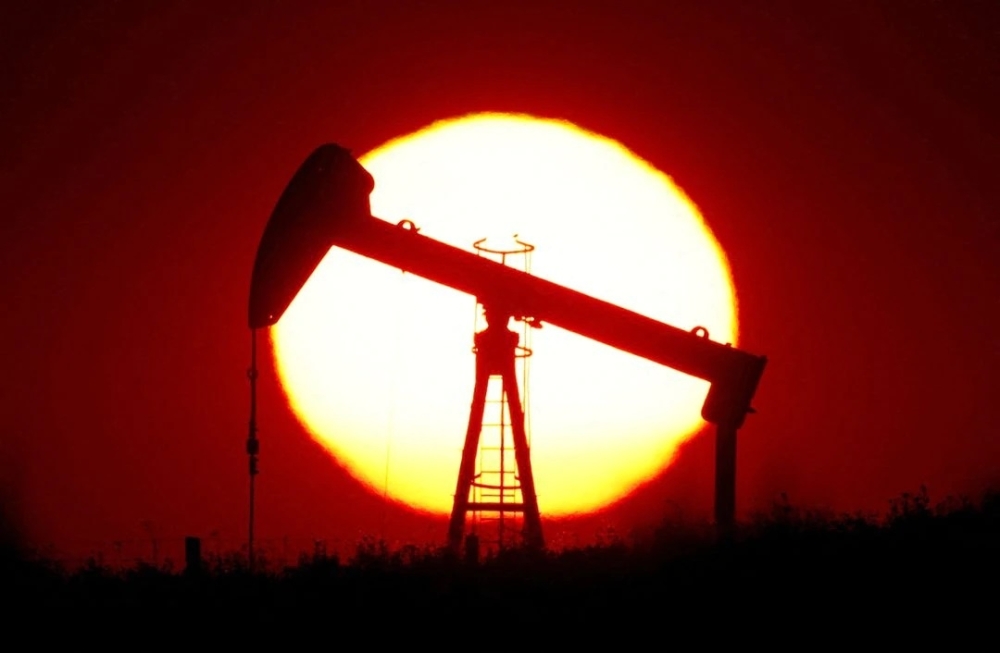





Oil prices stabilised around $100 - the highest level since 2014 - are unsurprisingly benefiting the Gulf countries. However, rising agricultural commodity prices are putting upward pressure on consumer price inflation, a report by leading international trade credit insurer Coface has warned.
Despite diversification efforts, hydrocarbons still represent a major source of revenue for the Gulf countries, according to the French-headquartered agency. Hydrocarbon production accounts for around 30 per cent of GDP in the UAE, 40 per cent in Qatar and Saudi Arabia, 20 per cent in Bahrain and 45 per cent in Kuwait and the Sultanate of Oman.
Higher oil prices should thus allow the Gulf states to increase public sector spending and investment throughout the region. These account for nearly 40 per cent of total final consumption expenditures and 20 per cent of total investment in Saudi Arabia, the Coface report noted.
Significantly, higher energy prices will also boost the sentiment in the private sector, helping to increase investment in non-oil activities, according to the report.
The PMI data indicates that output growth remains strong in the UAE and Saudi Arabia. Both countries remain in competition to attract the foreign direct investment needed to diversify their economies. Rising hydrocarbon revenues are also expected to support the contribution of net exports to GDP growth, particularly in Kuwait and Qatar (hydrocarbons account for around 90 per cent of total exports), Saudi Arabia (70 per cent) and the Sultanate of Oman (65 per cent), the report stated.
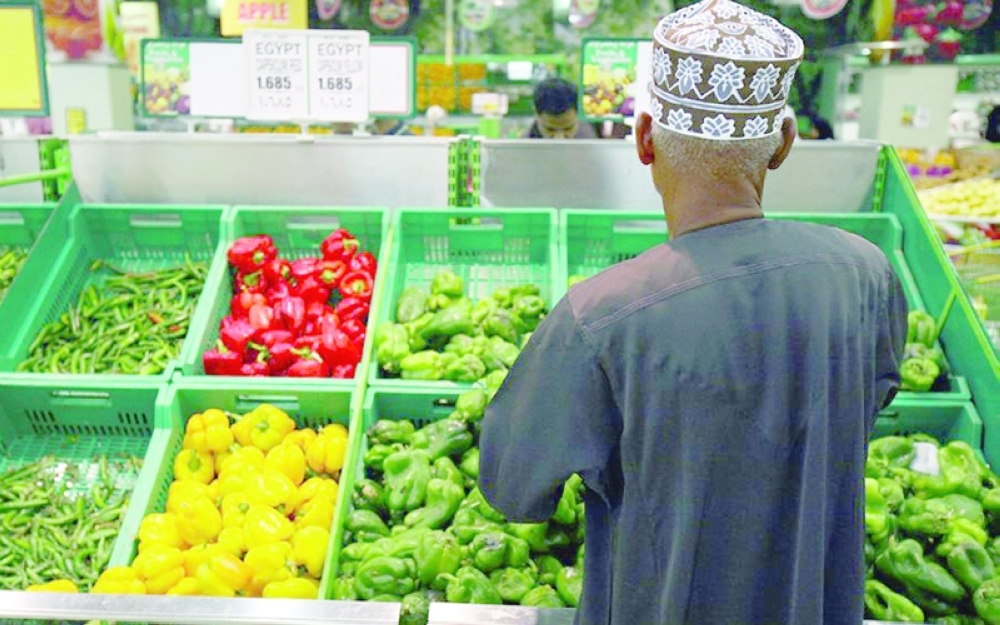
Despite the improved economic performance, especially for exports, higher prices for all commodities, including food, will strengthen inflationary pressures in the region. These pressures will be exacerbated by high shipping costs, warned Coface.
“The Gulf countries import 85 per cent of their food needs. To increase the food supply stability, governments have opted to buy lands in producer countries, mostly in Africa and Asia. However, food accessibility can become a challenge as many producing countries have started to cap their exports to meet domestic needs and moderate inflation. Thus, while inflation in the Gulf countries will remain lower than in other areas, mainly on the back of cheaper domestically produced energy, it is expected to increase above 2.5 per cent on average,” said Coface, adding that Saudi Arabia should be an exception, as it will benefit from a favourable VAT base effect.
Furthermore, although higher energy prices will improve fiscal balances in the GCC countries, high wage bills, due in part to the number of people employed in the public sector, will continue to weigh on budgets. For example, Kuwait's budget allocates 55 per cent of its total expenditure to wages and benefits by 2022, the report noted, citing the World Bank.
Overall, the outlook for growth and inflation will make central bankers in the Gulf countries confident in implementing rate hikes, it said. Coface noted in this regard that In March, the central banks of Qatar, Kuwait, Saudi Arabia, the United Arab Emirates and Bahrain raised rates by 25 basis points following the Fed's decision.
“If the Fed tightens more aggressively than expected, the tightening of financial conditions could weigh on the momentum of domestic consumption and investment in the region,” it cautioned however.
The report also warns that Gulf countries are “unlikely” to be able to compensate for the partial withdrawal of Russian oil from international markets.
“Saudi Arabia's share of EU crude oil imports is almost 7.5 per cent, while that of the UAE is less than 1 per cent. These countries have been able to secure long-term contracts with their Asian customers through long-standing relationships. For example, 90 per cent of Qatar's exports are tied with long-term contracts with Asian customers. Nevertheless, Qatar and Germany agreed on a long-term energy partnership in March to progress discussions on long-term LNG supplies. The EU now imports 5 per cent of its natural gas from Qatar, compared to 41 per cent from Russia and 16 per cent from Norway,” Coface added in conclusion.
Paris-based Coface is a leader in trade credit insurance and adjacent specialty services, including Factoring, Debt Collection, Single Risk insurance, Bonding and Information services. The Group's services and solutions strengthen their ability to sell by protecting them against the risks of non-payment in their domestic and export markets. In 2021, Coface employed around 4,500 people and registered a turnover of €1.57 billion.
Oman Observer is now on the WhatsApp channel. Click here