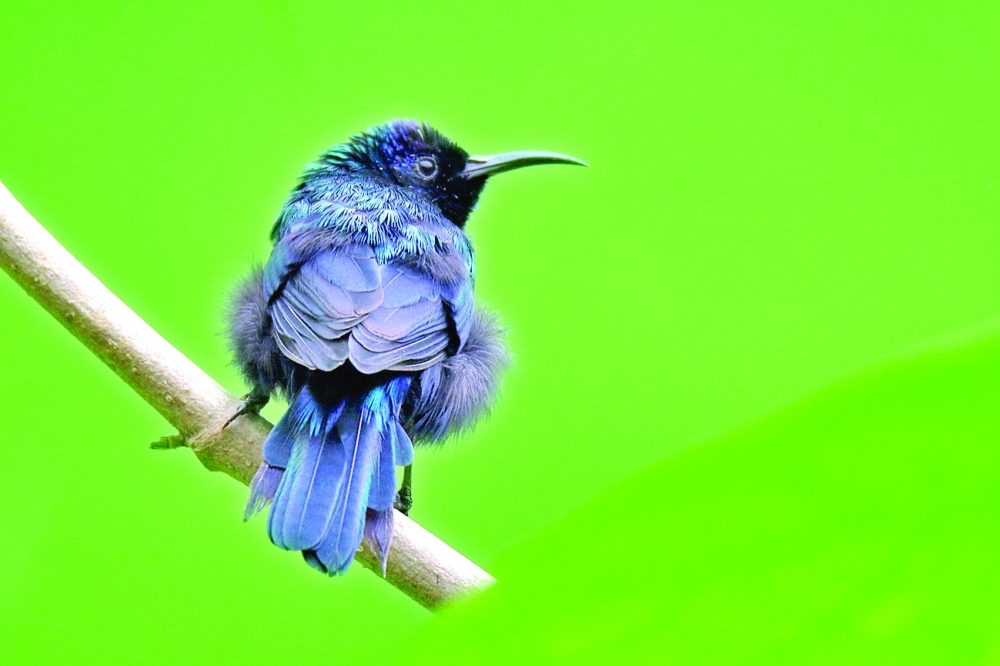
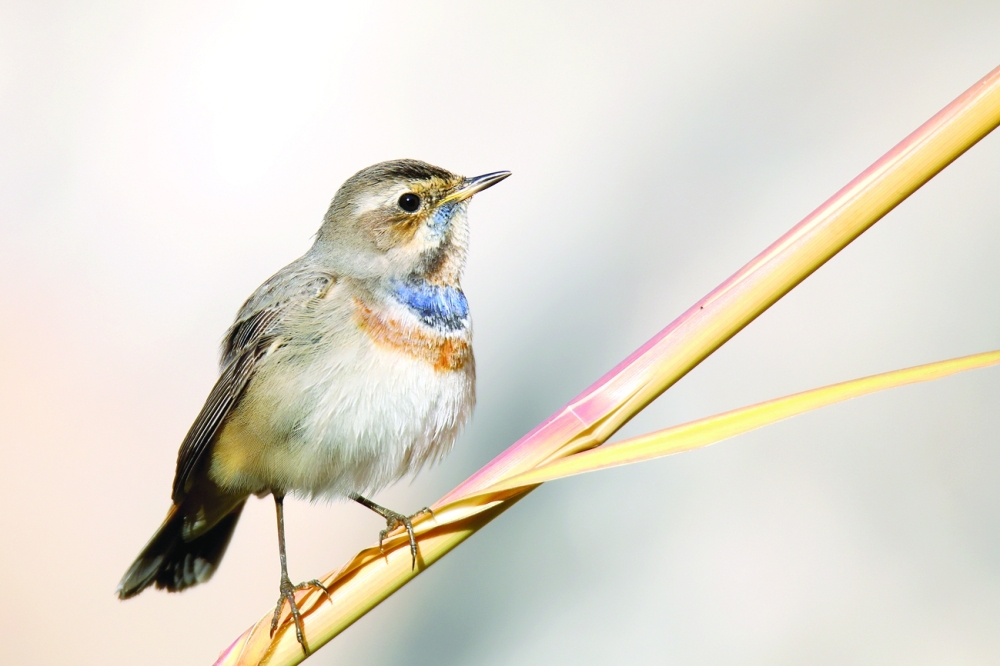
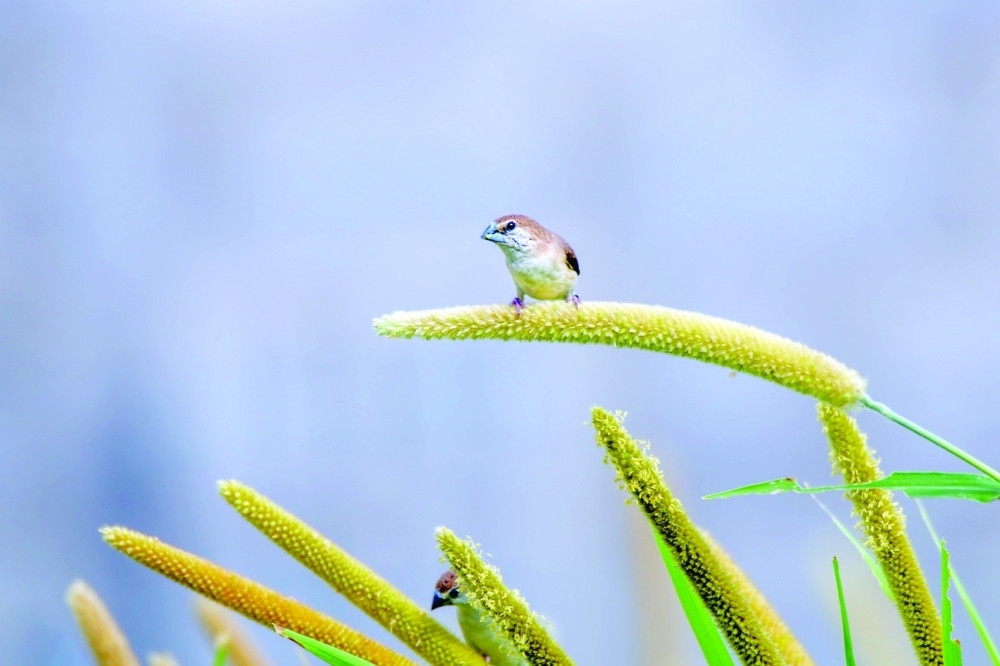
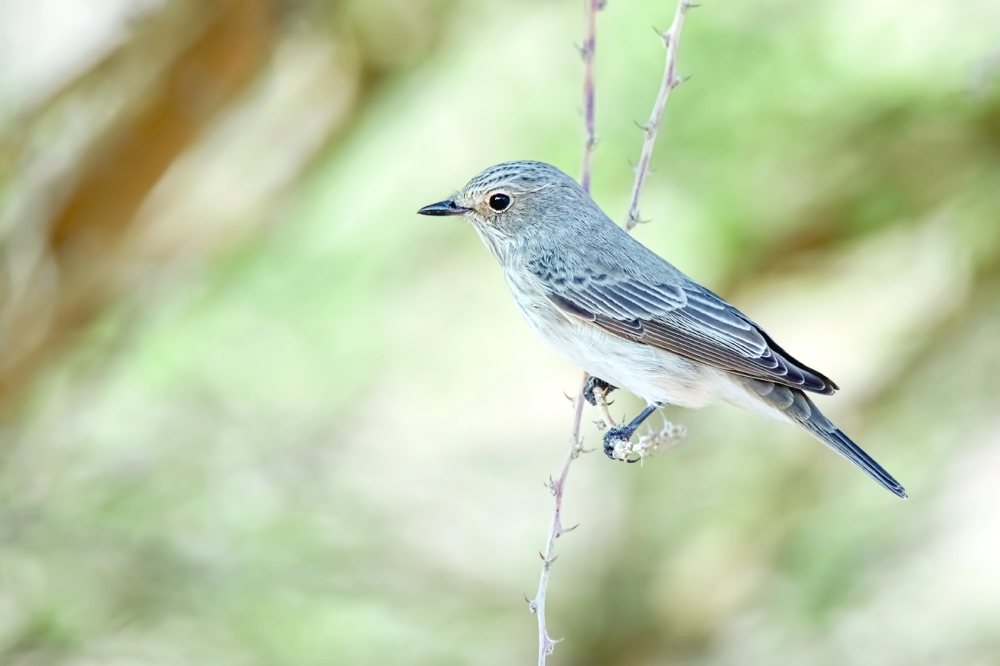
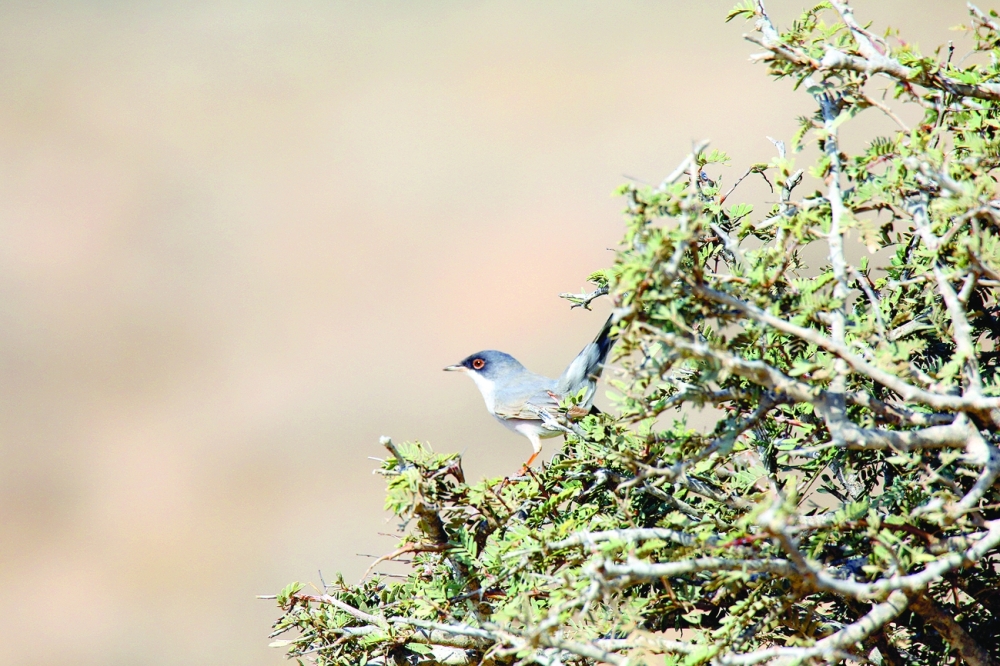
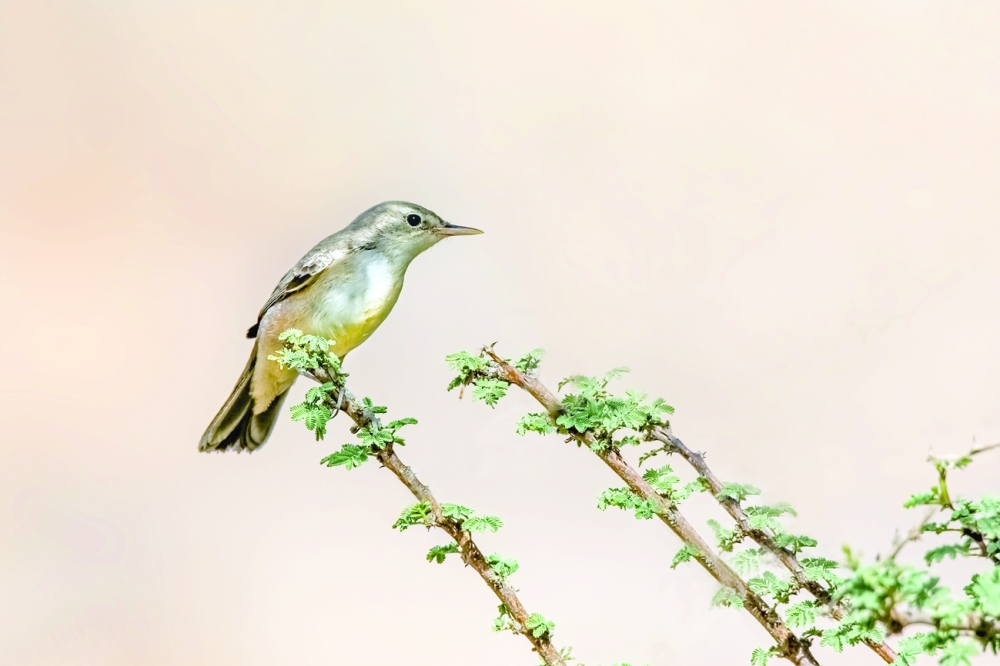
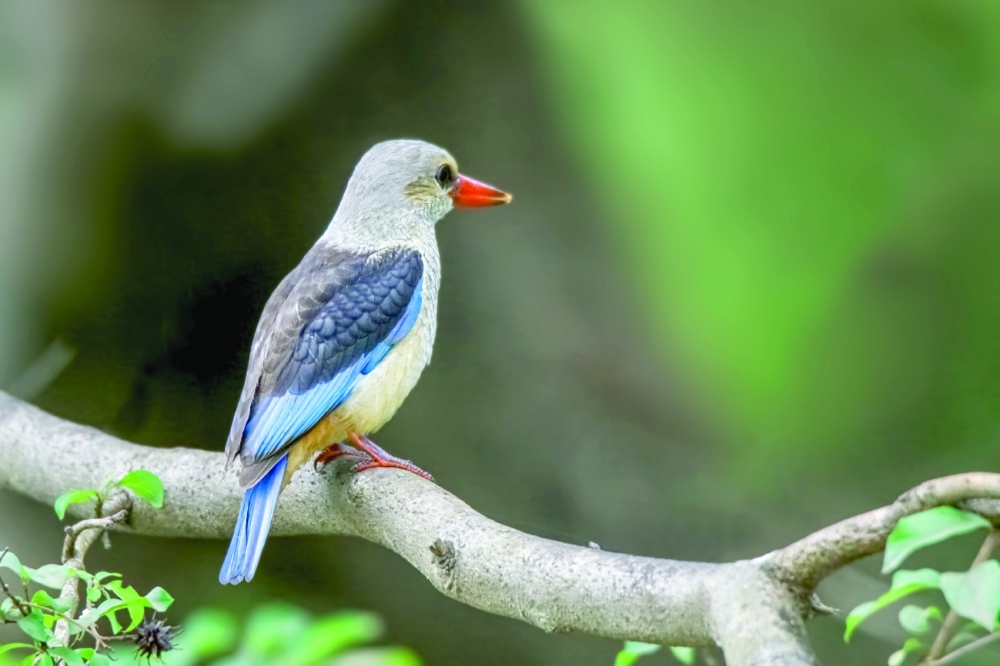
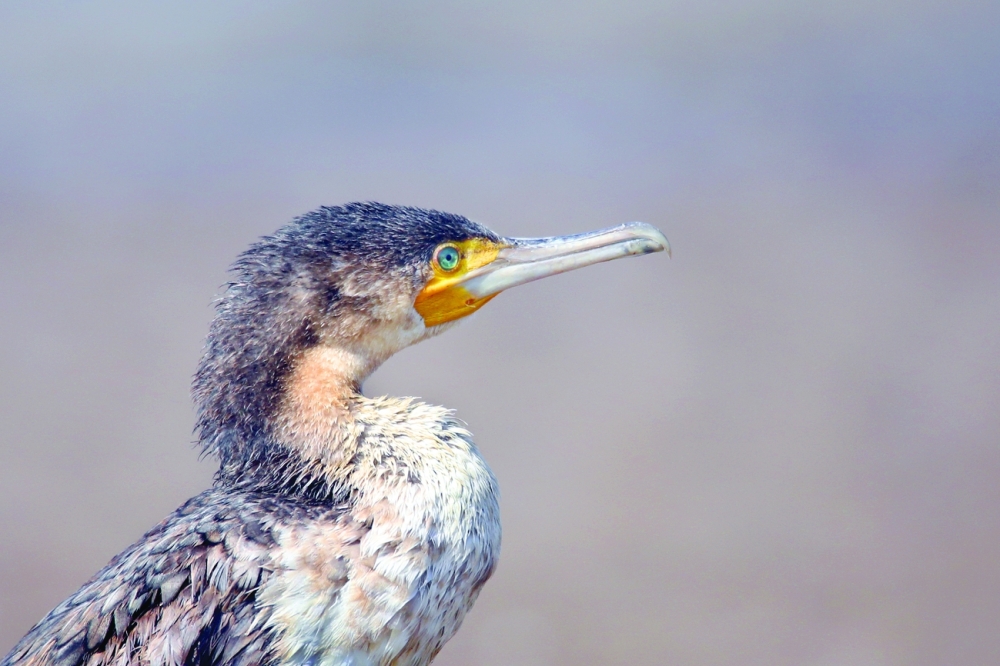
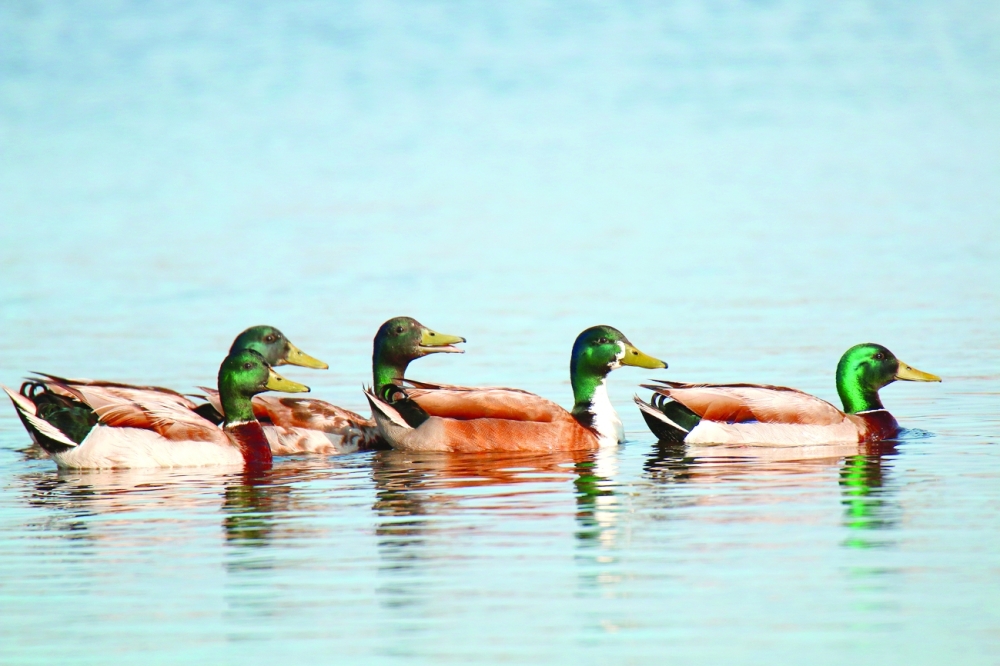
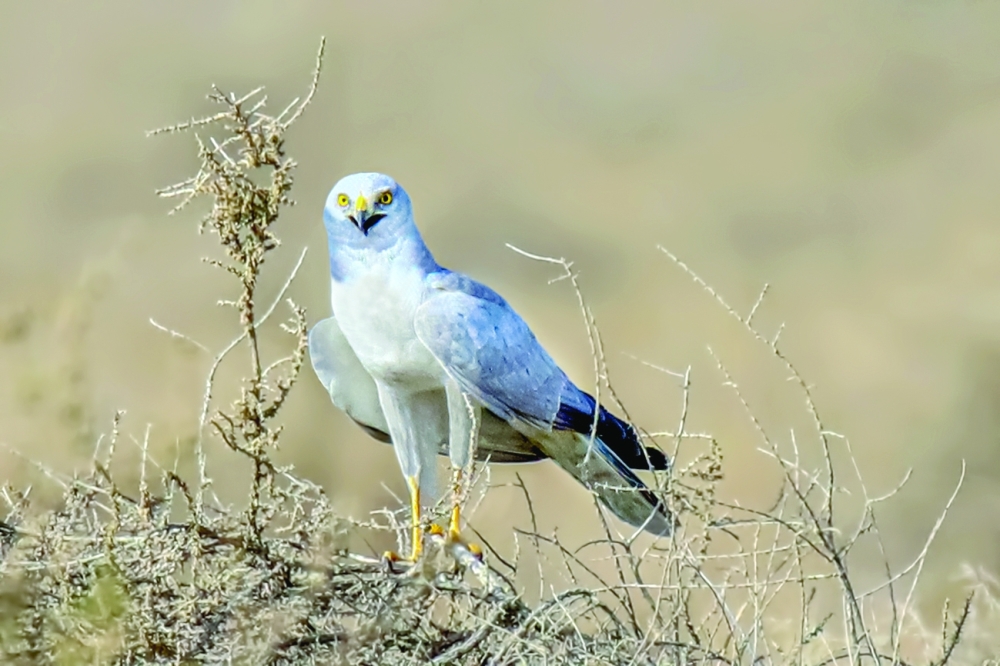
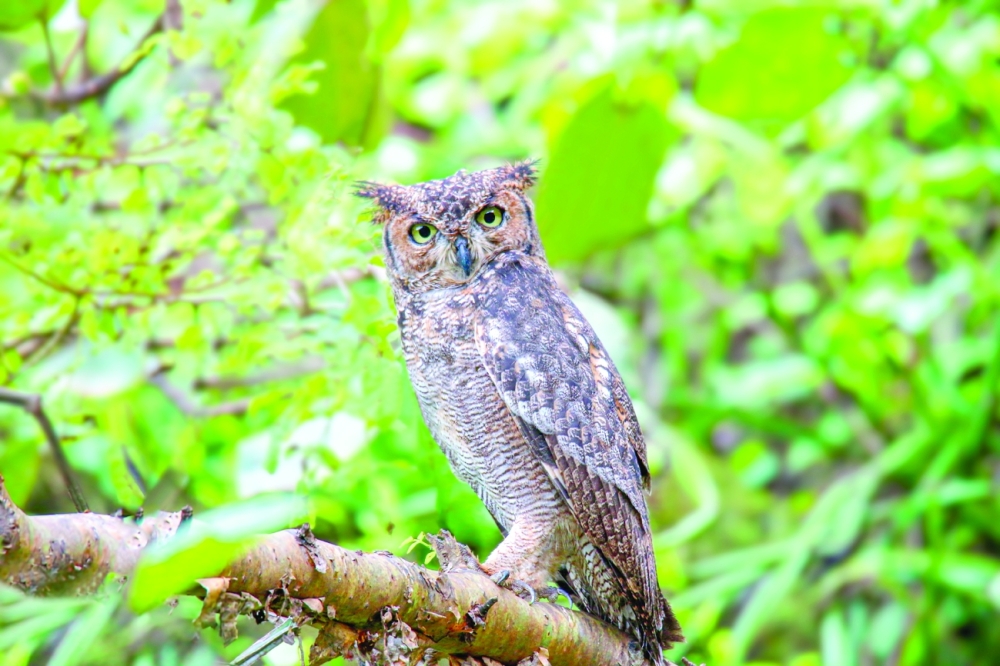
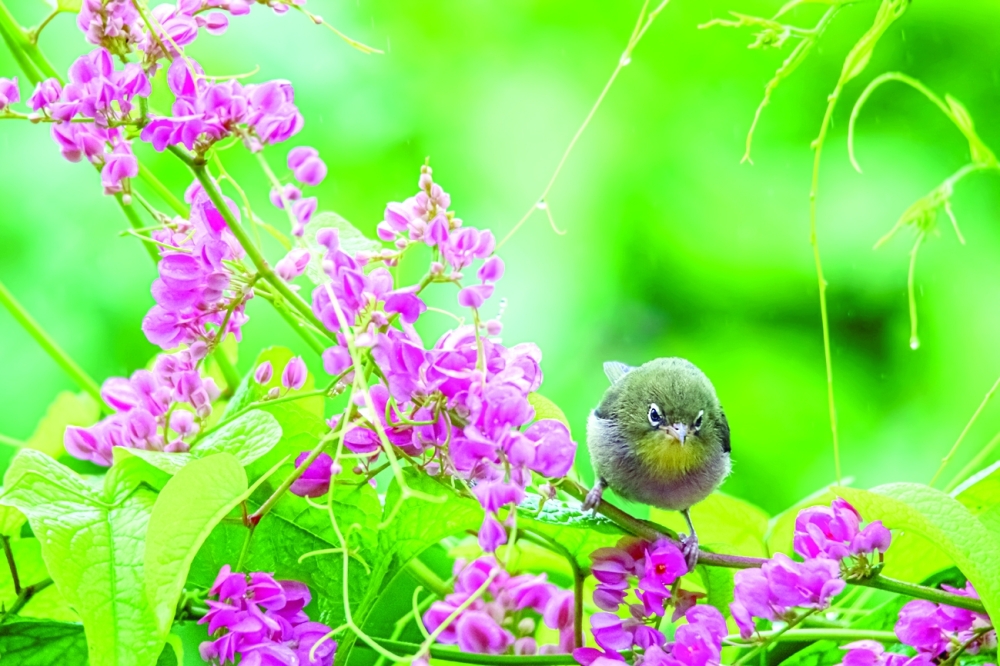
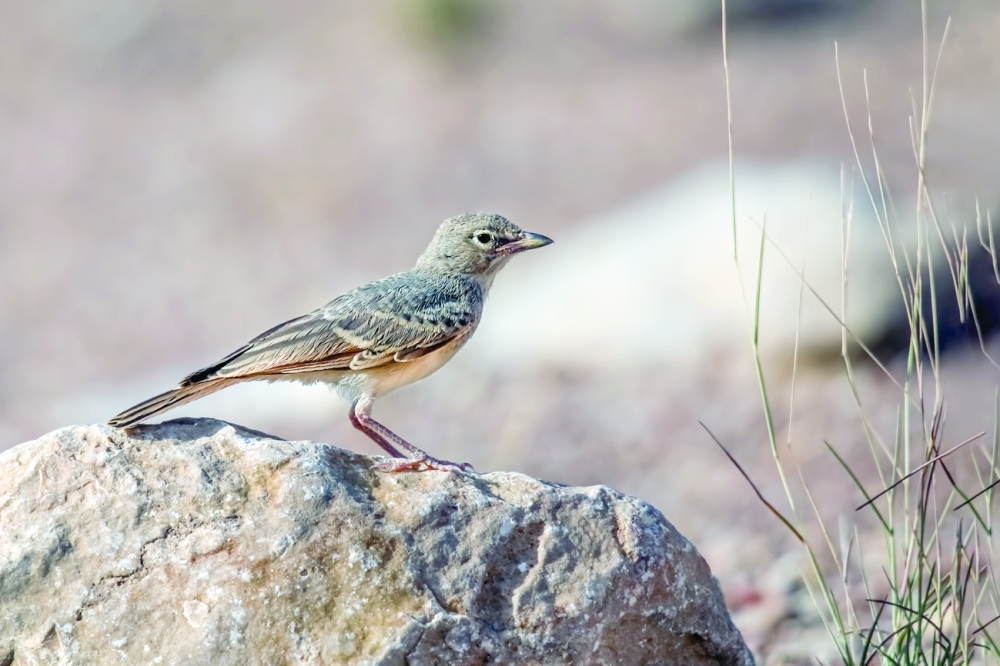
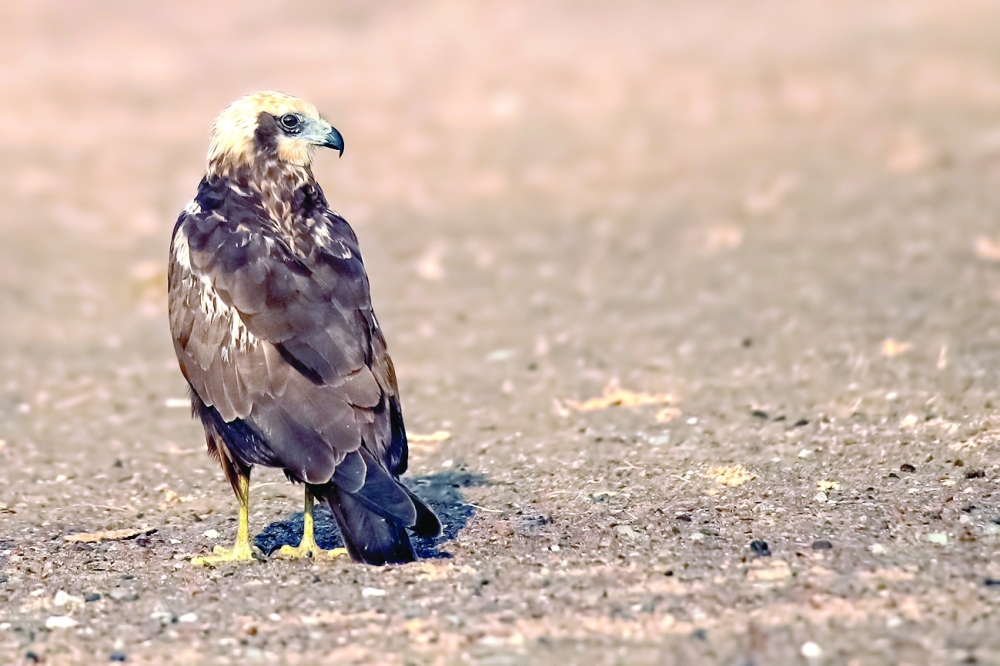
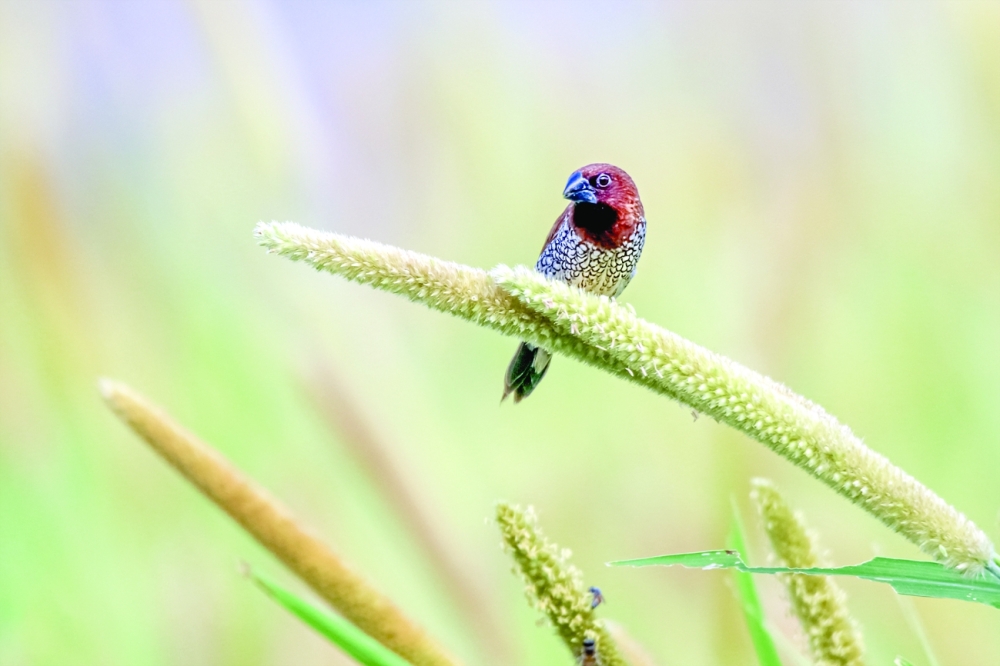
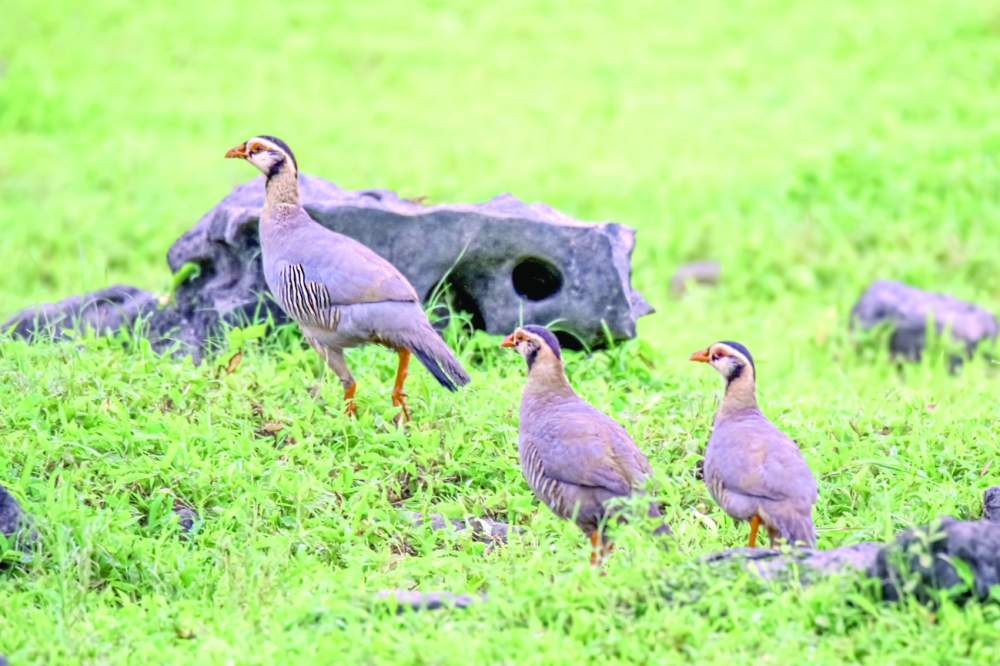
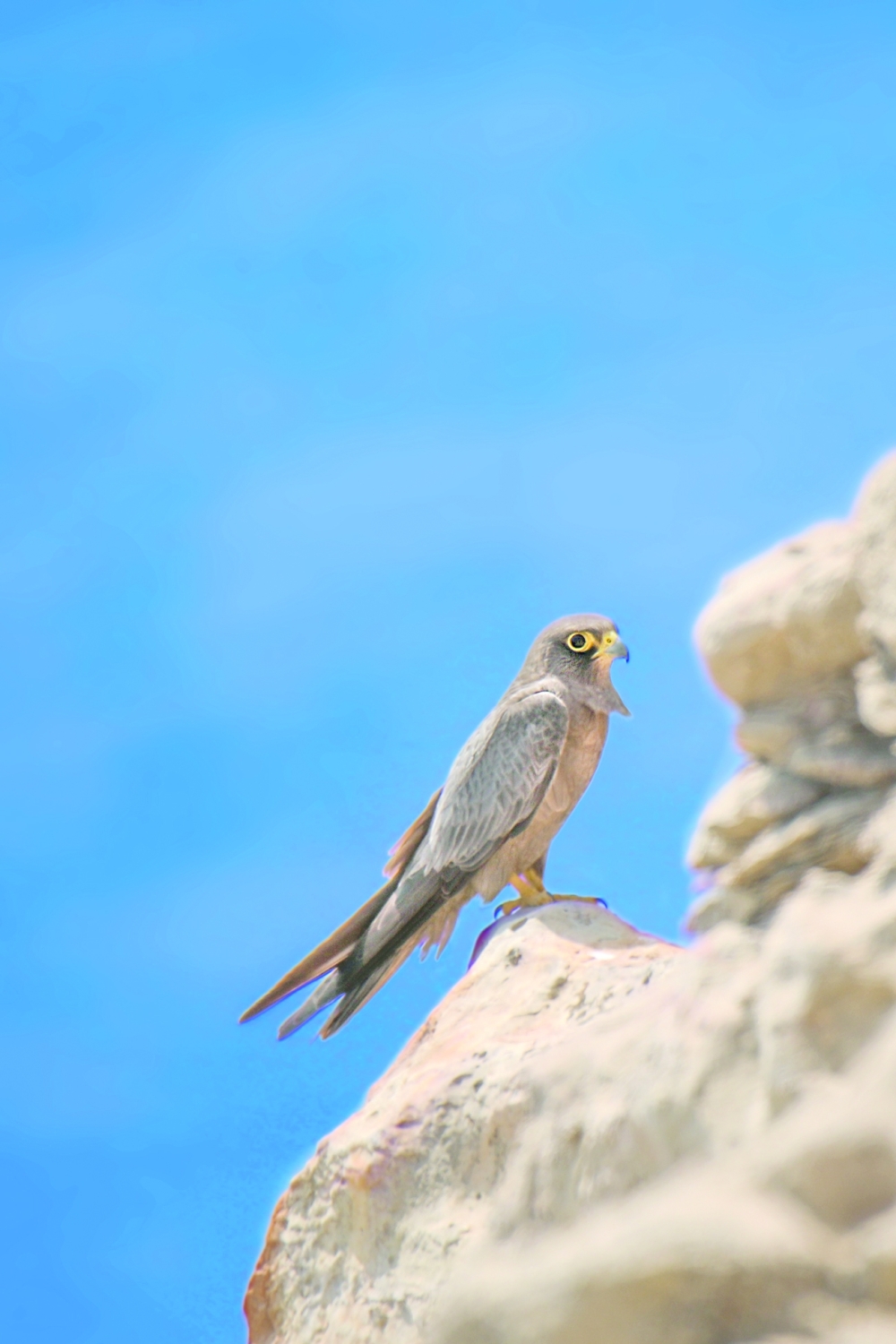





Bird photography is one of the most exciting fields in the profession of photography. Capturing the right picture is a rewarding experience for a photographer, but it might not always happen as you expect. A photographer needs to have the right ingredients for a successful shot to capture that right image. The photographer should know the right formula for capturing a rewarding photo. To get a quality image, the photographer should capture the object at the right time, in the right location with the right gears. The same principles apply to bird photography as well. A perfect combination of location, timings, and proper gears will help you capture the most exciting shot that gives a rewarding experience for a lifetime. Bird photography can be practised as a hobby or as a different profession along with their main career. Practising bird photography offers an absolute blissful opportunity to vent out work-related stress by being with nature and being in friendship with the most beautiful, melodious, and colourful creatures of nature.
The author wants to share some of his convictions and perception about bird photography with those interested in knowing about this art in its minute details. Oman possesses one of the best exciting geographical and ecological terrains for enthusiastic bird photographers.
Selection of Birding spot
Site selection differs in every birding expedition of mine depending on what type and species of birds I want to capture for a particular day. The place varies from gravel desert to seashores and wetlands, from mountains to wadis. Each area has its unique species of regional birds besides migratory birds. In Oman, my favourite place for birding is Al Ansab wetland, Qurum National Park, Salalah, wadis and the deserts of the Northern parts of Oman, Green farms in Al Musannah in Al Batinah and farmlands in Al Dhahirah regions of Oman. Each area has its peculiarities and has specific species of birds.
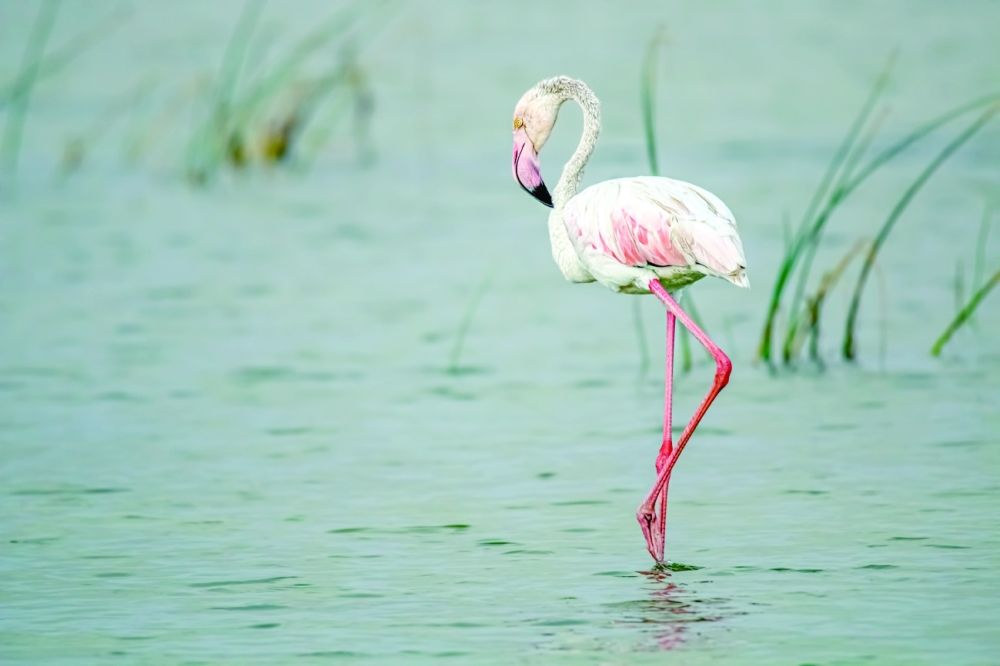
Wetlands have an incredible ecosystem that helps to inhabit many species of amphibians, insects, aquatic plants, and macrophytes. Wetland is a home for water birds and several migratory birds also. Steppe wetlands are the most notable among all wetlands; as these ecosystems are water areas with plenteous steppes with abundant food and water, they invariably become a vast haven of avian life.
Climatic changes adversely affect these ecosystems, mainly migratory species. Due to climate change, these birds are changing their migration routes. As these wetlands' steppe contributes to an ecological balance and serves as a source of natural biodiversity, these ecosystems should be preserved by creating artificial lagoons and planting mangroves.
Oman's wild but serene yellowish boundless beautiful deserts are yet another preferred place for my birding adventures. Birds mostly sighted in deserts are; the desert lark, Omani owl, desert owl, Indian roller, bluethroat, whitethroat, Egyptian vultures etc. Deep wadis, particularly on the foothills and plains of the Al Hajar Mountains, are yet another place for my routine weekend birding trips.
Salalah, in the Dhofar Mountains, is undoubtedly one of the best birding sites for bird photographers. I do visit Salalah often to get catch hold of a glimpse of native and migratory birds. I have got some best birds pictures from here too.
Most Memorable Birding Collections and My Favourite Capture
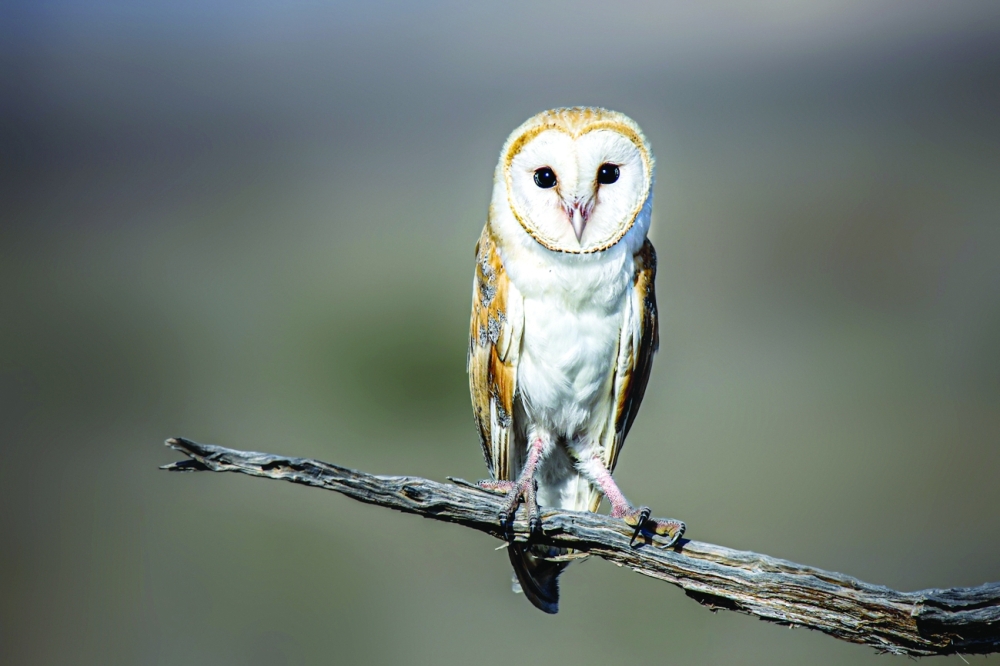
All photographers have a story to narrate behind all their memorable photos, even though all are equally important to them. For me, photographing an owl has always been a treasured shot. I love to take pictures of the barn owl at their perch. Owls are undoubtedly stunning creatures, although folk tales talk eerie about them. As a bird photographer, I always wonder about the most fascinating and enigmatic bird, owls. If we can surpass the mystical fantasies encircling this unique bird and learn about this profound avian life, they indeed enthuse us.
Owls have remarkable sensory powers, hunting techniques, and lifestyles; they significantly contribute to their ecosystem. Owls have been revered and dreaded throughout human history, liked and disliked, wise and unwise, boon and bane, associated with witchcraft and medicine, and portrayed as a harbinger of birth and death in many civilizations. These nocturnal birds have suffered poaching and persecution significantly since time immemorial because of their mysteries. Watching the owls in their natural habitat is an exciting experience for both birders and non-birders alike. Oman is blessed with the presence of myriad owl species.
The massive rocky mountains, mainly Al Hajar Mountains with deep canyons and caves, are natural habitats for enigmatic owls. Wadis and green farmlands are homes to Pallid Scops owl and barn owls. The most challenging trip in my photographic career was trekking to the Al Aqar Mountains near Shinas to capture the image of a Pharaoh eagle-owl. The trekking during the lockdown period in April 2021 was an unforgettable event in my bird photographic journey. A few friends and I started from Ibri, headed to Al Aqar Mountains, and walked into the vast deserts, climbing rocky mountains at night. We got the news that a Pharaoh Eagle-owl and family were roosting in some caves in that mountain through some birding networking groups. Though, these owls are widespread in the northern part of Oman but are rare to get sighted. Therefore, we decided to capture its image from the cave where it is roosting, but that cave was on the top of a mountain with a steep slope, where we could not be able to stand or sit to click the image. Climbing on the mountain top itself was a herculean task, but capturing it from its habitat was yet another challenge. At last, we were able to capture some good pictures. Farmlands near Ibri gave me some stunning pictures of the barn owl.
Essentials
Personal attributes for a bird photographer.
• Birds have lots of details. When photographing a bird, the photographer has to show his/her viewers these details. Be patient and have an eye for these details.
• No animal/bird likes to be disturbed in its natural habitats. Do not disturb its natural habitat or movements. Do not make any noise while shooting a bird's photo. A dedicated photographer must have keen observatory skills and learn to know the subtle movements/signs in nature.
• Photography is an art. To excel in this art, you need to have an eye to see things and imagine differently. This uniqueness makes your images unique.
Technical tips for bird photography
For a striking photograph, the image should be in sharp focus, a correct balance of light and follows the compositional rules of space and backgrounds. First of all, the lighting decides the quality of your image; lighting can make or break your pictures. The raking sunlight over the bird's feathers would bring out the fine details of its feather. Therefore be mindful to choose the right time for your birding trips. The best time is either dawn or dusk. Avoid time during the middle of the day and when the sunlight is more. If you can capture a shot with the Sun showing in the bird's eye, you can be rightly called a bird photographer, and you are into the real art of birding photography. In photography, it's called a "Catch light." Focus should be on the bird's eyes. It gives a feeling and emotion to your images, thus making them lively photos.
Space between the photographer and the object do matters also! Give birds space to fly into. Stay at a right angle where you can capture the image with clarity and completeness. Suitable space too helps to create a realistic sense of motion or flight. Learn how to get closer to your objects without producing stress for the wildlife. Zoom with your feet. The purpose of super-telephoto lenses is to help you fill the viewfinder with your subject, NOT to allow you to capture photographs from great distances. Besides, the farther you are away from your subject, the more air the light must pass through, which causes a significant loss of the image's sharpness.
A clean, soft, and blurred background should make the real image "pops out". Avoid any man-made objects and bright lights in the background, and ensure its background is as natural as it is. Avoid taking bird photographs when the background is plain and boring. Remove unnecessary things or lights in the background. Remember, birds should be the main object that viewers see in your picture. What is most important is to get a relationship between you and the subject. There is no set formula for what makes a good image. The photographer gradually excels in photography through practice. For this, watch over the golden rule “Practice makes one perfect”.
Right Gears Matter
Birds are timid and fly away swiftly. You have only a few seconds to capture that moment. One needs to have at least a 300 mm focal length lens and a camera with 6 FPS to capture the images of birds in flight. The prime requirement for a birding lens is its reach (focal length). The lens should have fast autofocus and a large focal length. Most of the time, it is the budget of the photographer to decide how much he can invest in such gear. A 150-600 or 100-500 lens allows you to change the focal length in wildlife photography. It is advisable to carry a sturdy tripod. Though it adds to the burden of carrying heavy gadgets, the difference in image quality is tremendous, which can offset the pain you take. It is advisable to have a camera bag with spare batteries, memory cards, and a lens cleaning kit. If you are going to capture nocturnal birds, especially owls, take a flashlight.
Last but not least, I would like to reiterate the quoted by Lucas Gentry, “Photography has nothing to do with the cameras”. Yes, it's not the camera or gears that matters, but the right fusion of the passion and the patience of the photographer who is ready to go to any extent to capture the bird's image that his heart always cherishes to click. If you have enough patience and skill, it is possible to get quality photos, even with a cheap point-and-shoot camera. Bear in mind that the photograph is only secondary, but experiencing nature is the real prize.
Oman Observer is now on the WhatsApp channel. Click here