




COLOMBO: The International Monetary Fund said on Wednesday that it has asked cash-strapped Sri Lanka to "restructure" its huge foreign debt before a bailout programme could be finalised as anti-government protests escalated across the island.
Sri Lanka opened talks with the IMF in Washington this week after announcing its first ever default on external borrowings.
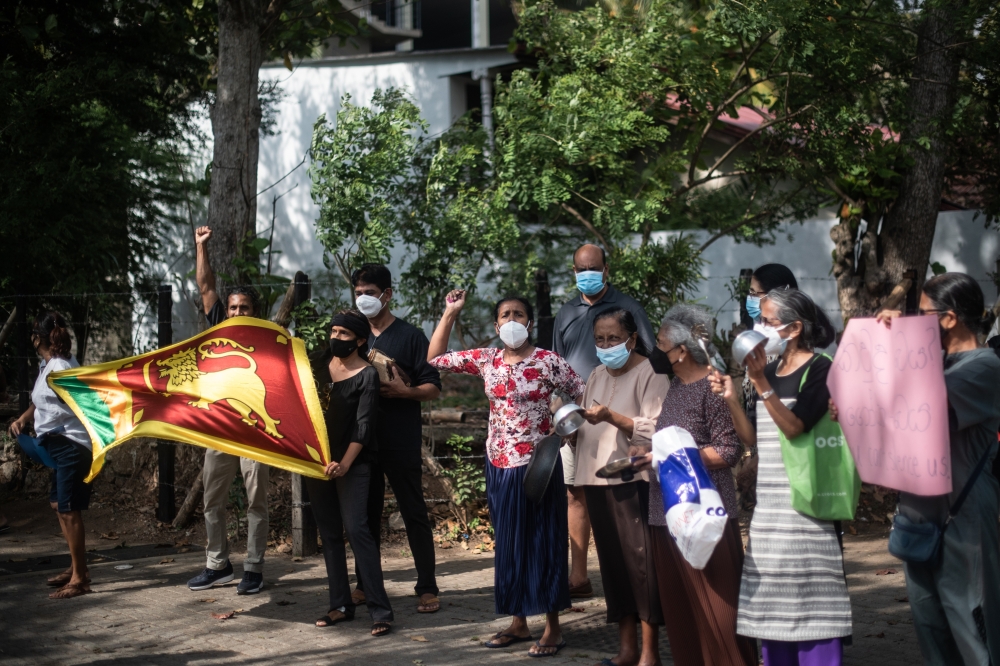
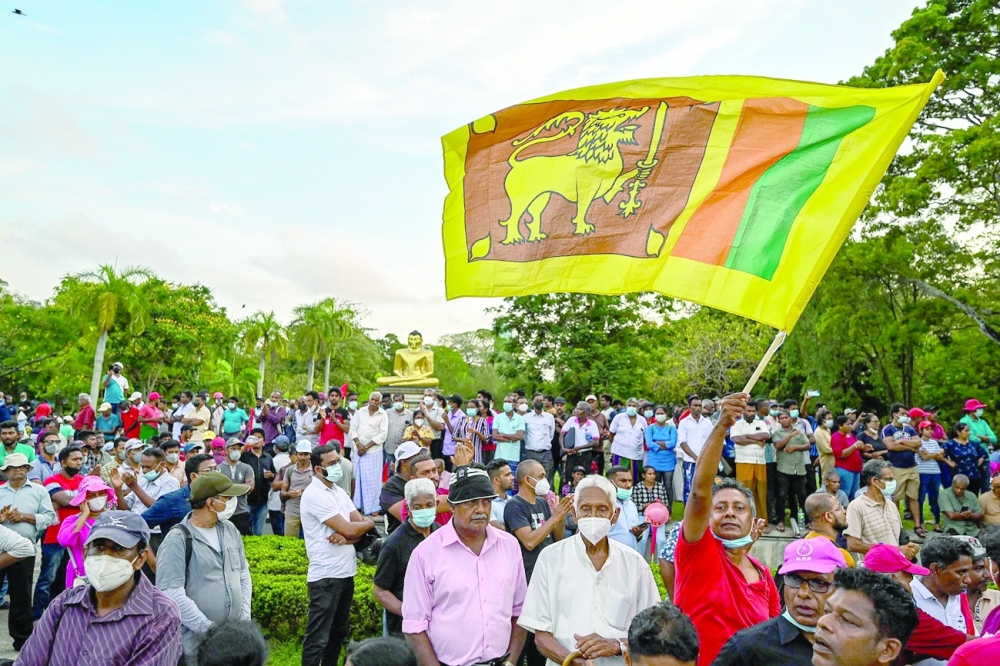
The South Asia country is in the grip of its worst economic crisis since independence in 1948 and has been rocked by a wave of protests over food and fuel shortages.
"When the IMF determines that a country's debt is not sustainable, the country needs to take steps to restore debt sustainability prior to IMF lending," the Fund's country director Masahiro Nozaki said in a statement.
"Approval of an IMF-supported programme for Sri Lanka would require adequate assurances that debt sustainability will be restored."
The IMF said talks with Sri Lanka were still at an "early stage," but it was "very concerned" about the economic situation and the hardships suffered by people, especially the poor and vulnerable.
Earlier this year, the IMF warned Sri Lanka's approximately $51 billion foreign debt was unsustainable.
Colombo's existing debt also means the country cannot apply for emergency financing, the IMF said.
Sources in the country's finance ministry have made it clear that debt restructuring will require creditors to accept a "haircut" -- a reduction in the value of their assets -- or agree to longer repayment periods.
Nearly two weeks ago, the government nearly doubled key interest rates and allowed the currency to depreciate faster, hoping the move would encourage foreign currency inflows.
On Monday, President Gotabaya Rajapaksa conceded that Sri Lanka should have gone to the IMF "much earlier".
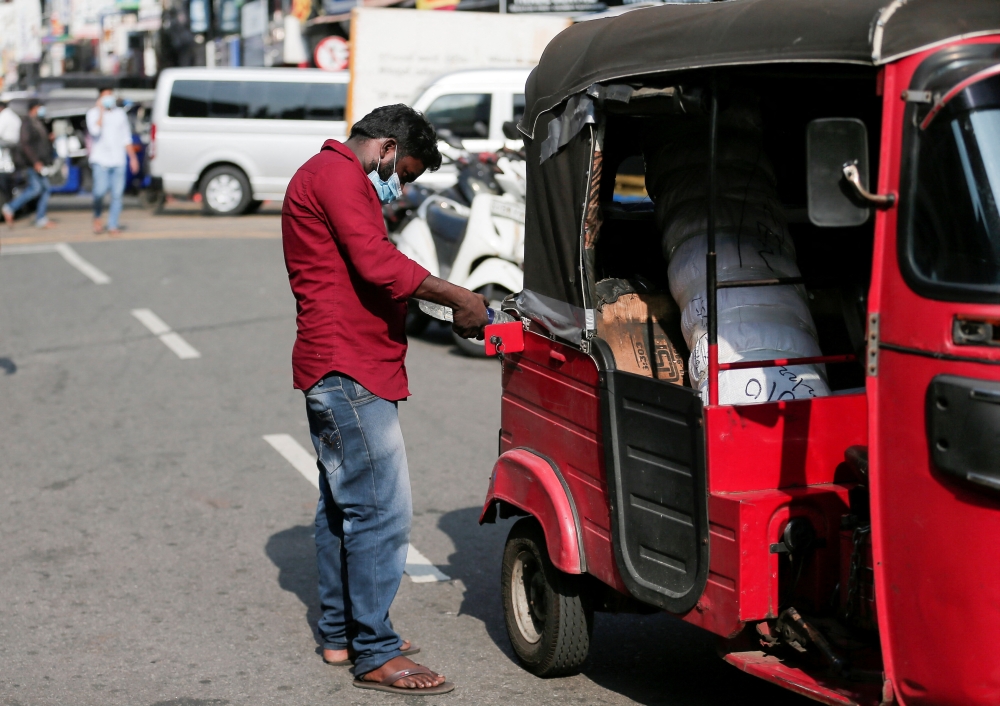
The country is short of dollars to finance even the important essentials, including food, fuel and medicines. Widespread shortages have sparked nationwide protests that turned violent on Tuesday.
One man was shot dead and 29 others were wounded in clashes in a central town, while tens of thousands continued demonstrations outside the president's office in Colombo demanding his resignation.
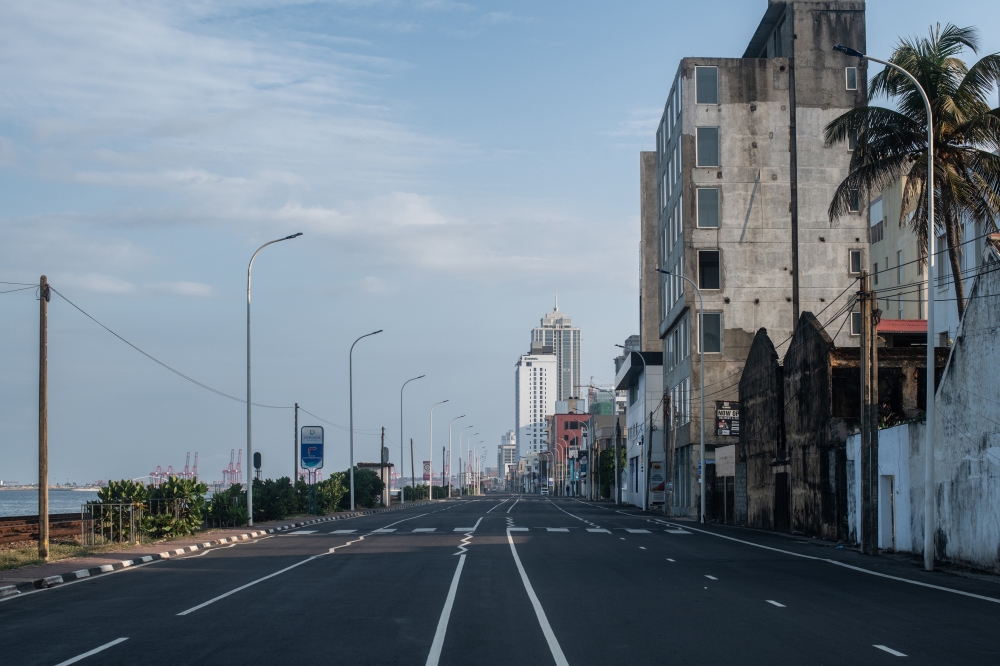
Meanwhile, police enforced a curfew on Wednesday in a Sri Lankan town where an anti-government demonstrator was killed, a death that triggered international condemnation. Regular blackouts and acute shortages of food and fuel have sparked increasing public discontent in the island nation, which is dealing with its worst economic downturn since independence in 1948. - AFP
Oman Observer is now on the WhatsApp channel. Click here