




Modesty is the keyword of the holy month, but flouting minimalism during and after iftar is landing many in hospitals, according to doctors and nutrients.
Doctors agreed that many patients they saw during or after Ramadhan seemed to have followed a wrong eating pattern and consumed oily foods and carbonated drinks on an empty stomach. A piece of advice for them is to 'break the fast sensibly and reap the full health benefits of Ramadhan' lest they be ready to face abnormal health conditions, including high BP, palpitation, bad cholesterol, breathlessness etc.
"All the benefits of fasting will be overshadowed by drinking very sugary carbonated soft drinks and rich, heavy, fatty meals immediately after iftar because the internal organ system was getting used to the low intake period, and a sudden inflow of foods especially carbonated drinks can trigger problems'', said Dr Benny Panakkan.
Experts are unanimous in saying that eating patterns like this can spike blood sugar and triglycerides after the meal triggering the cascade of metabolic events leading to atherosclerosis or the process of developing clogged arteries leading to heart attacks and strokes.
According to Vandana Luthra, owner of wellness, beauty and skincare products range and services, "No food is bad, and it's us who make it good or bad. The additives, extra ingredients and additional stuff that we add to make a food of one's choice make it either better or harmful."
"Ramadhan is a month that gives you spiritual wellness, as well as mental and physical, feel-good moments. It's time to achieve the best of everything, and people through fasting are achieving exactly the same'', she said.
Medics say fasting people can have any food of their choice during the iftar, but control should be applied to intake.
"Dehydration can be one of the risks of fasting especially during the holy month of Ramadhan during the summer as foods and drinks are limited to before sunrise and after sunset'', says Mini Padikkal, Clinical Dietician.
"Basically, fasting teaches us modesty, minimalism and empathy but contrarily, many are taking iftar and post-iftar time an occasion to compensate for the lost food and tend to overeat resulting in various lifestyle diseases'', adds Padikkal.
In many cases, people tend to take heavy meals immediately after iftar, usually fatty foods. This leads to pain in the stomach in the form of acidity or gastritis in medical terms, nausea, and indigestion.
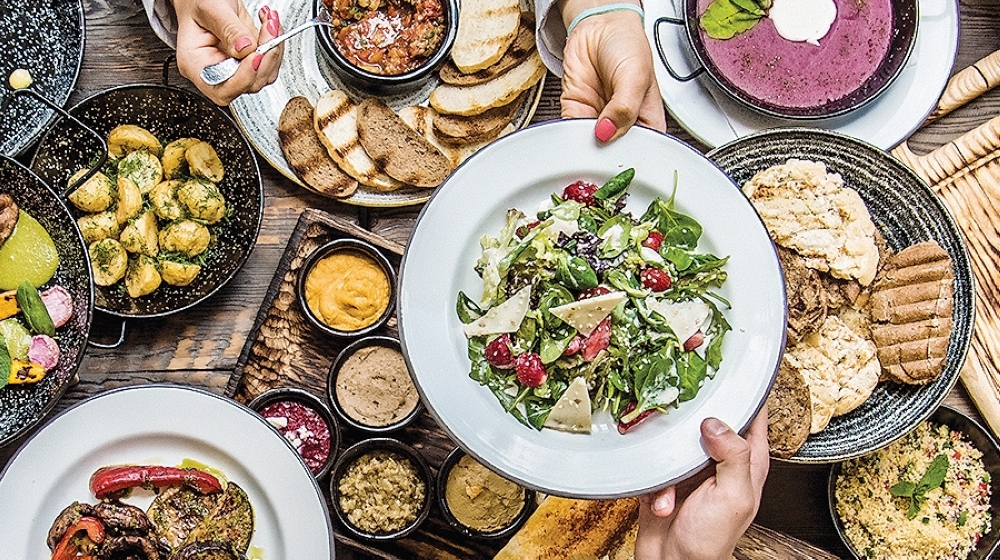
In short, overeating or' feasting over fasting' should be avoided during all the meals during the holy month, especially during iftar. The body's immediate need at the time of iftar is to get readily available energy sources in glucose, particularly for the brain and nerves. So it is always good to break the fast in the traditional way with dates and fruits. Dates provide energy in the form of sugar. Fruits help to maintain water and mineral balance in the body. Soups and cereals can follow it. Make sure your soup includes generous amounts of vegetables such as broccoli, spinach, peas, green beans, squash and carrots.
@kabeeryousef
Oman Observer is now on the WhatsApp channel. Click here