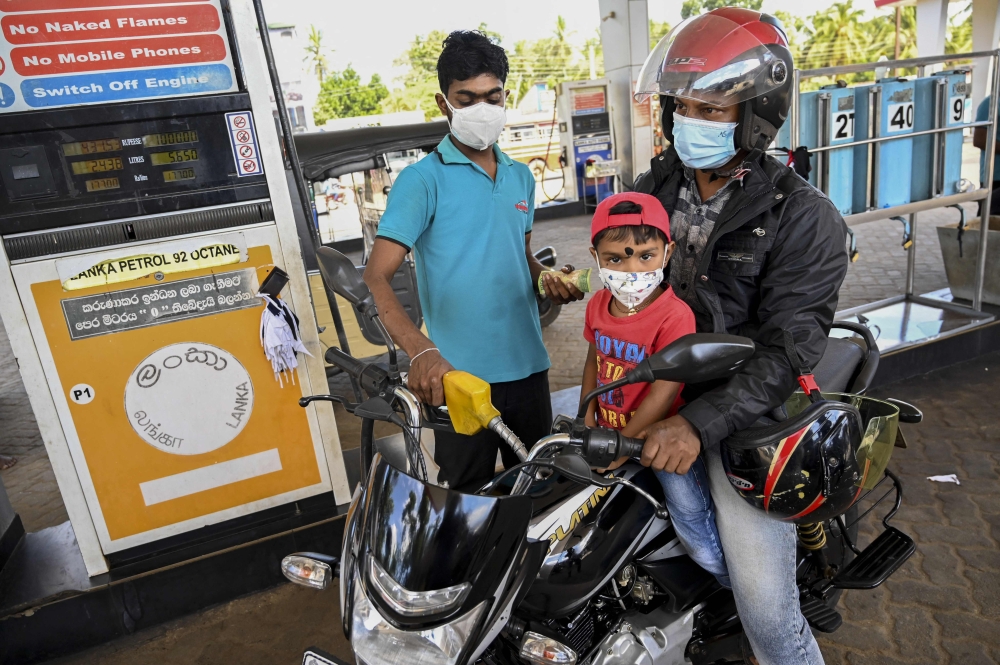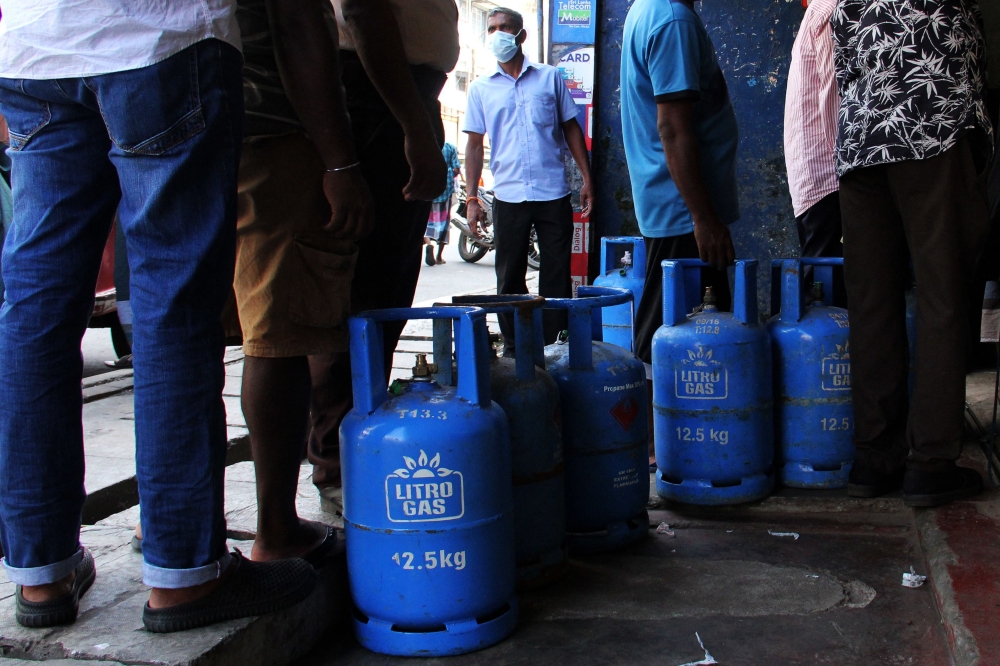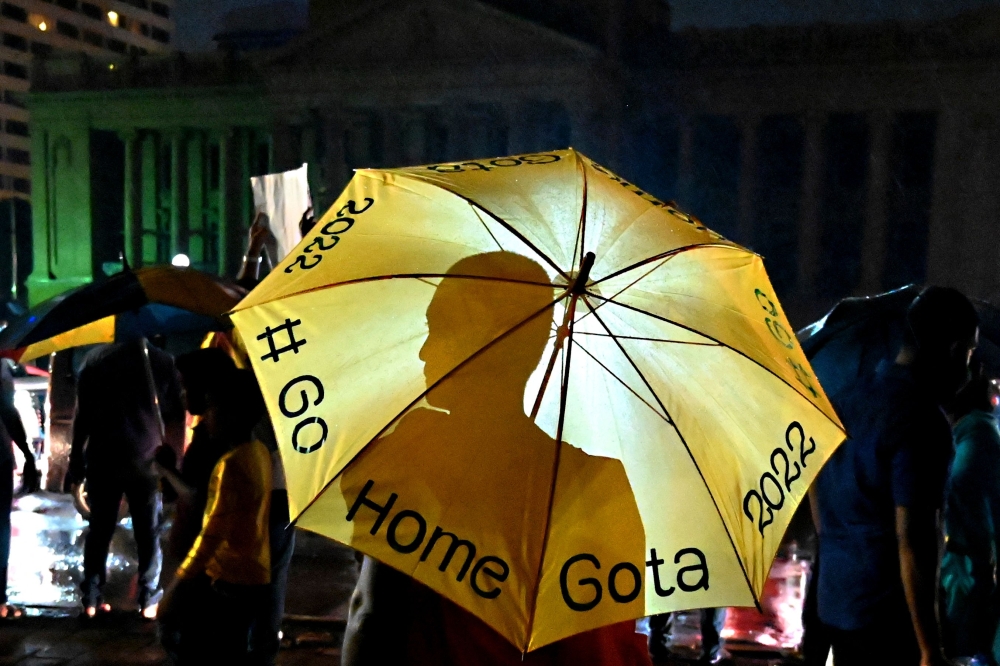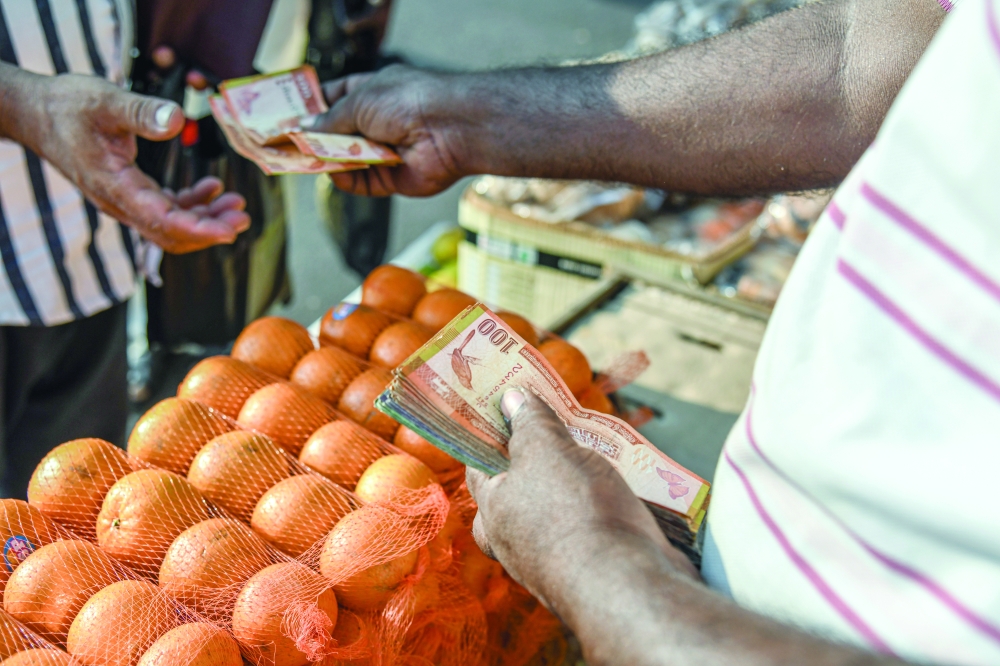





As Sri Lankans waited hours in line for fuel, sweated through the springtime heat during daily power cuts, and watched the value of their incomes erode, President Gotabaya Rajapaksa blamed forces beyond his control.
“This crisis was not created by me,” he said in an address last month, urging the nation to “have faith” in his actions.
Tens of thousands of protesters are now swarming the streets of the capital, Colombo, and clashing with security forces outside the ruling family’s official residences. They are running low on essential goods and patience — and demanding that the president step down.
Sri Lanka was supposed to be a postwar success story, a fast-developing economy committed to healing after decades of conflict. Instead, it is the latest democratic nation backsliding into authoritarianism, under the misguided policies of a ruler who critics say is more focused on protecting his family’s political dynasty than the country’s fledgling institutions and economy.
To ensure his family’s political future, Rajapaksa, 72, has undermined the criminal justice system, jailed dissenters and quashed the opposition. He has drastically expanded his presidential powers, stocking the government with his relatives, fellow military men and right-wing monks aligned with his law-and-order mindset.
It has left the country ill-equipped to deal with a growing economic and debt crisis. Its coffers are all but drained after the island nation was closed to tourists for much of the coronavirus pandemic and after a series of policy missteps. On Tuesday, the government said it was suspending payments on its international debt, a signal that economic conditions could get worse.
Now, Sri Lanka is trying to conserve cash for emergency supplies of fuel and other basic goods. The fertile country that produces some of the world’s most sought-after tea is facing widespread food insecurity. And protesters are filling the streets of Colombo, many of them young professionals who had taken for granted that they would have steady electricity and Internet service, access to imported coffee and cars, as well as a promising future.
Shathurshan Jayantharaj’s fleet of delivery trucks came to a halt when diesel supplies dwindled. Jayantharaj, 25, has been protesting in Colombo nearly every day against what he sees as the incompetence of the Rajapaksa-dominated government.
“We might have achieved a lot, but we are losing it all right now,” he said. “This family does not know what it is doing, and they’re taking us all down with them.”
Campaigning for office in 2019, Rajapaksa promised to restore safety and solvency to a country still reeling after more than 250 people were killed in a series of suicide bombings on Easter Sunday that year. His wartime record gave him credibility.
As defence secretary when his brother, Mahinda Rajapaksa, was president, he and his family were hailed for ending the country’s civil war in 2009 and for creating an economy that became a model for other nations seeking to rebuild. He benefited from the public outrage over evidence that the government at the time had ignored warnings about the terrorist attacks.
Rajapaksa won in a landslide election.
The atmosphere in Sri Lanka almost immediately shifted. The lead detective for the Criminal Investigations Department, or CID, which had been spearheading investigations into the Rajapaksas, fled to Switzerland. Prominent journalists, diplomats and other security officials rushed to leave.
Their fears were not unwarranted. Rajapaksa has expanded the use of an anti-terror law that the European Union and United Nations say has led to “consistent and well-founded allegations” of human rights abuses to jail hundreds of people.
Rajapaksa has also centralised power in the president’s office, giving himself the ability to appoint and dismiss ministers, preside over formerly independent commissions and set economic policy with few checks and balances.
He used his newfound powers to turn the Sri Lankan government into something resembling a family firm, appointing his three brothers to the most plum ministerial posts: Mahinda as Prime Minister, Chamal as minister of defence, and Basil as finance minister.
When Basil Rajapaksa took the post, Sri Lanka’s economy was already highly leveraged with dollar-denominated debt. It was also running low on dollars to buy essential imports, such as medicine and fuel.
Despite the challenges, the new government cut taxes and started printing money, hoping to generate local industry. Instead, people spent the extra cash importing cars and other foreign goods. Then, when the pandemic hit, Sri Lanka’s two prime sources of dollars — tourism and remittances from Sri Lankans living abroad — collapsed.
In order to save dollars, the government started banning imports. In April 2021, the Rajapakas declared that Sri Lanka would immediately shift to organic farming, imposing an import ban on fertiliser.
The shock — and the condemnation — were swift.
“There is a saying that a famine comes after an epidemic,” said Muditha Perera, a rice growers’ association president. “However, the famine which is going to occur was invited by the government and not a natural one. This government has deliberately destroyed the country’s agriculture.” - The New York Times
Emily Schmall
The writer is the NYT South Asia correspondent based in New Delhi
Oman Observer is now on the WhatsApp channel. Click here