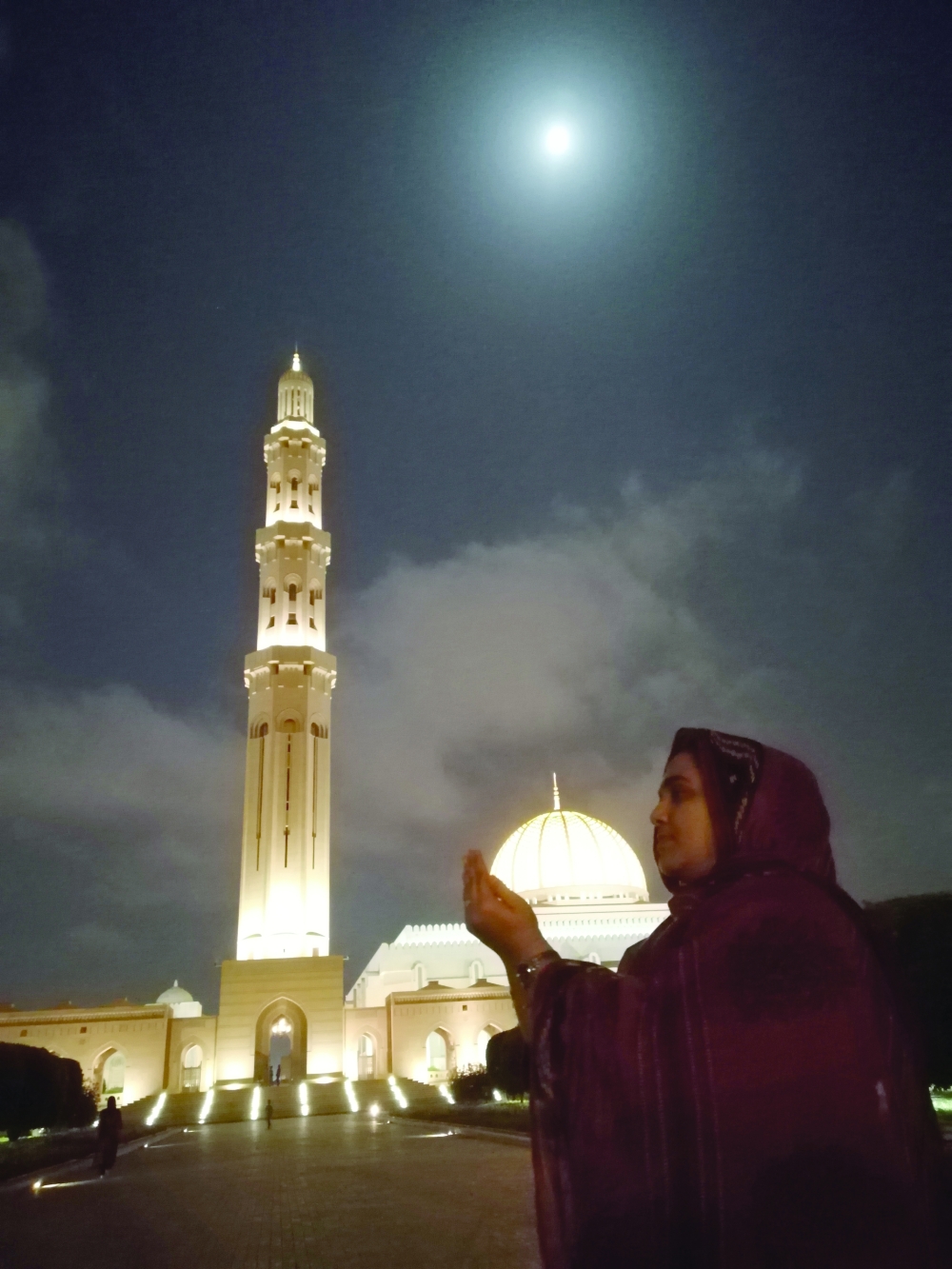





Believers are excited as the two important gatherings during the holy month, iftar (fast breaking) and Taraweeh (special mass night prayers), are to return to mosques during this year's Ramadhan, after two years hiatus, if everything goes well.
No mass iftars or Taraweeh prayers during the holy month were allowed as part of the Covid-19 restrictions and mass prayers including Friday noon prayers were limited to one's own house since 2020.
"I'm truly excited to welcome the important gatherings of iftar and Taraweeh prayer along with Ramadhan starting from first week of April'', Noorul Ameen told the Observer.
The Supreme Committee issued a ban on holding Ramadhan gatherings including mass iftars both in mosques or other places like tents and public areas as well as any other gatherings during the holy month until further notice on March 19, 2020.
All social, sporting and cultural gatherings and all sorts of social activities too were banned during the holy month and the Ministry of Awqaf and Religious Affairs urged all to offer Taraweeh at home with or without family members in view of the spread of the virus during that time.
"Missing Taraweeh did not make one's fasting invalid, and attending Taraweeh does not rescue an improper or invalid fast hence both have no connection in terms of validity. One is a compulsory obligation, while the other is an optional prayers'', a scholar form the ministry said.
During the time of Prophet Muhammad (PBUH), the Taraweeh prayers were performed in congregation for a short period of time, after which the Prophet changed this practise and performed the prayer at home. This was done out of fear that people would start to consider it to be compulsory. During the time of Umar ibn al Khattab, the second caliph, 20 rak’at of Taraweeh prayer was led in congregation daily. These practices has been recognised as Sunnah, based on the Hadith, he further added.
@kabeeryousef
Oman Observer is now on the WhatsApp channel. Click here