




Conservation efforts: Lobster season starts on March 1
BUSINESS REPORTER
MUSCAT, FEB 27
A significant slump in squid production pared the overall contribution of artisanal fishing to the total output of crustaceans and molluscs to 14,878 tonnes during the first 11 months of 2021, down from 16,652 tonnes from the previous year, according to the National Centre for Statistics and Information (NCSI). The comparative review covers the production of shrimp, lobster and squid, which dipped by 10.7 per cent during the January – November 2021 timeframe, the Centre stated.
Of the total catch 14,878 tonnes last year, lobster made up 1,119 tonnes, shrimp 1,106 tonnes, and squid 12,653 tonnes
According to a report of the Ministry of Agricultural Wealth, Fisheries and Water Resources, the total value of the Sultanate of Oman’s production of crustaceans and molluscs by the end of November 2021 amounted to RO 24.343 million.
South Al Sharqiyah Governorate accounted for 4,044 tonnes of crustaceans and mollusks, including 178 tonnes of lobster, 243 tonnes of shrimp and 3,623 tonnes of squid, with a total value of RO 7.336 million. Al Wusta’s contribution totalled 7,037 tonnes, including 550 tonnes of lobster, 862 tonnes of shrimp and 5,625 squid, of a total value of RO 13.397 million. Dhofar’s share was 1,885 tonnes, including 389 tonnes of lobster and 1,496 tonnes of squid, of a total value of RO 3.610 million.
The Ministry of Agricultural and Fisheries Wealth and Water Resources works continuously to develop fish and marine resources, preserve fisheries and protect them from the risks of pollution and depletion, while maintaining the biodiversity of the adjoining seas in cooperation with all components of the fisheries sector and relevant authorities.
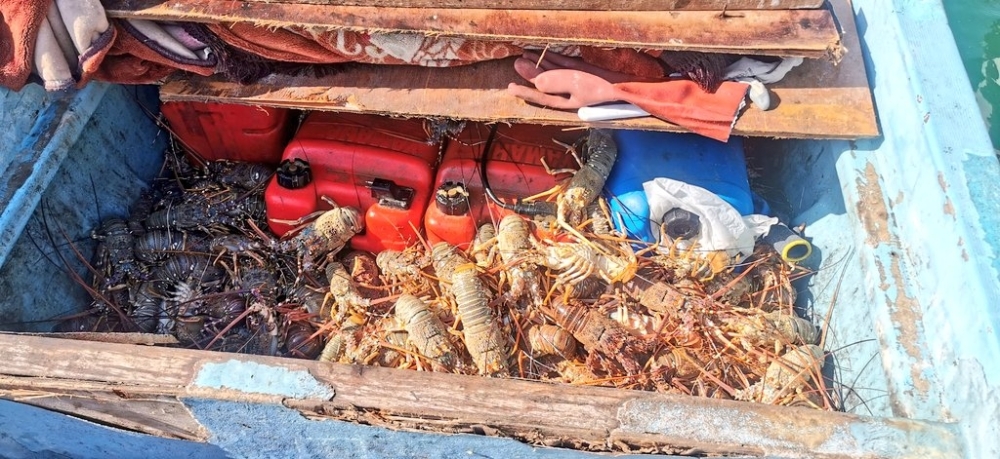
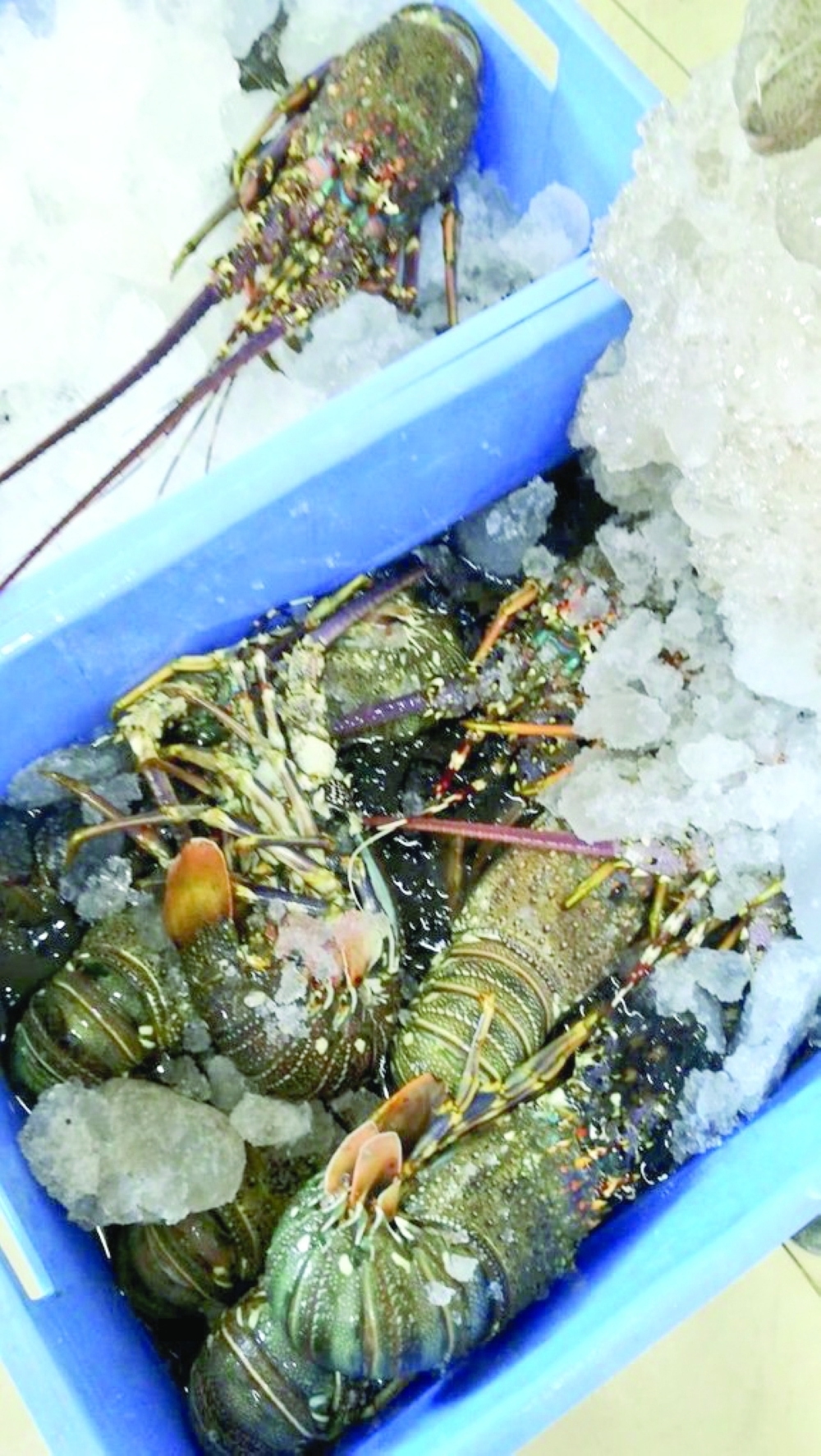
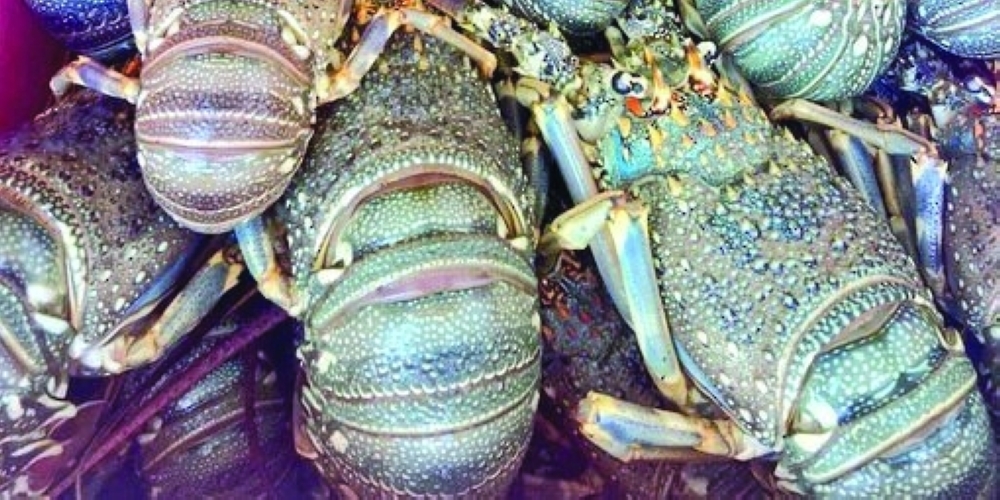
The 2022 lobster fishing season starts on March 1, and will continue until the end of May 2022 in line with the efforts of the Ministry of Agriculture, Fisheries and Water Resources to conserve stocks of key types of fish.
The Ministry has set seasons for catching specific types of fish to manage and protect their stocks from overfishing, especially during the period of fertilization and reproduction, to regulate the fishing process, avoid depletion and reduce fishing pressure, and balance between stocks and fishing effort. A season has been set for fishing for shrimp, lobster, abalone and kingfish.
With regard to the Sultanate of Oman’s production of squid, its total production until the end of November 2021 amounted to about 10,744 tonnes, compared to 16,561 tonnes in the same period in 2020, where its total value was estimated at about RO 20 million.
It is caught during most months of the year, but the landing quantities begin to increase in the period following the month of June until it reaches high levels in the last quarter of each year, reaching its peak in September and October and sometimes extending to January. (With inputs from ONA)
Oman Observer is now on the WhatsApp channel. Click here