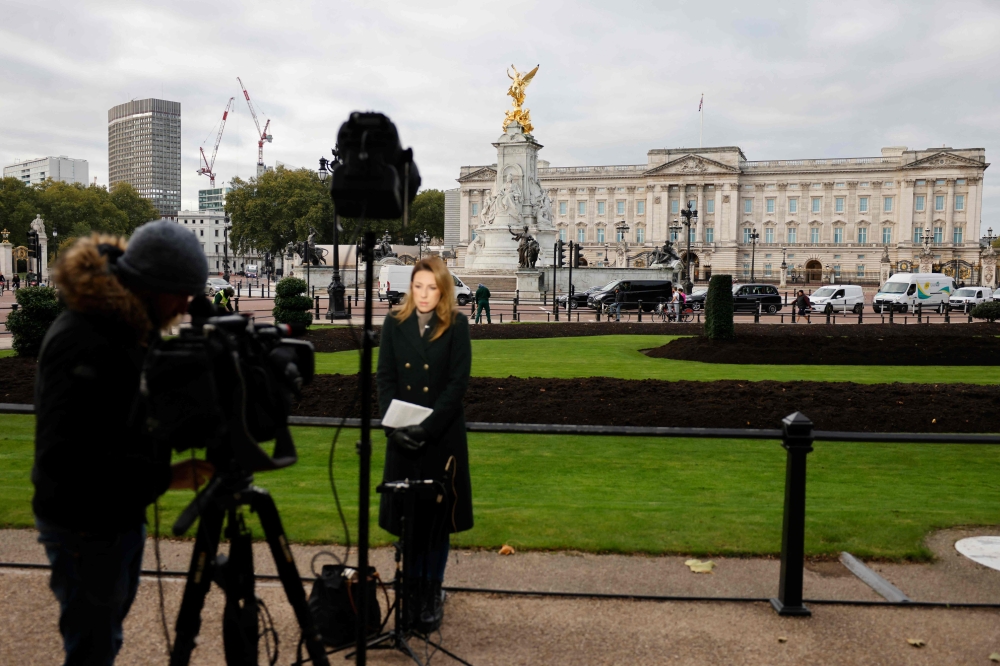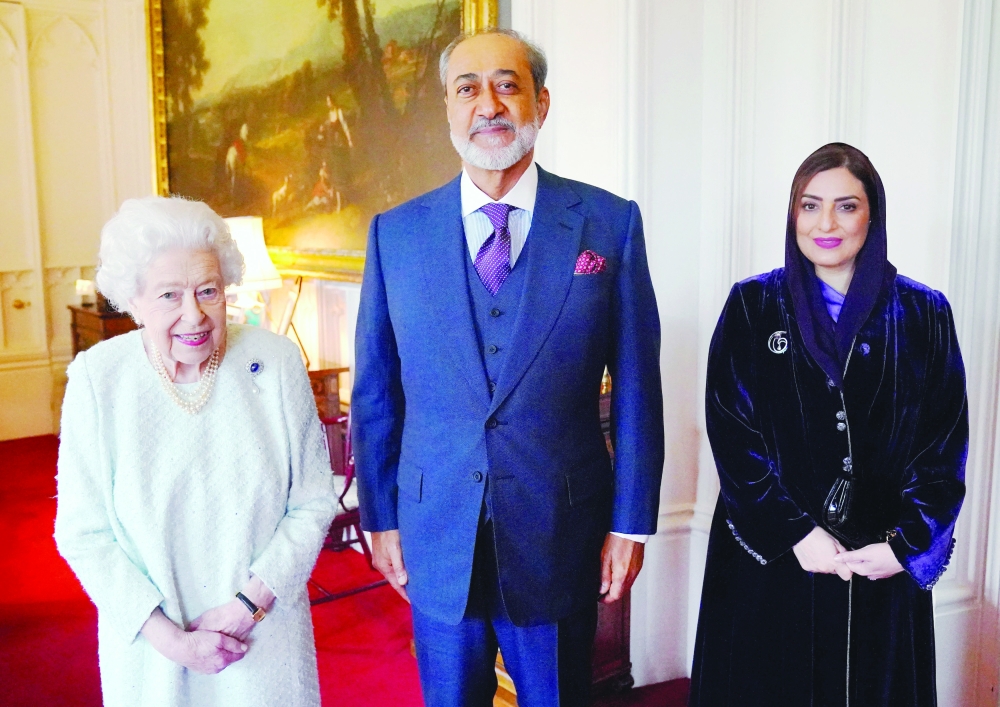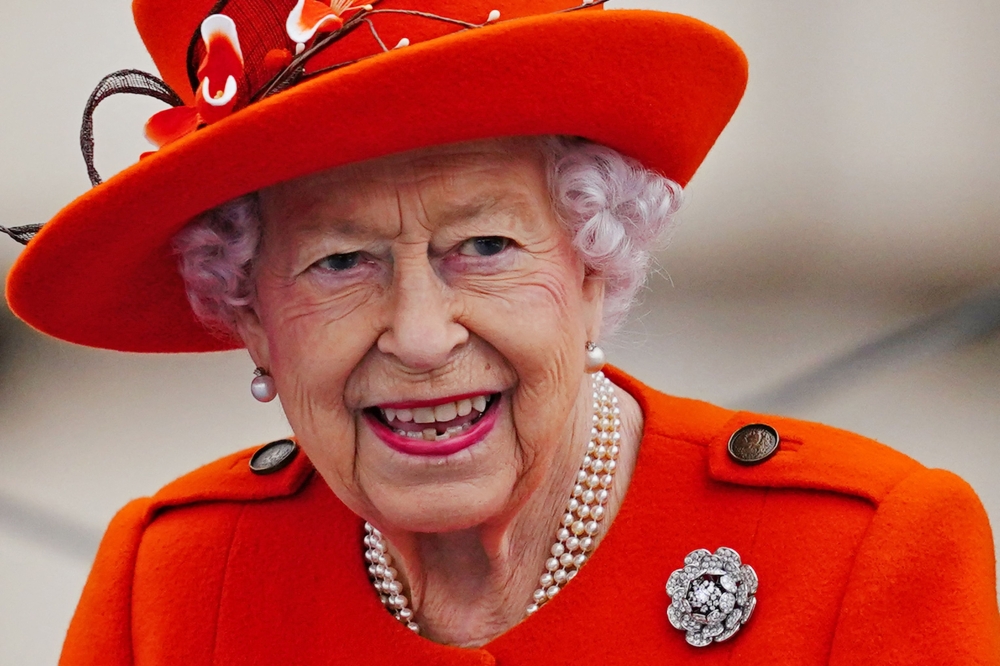
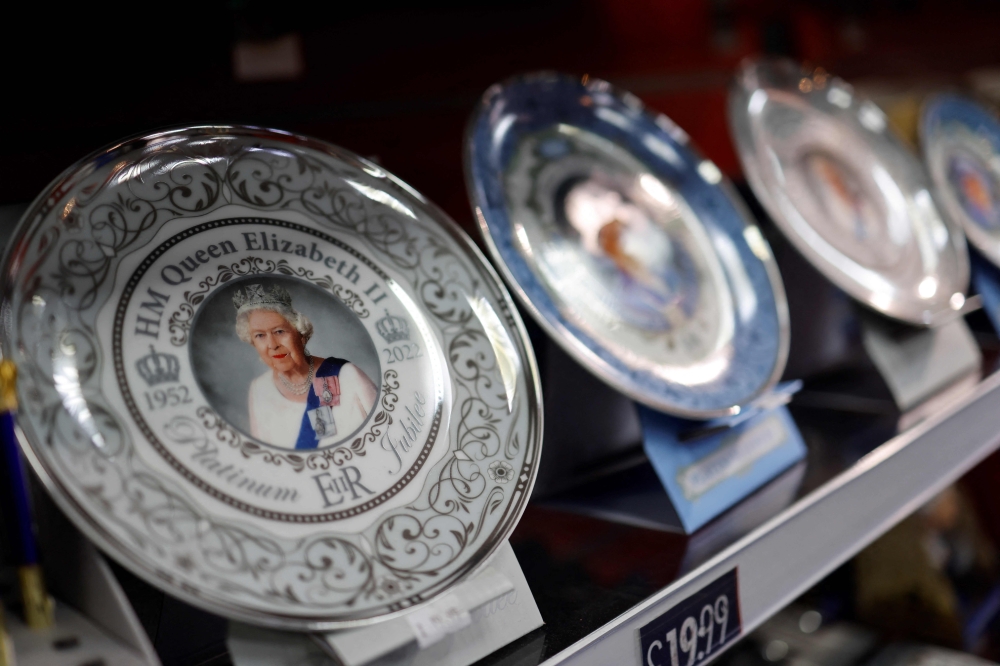
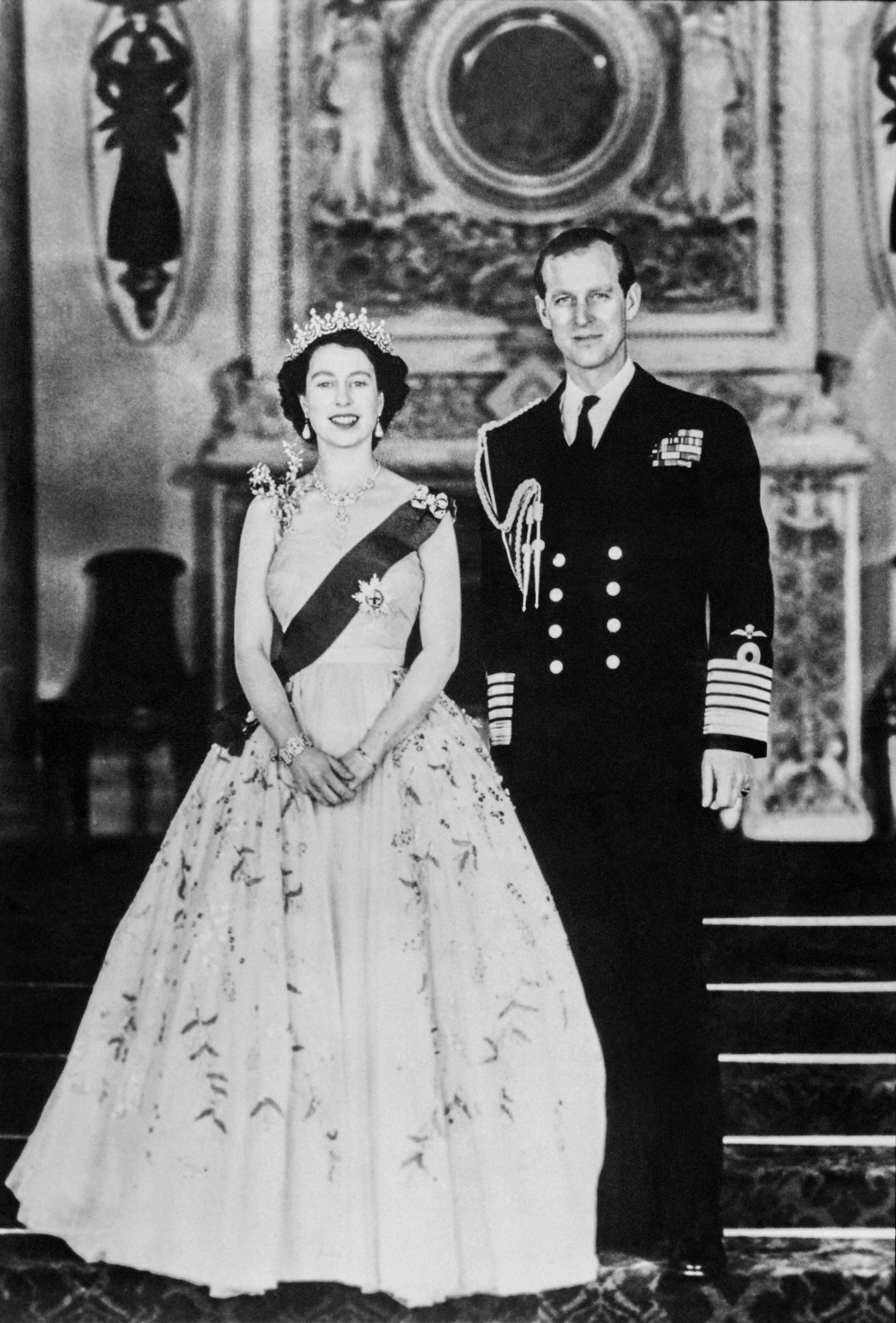
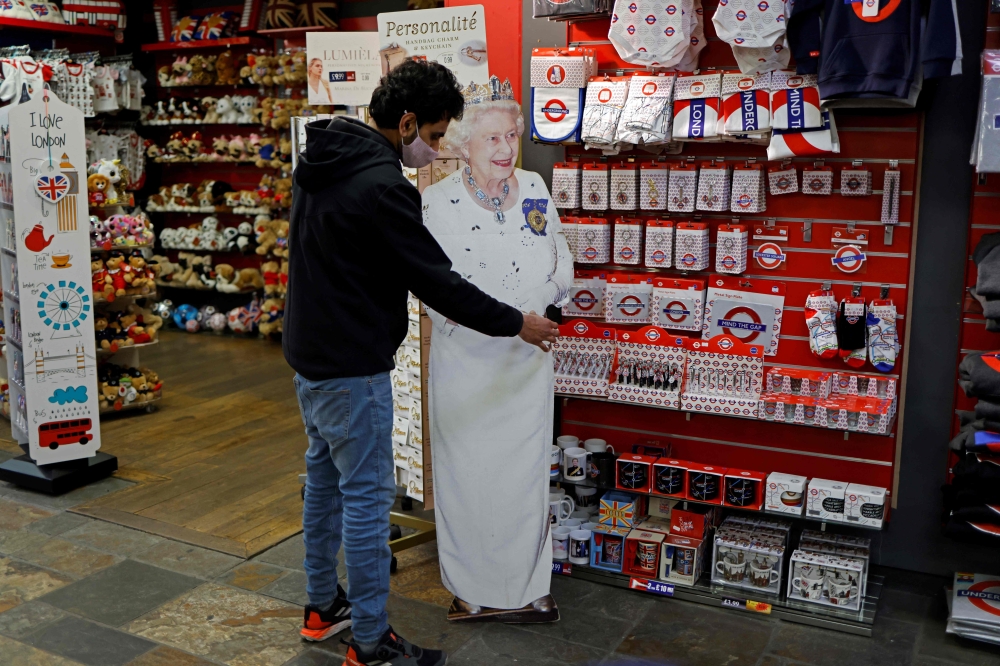
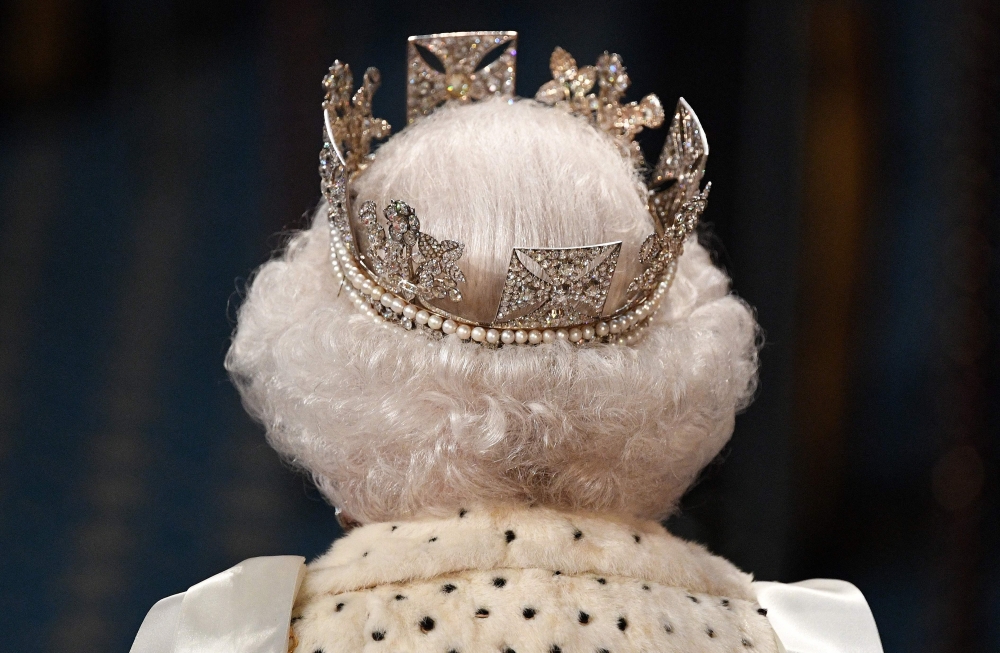





London - Queen Elizabeth II on Sunday becomes the first British monarch to reign for 70 years, heralding the start of her Platinum Jubilee year despite her retreat from public view.
But the landmark date this weekend will see little fanfare, as the 95-year-old monarch traditionally spends the anniversary of the death of her father in private.
The sovereign's record-breaking reign as head of state began when she was aged 25 and watching wildlife in a remote part of Kenya with her husband, Prince Philip.
She has since become the one constant in an era of rapid social and political change, a figurehead of modern Britain and a living link to its post-war and imperial past.
The Queen - who regularly tops surveys as the most popular royal - on January 23 flew by helicopter to her sprawling Sandringham estate in eastern England.
She had been due to stay at Sandringham House with close family over Christmas and the New Year but the annual visit was postponed because of surging cases of Omicron.
No public engagements are expected on Sunday, in keeping with previous years.
But four days of festivities are planned for early June, including a military parade and a music concert, street parties, a mass attendance picnic and a "Platinum Pudding Competition".
Commemorative coins have been minted to mark the unprecedented milestone.
At Sandringham, the queen is staying at Wood Farm, a five-bedroom cottage that was favoured by her late husband after he retired from public life in 2017.
According to British media, Prince Philip spent his time there reading, painting and walking, in more modest surroundings away from liveried servants and royal pomp.
The queen travelled to Sandringham by helicopter and was photographed in the back of a Range Rover, wearing a silk headscarf printed with birds.
The 20,000-acre (8,100-hectare) estate, near the north Norfolk coast, is dear to her heart.
Not only was it a retreat for Philip until he joined her in Covid isolation at Windsor Castle in 2020, but also for her father, George VI, who died there of lung cancer, aged 56.
It was also a favoured residence for her grandfather, King George V, who also died there, and her great-grandmother, Queen Alexandra.
After Philip's death in April last year, the queen returned to public and official engagements, including hosting world leaders at the G7 summit in Cornwall, southwest England.
But she has been forced to slow down on advice from doctors, after an overnight hospital stay in October sparked public concern.
Since then she has largely stayed at Windsor and made few public appearances.
The last dates back more than a month to her annual -- recorded -- Christmas message, where she paid a rare personal tribute to her husband of 73 years and his "mischievous inquiring twinkle".
Only three monarchs in global history have reigned for more than 70 years.
France's Louis XIV reigned for 72 years, 110 days from 1643 to 1715. Thailand's king Bhumibol Adulyadej was on the throne for 70 years and 126 days from 1946 to 2016.
Johann II, prince of Liechtenstein, ruled for 70 years, 91 days from 1858 to 1929.
Sandringham could give Elizabeth some respite from a scandal involving her second and reportedly favourite son Prince Andrew that has cast a shadow over her jubilee year.
In mid-January, she stripped him of his honorary military titles and charitable positions as he battles a US civil case for sexual assault.
The move effectively removes him from public life, and is designed to insulate the royal family from any damaging revelations and repercussions.
Andrew, 61, vehemently denies the accusation but he has been tainted by his associations with the convicted sex offenders Jeffrey Epstein and Ghislaine Maxwell.
Here are some of the key moments that have defined Queen Elizabeth II's 70 years on the throne.
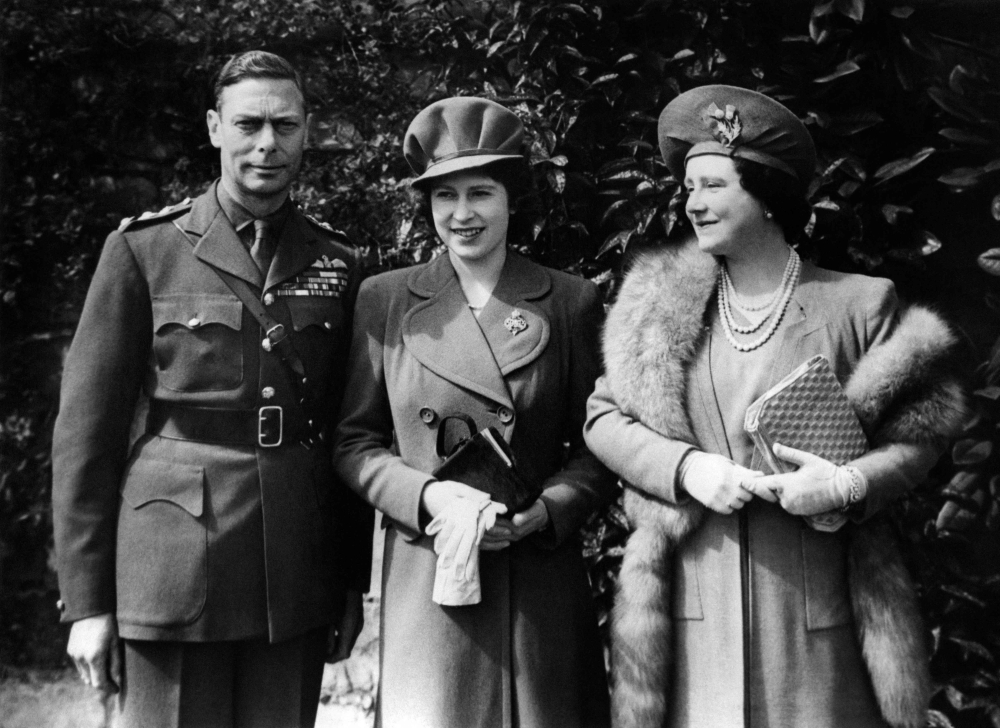
- 1952: Princess to Queen - Princess Elizabeth, then aged 25, was visiting Kenya with her husband, Prince Philip, when her father, king George VI, died aged 56 on February 6, 1952. She cut short the trip and rushed back to Britain.
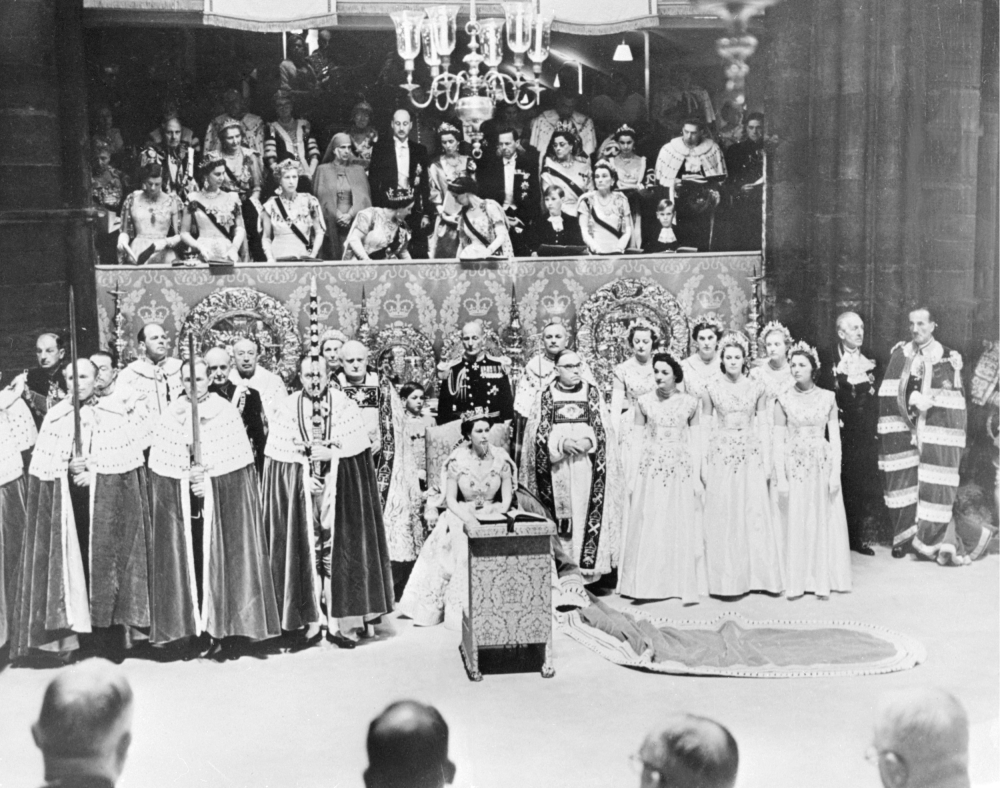
- 1953: The Coronation - Queen Elizabeth II's coronation did not happen until the following year. She was crowned at Westminster Abbey on June 2, 1953, in front of 8,500 assembled guests.
The ceremony was the first major televised international event and led to a surge in sales for television sets.
- 1977: Silver Jubilee - The Queen's 25 years on the throne saw her reaffirm the vow of lifelong service to Britain and the Commonwealth she had made in a speech aged 21 in 1947.
She toured the country and the Commonwealth. Celebratory street parties provided some respite from the economic gloom at home, marked by industrial decline and strikes.
- 1992: 'Annus horribilis' - The Queen's eldest son and heir, Prince Charles, separated from Princess Diana, and her second son, Prince Andrew, split from his wife, Sarah.
Her only daughter, Princess Anne, divorced her husband, Mark Phillips. Windsor Castle, her favoured home west of London, was also seriously damaged by fire.
The Queen called the 12 months her "annus horribilis".
- 1997: Death of Diana - Diana's death in a car crash on August 31, 1997 rocked the royal family to the core, provoking rare criticism of the Queen for staying at her Balmoral estate in Scotland.
She eventually returned, the Union Jack was lowered to half-mast at Buckingham Palace, and the Queen made a televised tribute to Diana, helping to calm public anger.
- 2002: Golden Jubilee - Celebrations for the Queen's 50 years on the throne came in the same year as the deaths of her own mother and younger sister Margaret, and showed public support for the monarchy.
Huge crowds gathered on The Mall in central London to watch Queen guitarist Brian May play the national anthem from the roof of Buckingham Palace after a star-studded pop concert.
- 2011: Ireland state visit - The Queen's visit to Ireland was the first by a British monarch since the Republic of Ireland won independence in 1922 and saw the republic's biggest-ever security operation.
An address in Irish, plus other symbolic gestures, helped galvanise reconciliation and cement the peace process in Northern Ireland, after years of conflict over British rule.
- 2012: Olympics and Diamond Jubilee - The Queen and other senior royals visited every region of Britain to mark her 60 years on the throne. Beacons were lit across the country, and a river pageant was held in London.
A surprise cameo for the monarch alongside James Bond actor Daniel Craig was a hit at the opening ceremony of the 2012 London Olympics.
- 2021: Covid, Philip, health fears - The coronavirus pandemic forced the ageing Queen into self-isolation at Windsor, from where she made public appearances over video conference.
Prince Philip died aged 99 in April 2021, while later that year fears grew for the Queen's own health after she spent a night in hospital and was forced to cut back her duties.
At the grand old age of 95, Britain's Queen Elizabeth II is the world's longest-reigning living monarch.
Her reign has been surpassed by just two other major monarchs in recorded history -- France's 17th-century "Sun King" Louis XIV and Thailand's King Bhumibol.
Here are the world's longest known reigns:
- France's Louis XIV -
The "Sun King" Louis XIV, who reigned for 72 years between 1643 and 1715, is the longest-reigning monarch on record.
Born in 1638, Louis ascended to the throne at the age of four. As well as making France Europe's preeminent power after three major wars, he was a gifted ballet dancer. He married twice and built the immense Palace of Versailles near Paris.
- Thailand's King Bhumibol -
The modern record is held by Thailand's King Bhumibol Adulyadej, crowned under the name of Rama IX in June 1946.
The widely revered monarch died in October 2016 at the age of 88. His seven turmoil-laden decades on the throne were marked by a communist insurgency, coups and street protests, throughout which he was seen as a figure of constancy.
- Elizabeth II -
Britain's Queen Elizabeth II inherited the throne on February 8, 1952 at the age of 25 after the death of her father, George VI.
She still reigns over another 14 nations in the Commonwealth as well as heading the organisation, which takes in a third of humanity.
Elizabeth II will overtake King Bhumibol Adulyadej as the longest-reigning modern monarch if she is still on the throne on June 12, 2022.
- Austria's Franz Josef I -
Austrian Emperor Franz Joseph reigned for nearly 68 years between 1848 and 1916.
The head of the powerful Habsburg dynasty ruled over a multi-ethnic realm with more than 50 million people. Seen as both a custodian of imperial glory and the tragic figure responsible for its decline, many also blame him for World War I.
- Britain's Queen Victoria -
Queen Elizabeth's great-great-grandmother, Queen Victoria, reigned for almost 64 years from 1837 until 1901 when the British Empire was at its height and gave her name to the Victorian age.
- Japan's Emperor Hirohito -
Japanese Emperor Hirohito died in January 1989 at the age of 87 after reigning for 62 years.
Initially seen as a demigod, questions remain over his role in Japanese expansionism before and during World War II.
After the war, he became a mere figurehead as his nation drew close to the United States and for long became the world's second largest economy.
Princess Elizabeth was deep in the Kenyan forest on the adventure of a lifetime, spotting wildlife from high up in the treetops, when her father died and she became queen.
The world awoke on February 6, 1952, to the death of King George VI, who had succumbed during the night to lung cancer at the royal Sandringham residence in Norfolk.
His 25-year-old daughter and heir to the throne only heard the news later the same day, when word reached Elizabeth thousands of miles from home in the wilderness of the Aberdare Range.
Kenya, then a British colony, was the first stop on Elizabeth's tour of the Commonwealth she had embarked upon with her husband, Prince Philip, in place of her ill father.
The royal couple had taken a night out of their official engagements to stay at a one-of-a-kind game-watching lodge perched in a tree in the Aberdares interior.
It was during their night at the Treetops hotel that the king would die, and Elizabeth would become queen.
Jim Corbett, the naturalist and hunter who accompanied the royal couple to Treetops, is credited with writing in the visitor book: "For the first time in the history of the world, a young girl climbed into a tree one day a Princess and, after having what she described as her most thrilling experience, she climbed down from the tree next day a queen."
- 'Most wonderful experience' -
In fact, the Duke of Edinburgh broke the news to Elizabeth after they had left Treetops but the story stuck and the hotel became the fabled locale where a princess became a queen.
First opened in 1932 as an overnight stay for wealthy and intrepid visitors, Treetops overlooked a watering hole from its position in a giant fig tree.
In its day, there wasn't really anything like it.
A private setting among branches, remote in the African bush, Treetops offered the privileged elite a chance to encounter wildlife up close, and in safety, as they grazed below.
Elizabeth and Philip kept a handwritten tally of what they saw, recorded on a sheet of paper framed still today inside Treetops.
Large herds of elephant -- "about 40" in one sighting -- were spotted at the watering hole, along with baboons and waterbuck.
"Rhinos all night", read the list dated February 5/6, 1952 and signed by the Princess and Prince, and "in the morning, two bulls fighting".
An aide to the royal couple, instructed to write and thank the hotel's owners, described a "tremendous experience of watching the wild game in its natural surroundings" and day and night "packed with interest".
"I am quite certain that this is one of the most wonderful experiences that either The Queen or The Duke of Edinburgh have ever had," read the letter framed in Treetops dated February 8, 1952.
- Faded memories -
Two years after the historic visit, with Elizabeth having assumed the throne, Treetops burned down in what was rumoured to be an arson attack by anti-colonial Mau Mau rebels.
A new, much larger hotel was built on elevated wooden stilts on the opposite side of the watering hole to the original setting, where it still stands today.
The royal visit -- and the legend to go with it -- made Treetops among the most famous hotels in the world.
Well-heeled guests could stay in the Princess Elizabeth Suite, peruse royal memorabilia in the dining room, or gaze upon a portrait of the Queen framed by the tusks of an elephant shot by hunters in the 1960s.
Elizabeth and Philip returned in 1983 -- more formal than safari, with the queen in a knee-length dress, the duke in a blazer and tie -- to find Treetops very much changed in the 31 years between visits.
For many years, nothing more than a plaque marked where they spent that fateful night by the watering hole.
But today it is nowhere to be seen, put in storage after Treetops closed its doors at the onset of the coronavirus pandemic.
Two years later -- as the queen prepares to mark her platinum Jubilee -- it remains shut, a faded icon of a bygone era.
Pudding contest
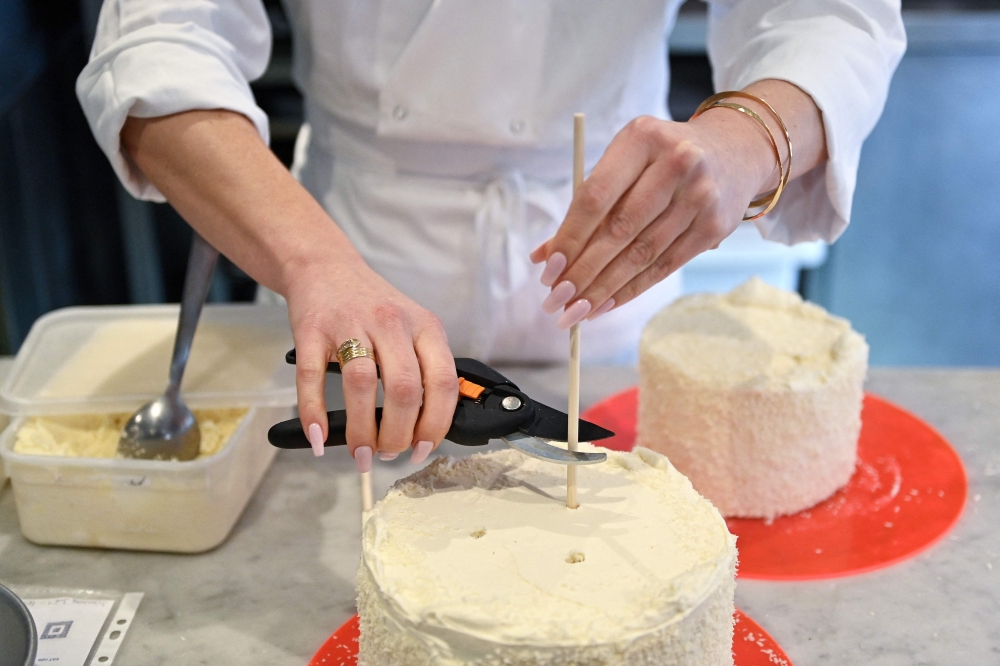
"It would be such an honour!": Amateur British cooks are battling to create the best Platinum Jubilee pudding to mark 70 years of Queen Elizabeth II's reign.
Any baker without professional qualifications living in the United Kingdom and aged eight or over can take part.
The aim is to create a pudding worthy of the queen that is at the same time simple enough to be recreated by millions of Britons celebrating the historic event at street parties throughout the realm.
Party plum trifle, raspberry and white chocolate cheesecake or royal lemon tart: social media is already awash with novel ideas from proud chefs.
Samantha Smith, 31, has created the "Elizabeth Sponge", a crown-shaped cake topped with blueberries and raspberries, inspired by the classic Victoria Sponge, itself named after another monarch.
"I kept it quite basic and then just spiced it up a bit with soaking the fruit in Dubonnet which is apparently the queen's favourite tipple," the lawyer based in Rugby, central England, told AFP.
- Queen's taste -
The main challenge facing budding bakers is to know just which flavours the queen prefers.
"No one knows for sure what she likes," said culinary historian Regula Ysewijn, also one of the competition's judges.
"It's something that people, the press in the UK have been trying to find out for as long as she has been on the throne, it's a closely guarded secret."
The rumour is that Her Majesty was particularly fond of the "Groom's Cake" served at the wedding of her grandson William and Kate Middleton in 2011.
"That's like a cake made with biscuits and then chocolate in between," Ysewijn told AFP.
"So we know that she likes that, so she probably really does like chocolate."
Being the Queen of England "she must love a British pudding, traditional pudding. So people can really go very traditional and have a steamed pudding if they want to," notes Ysewijn.
Besides taste and originality, judges are hoping that "people will look at the long and exciting life that the queen has already led and all the achievements that she has done and take inspiration from that in the pudding," she said.
"And of course it has to be fit for the Queen so it has to look pretty too," Ysewijn said. "We want the queen to be completely amazed when she sees the pudding."
- Sweet immortality -
Claire Ptak has already had the honour of coming up with a pudding idea for the marriage of William's brother Harry, to Meghan Markle in 2018 after she was invited by Kensington Palace.
She came up with six ideas, including chocolate, rhubarb, fruit cake and vanilla, with the royal couple eventually opting for a lemon elderflower cake.
"I was pretty excited about all of the people that were going to be at that wedding, eating my cake and to have the queen eat my cake was pretty remarkable," Ptak, who runs bakery-cafe Violet in East London, told AFP.
Now it's the food writer's turn to give advice to up-and-coming chefs: "Just research on what she loves to eat. Do some research on colours that she likes."
The winner gets a selection of products from Fortnum and Mason, the famous London food shop that is organising the competition.
But more importantly, the winning chef's recipe has the chance of entering into cooking history, joining such immortals as Coronation Chicken, invented for when Queen Elizabeth took the throne in 1953 and still popular today.
"If I was to win, it would be completely surreal seeing my entry at everyone's street parties in the summer!" said Smith.
"The platinum jubilee celebrations are our opportunity to thank her Majesty for the past 70 years of leadership and really come together as a country after a difficult couple of years," she said.
Oman Observer is now on the WhatsApp channel. Click here