




What we take for granted when it comes to physical abilities may not be the same at old age or after an ailment.
So should one settle with fate or could occupational therapy be part of the recovery process?
National Health Service (NHS) suggests some practical tasks in the event of physical disability to recover from an illness or operation. These tasks are helpful in learning disabilities, mental health problems, or even in age-related challenges.
Occupational therapists look into all aspects of daily life whether it is at home, school or workplace.
In reality many do not seek the help of occupational therapists and the end result is deterioration in quality of life.
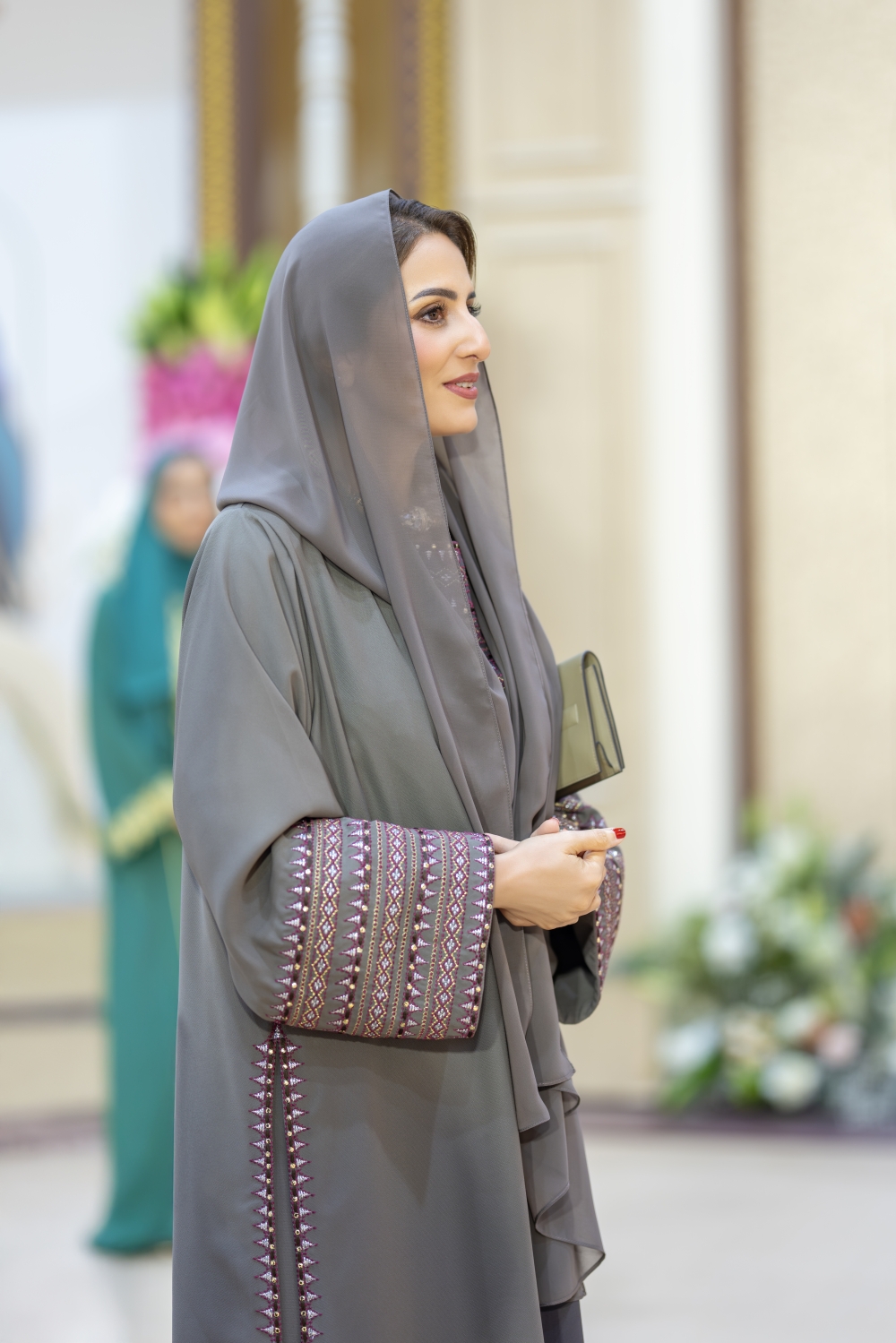
“Occupational therapy is a holistic profession, which means we treat our clients holistically. We take into consideration everything from physical, social and emotional aspects,” said Najat bint Saif al Busaidiyah, Sultanate of Oman’s first occupational therapist.
She has been working in the profession since 1998 and is quick to point out that the nation needs more occupational therapists. She also hopes higher educational institutions in the country will introduce the majors in OT and ‘Speech and Language Therapy’ as there is a high requirement with the increase in population as well as disability cases.
“What OT does is, as its name suggests, use of occupation as a treatment modality to keep the client busy with exercise to engage the muscle or the limb or if it is a person who is cognitively disabled then we will use occupation as a treatment. Depending on the age it could be even be a game. The therapists are creative to utilise an occupation that is related to the client so if it is a child then it could be play sessions,” she explained.
The occupational therapists could start their work on clients as early as one week old infants or even premature babies and continue to observe the milestones and growth.
There are many sub-specialities in the profession.
“Had you spoken to me in the early 2000s I would not have much to say, but today we have a large range of clients we treat from physical disabilities to a wide spectrum of disabilities as well as depression and Schizophrenia,” she said and added “there a is a difference on people’s awareness on how OT can help from when she started in 1998 to 2022.”
“In the past when I had just graduated it was me picking up clients for treatment and they did not know they will benefit from our intervention. However, now people are looking for occupational therapists and there is always a need. There are requests from government and private hospitals for occupational therapists. The demand has grown along with the increase in people with disabilities. But people are aware of the therapy,” she noted.
She is extremely proud of the therapy because of its positive results through therapeutic ‘horseback riding’ or ‘hippo therapy’. They began initially as a collaboration with volunteers, but later with increasing number of professionals became independent project. Now a group of OT professionals have collaboration with Oman Sail.
“The first thing an occupational therapist does is an assessment and note what are the strengths and weak areas. We need more training for professionals in occupational therapy, speech therapy and physiotherapy, especially for children with disabilities. Occupational therapy has a distinct impact on children with autism spectrum,” she noted.
But the horses have made a vast difference in the lives of children and adults.
constant treatment
“The horseback riding has turned out to be a creative intervention and we have 12-year experience in it. We provide constant treatment sessions to build up the client’s capacity and strength to participate in strong sport such as sailing. With horseback riding we make sure people do not have a back bone injury or a heart condition that would stop them from riding. We take individuals with cognitive difficulties such as Down syndrome, autism, hyperactivity etc. Parents and teachers began to notice the change in the children.”
“Children who could not go to school because they lacked confidence, began to do so and other children began to show a change in the level of concentration and focus after the horseback riding sessions. Their lives got transformed,” she said with pride.
Oman Observer is now on the WhatsApp channel. Click here