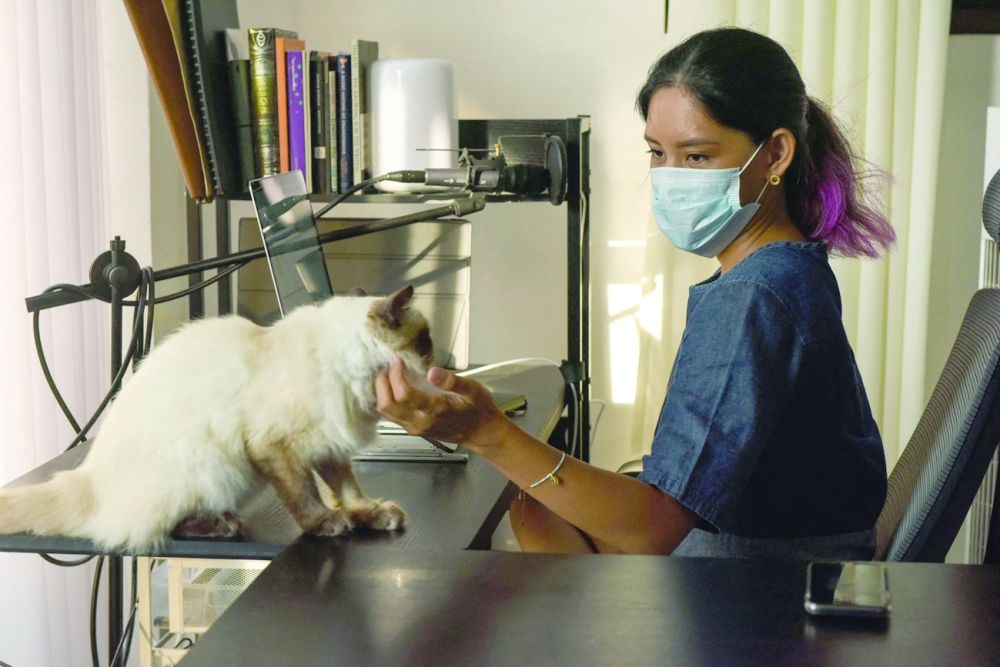
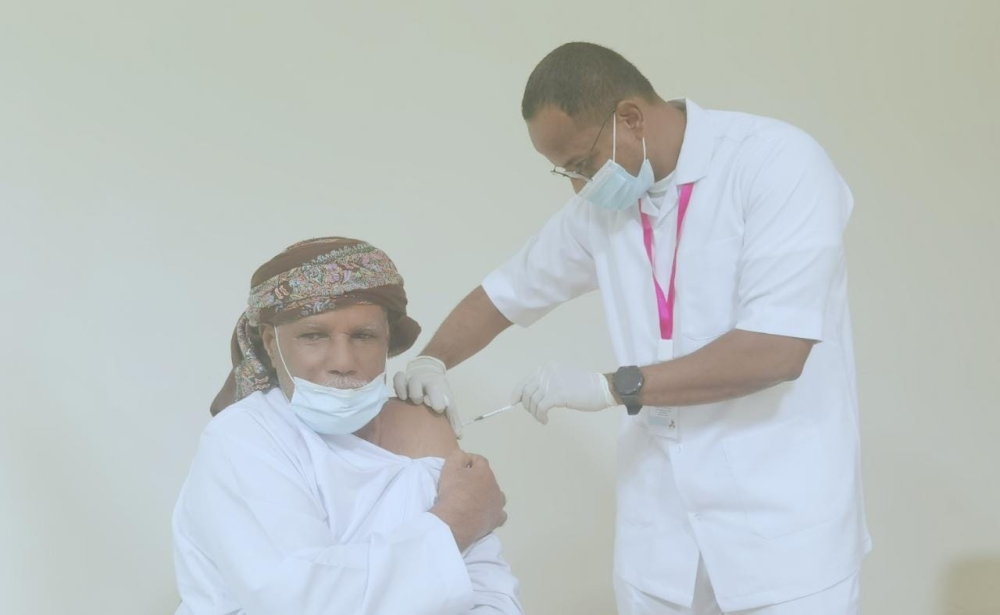
The Covid-19 pandemic has sharply accelerated the use of digital technologies in the health sector. For many who could no longer obtain in-person care, access to virtual health services became a matter of life and death.
This revolution will not end when the pandemic does. But without thoughtful stewardship, a digital divide could exacerbate health inequities. Above all, guiding the future of virtual health so that no one is left behind requires us to learn from the past 18 months and ask the right questions. From its earliest months, the pandemic triggered a massive shift to virtual health services. In France, the number of telehealth consultations increased from 40,000 to 4.5 million between February and April 2020. In India, online health consultations among people over 50 increased by 502 per cent last year. Global investment in digital health doubled year on year in 2020, to $21.6 billion. And non-governmental and intergovernmental organisations — from the Broadband Commission for Sustainable Development to the World Health Organization — deepened their focus on the issue.
The surge in virtual health services during the pandemic has entailed many policy changes and new ways of doing business. Some of these were beneficial and will serve as a foundation for further progress. But the rapidity of the changes has often meant haphazard execution and uneven results.
It is still too early to settle on a definitive post-pandemic vision for virtual health services, and how each country approaches it must of course be tailored to local contexts. But we can begin to identify the right questions to ask in shaping this fast-growing global sector’s future.
First, what is the true value that these services can provide? If we regard virtual health as merely a sector-specific example of emerging technology, it may generate efficiencies and even improve outcomes, but it will not realise its full potential.
In many settings, technologies that are already part of people’s everyday lives can empower patients. Virtual services can help people re-centre their health in personalised, familiar and convenient ways. Whereas going to a health facility can sometimes be a cold, intimidating experience or even logistically impossible, virtual services allow people to engage on their own terms, on comfortable ground. Especially in low- and middle-income countries, expanding telemedicine can help to compensate for lack of physical infrastructure while providing an additional way to connect remote populations with national health systems.
Second, how can virtual care promote equity? The WHO recently identified health equity as one of the four guiding principles of its Global Strategy on Digital Health, calling for investment in infrastructure, education, and resources to help low- and middle-income countries adopt new digital health technologies. And in June 2021, G7 health ministers stressed that virtual healthcare services must be “inclusive, comprehensive and equitable.”
Even within high-income countries, marginalised communities have often borne the brunt of the Covid-19 pandemic, compounding historical and inherited inequities. Fully realising the promise of virtual healthcare means leveraging digital connectivity to reach those previously excluded.
Third, which approaches to virtual health services have shown the most promise? Countries with flexible regulatory regimes have had the best results during the pandemic. One key policy change that some countries quickly adopted was to remove the requirement that new patients have an in-person consultation before receiving virtual care.
Copy right: Project Syndicate 2021
Oman Observer is now on the WhatsApp channel. Click here